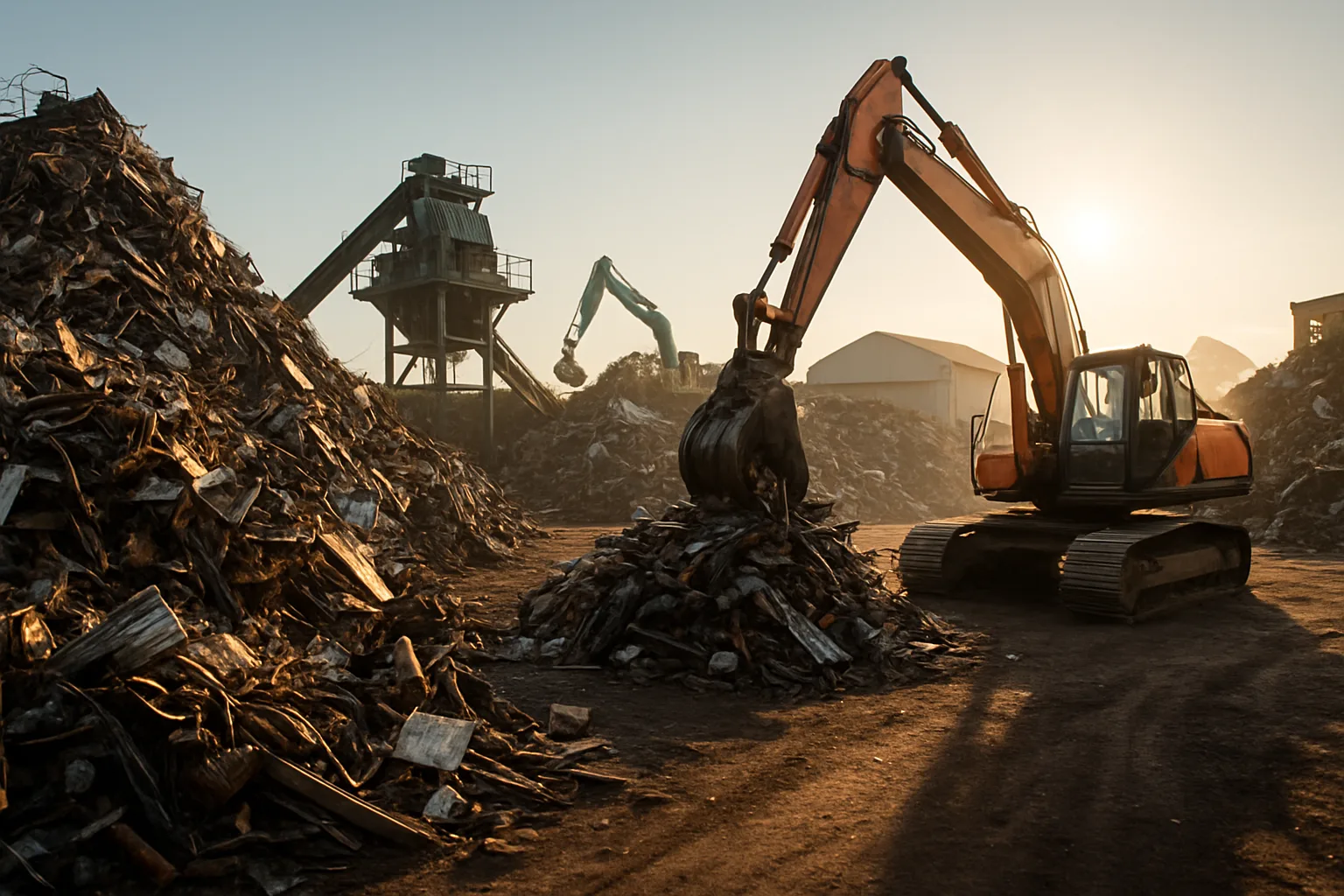
Why Winnipeg Winters Can Actually Work in Your Favour When You Sell Scrap Car Winnipeg
Most people assume spring is the best time to sell anything — including a junk car. But if you're sitting on a dead vehicle in Winnipeg, the timing of your sale matters more than you think, and the reasoning might surprise you. Scrap metal markets shift with the seasons, scrapyard demand fluctuates with temperature, and the condition of your vehicle changes every time the thermometer swings 40 degrees. Understanding those cycles can put more money in your pocket.
This guide breaks down exactly how weather and season affect what you get when you sell scrap car Winnipeg — and how to position yourself to come out ahead no matter what month it is.
How Metal Markets Move With the Seasons
Scrap metal isn't priced in a vacuum. Steel, aluminum, copper, and catalytic converter metals like platinum, palladium, and rhodium all respond to global demand — and that demand has seasonal patterns. Construction activity ramps up in spring and summer across North America, pulling steel demand higher. Automotive manufacturing runs on production cycles tied to model years. Even energy costs affect smelting operations, which trickle down to what your local buyer will pay.
In practical terms, ferrous scrap (the heavy steel frame, the engine block, the axles) tends to see steadier pricing year-round, but non-ferrous metals like aluminum and copper can swing significantly between quarters. If your junk car has a lot of aluminum — think late-model vehicles with aluminum-intensive frames or engine components — keeping an eye on the non-ferrous market before you call a buyer can matter.
The key takeaway: prices fluctuate constantly. Before you accept any offer, check current rates. SMASH Recycling — where verified buyers bid on your metal — gives you competitive market exposure instead of a single take-it-or-leave-it quote.
What Winnipeg's Extreme Climate Does to a Junk Car's Value
Manitoba winters are not gentle. Winnipeg regularly records some of the coldest temperatures of any major city in North America, and that kind of cold does specific, measurable damage to vehicles. Understanding what happens to your car over a Winnipeg winter helps you decide when to act — and what to tell buyers.
Here's what extended cold and road salt exposure does to a junk car's scrap value:
- Rust acceleration: Road salt and freeze-thaw cycles eat through body panels, frame rails, and floor pans faster than in milder climates. Heavy rust lowers the recoverable weight of sellable metal and can make a vehicle harder to move without specialized equipment.
- Fluid migration: Oils thicken and seals crack in extreme cold. A car that sat through two or three Winnipeg winters without being started likely has compromised gaskets, cracked hoses, and degraded rubber throughout.
- Battery and electrical failure: Cold kills batteries fast. A dead battery on a junk car is irrelevant to scrap value, but it's a reminder of how quickly Winnipeg's winters age a vehicle.
- Catalytic converter integrity: The substrate inside a catalytic converter can crack under extreme thermal cycling — very cold starts followed by hot operation. A cracked cat is worth significantly less at auction than an intact one.
- Tire and wheel condition: Tires crack in sustained cold. Alloy wheels corrode from salt. These parts have secondary market value, and condition affects what buyers will pay.
The longer your car sits through another Winnipeg winter, the more value it loses to corrosion and deterioration. That's not a scare tactic — it's physics. Acting sooner rather than later often protects your return.
The Best and Worst Times of Year to Sell a Scrap Car in Winnipeg
Timing your sale doesn't require a PhD in commodities trading. It requires knowing a few patterns specific to this market and this city.
Spring (March–May): High Demand, High Competition
Spring is the peak season for scrap car transactions across Canada. Buyers are active, towing becomes easier as roads clear, and vehicle owners who stored problem cars all winter finally call. Demand is high, but so is supply — meaning buyers have options. You want multiple buyers competing for your vehicle, not one buyer who knows they're your only call. That's where free scrap car pickup across Canada from GetMyScrapCar gives you a real advantage — the process is simple, fast, and puts competition back in your corner.
Summer (June–August): Steady Market, Good Conditions
Summer is a solid time to sell. Roads are clear, towing is straightforward, and buyers are running at full capacity. Metal markets are often supported by construction demand. If your car has been sitting on grass or gravel all summer, check for additional corrosion before your buyer comes — a wet summer accelerates rust from the undercarriage up.
Fall (September–October): Move Before the Ground Freezes
This is an underrated window. Demand is still active, and smart sellers move their vehicles before the ground freezes and towing becomes complicated. A car frozen into a driveway in November is harder and more expensive to move than one sitting on dry pavement in October. If you've been putting off the call, fall is your signal to act.
Winter (November–February): Lower Volume, but Buyers Still Need Inventory
Winter slows the market but doesn't stop it. Buyers still need inventory, and some will pay competitively to secure loads during slow periods. The challenge is logistics — frozen ground, snow-packed driveways, and cold-weather towing all add complexity. If your car is accessible and in a reasonable condition for pickup, don't assume winter kills your options. Get a quote. You might be surprised.
Catalytic Converters, Auctions, and Why the Old Way Costs You Money
Your junk car's catalytic converter is often the most valuable single component on the vehicle. The precious metals inside — platinum, palladium, rhodium — trade on global commodity markets and can make up a disproportionate share of your total scrap payout. But most sellers have no idea what their cat is worth, and most single buyers aren't going to volunteer that information.
The old way: one call, one buyer, one number. That buyer knows exactly what your cat is worth. You don't. That information gap costs you money every time.
The better way: a catalytic converter auction format where verified buyers compete. When multiple buyers bid on your material, the market sets the price — not a single buyer's margin. Platforms built around competitive bidding, like SMASH, exist precisely to close that information gap.
When you sell scrap car in Manitoba, the catalytic converter on your vehicle doesn't just go to your local yard. It enters a secondary market where processors, refiners, and buyers across North America are actively competing for supply. Getting access to that competition — rather than settling for what one buyer volunteers — is the difference between leaving money on the table and capturing the actual market rate.
Schedule your free scrap car removal and make sure your cat is part of the conversation, not an afterthought.
What to Do Right Now If You Have a Junk Car in Winnipeg
Whether it's June or January, there are practical steps you can take to protect your vehicle's value and make the sale smoother.
- Document the vehicle. Take photos of the exterior, interior, engine bay, and undercarriage. Note the VIN. Buyers who can see a well-documented vehicle upfront bid more confidently — and that confidence shows in the offer.
- Locate your title or registration. Having paperwork in order speeds up the transaction significantly. If you don't have a title, ask about cash for junk cars no title options — some buyers will work with you, but be upfront about it from the start.
- Note the catalytic converter. If your car still has its original cat, that's a selling point. If it's been stolen (a growing issue in Winnipeg), disclose that — it affects the offer and avoids surprises at pickup.
- Clear the car of personal items. Check the glove box, under seats, and the trunk. You'd be surprised what people leave behind.
- Get multiple quotes. This is non-negotiable. One call, one quote is the old way. SMASH brings buyer competition to you instead of forcing you to make ten phone calls.
- Consider timing relative to condition. If your car has been sitting since fall and hasn't been through another winter yet, now is the time. Every month of inactivity costs you something.
For more tactical advice on selling a junk vehicle in Canada, read more junk car removal guides — practical, no-fluff resources written for Canadian vehicle owners.
Getting the Most From Your Winnipeg Scrap Car Sale
Winnipeg's climate is hard on vehicles. That's just the reality of living where temperatures can swing from -35°C to +35°C in the same calendar year. But that same climate creates urgency — every season you wait is another season of corrosion, another freeze-thaw cycle on that catalytic converter substrate, another round of salt damage on the frame.
The sellers who do best aren't the ones who wait for a perfect market. They're the ones who stop leaving money on the table by accepting a single buyer's first number. They document their vehicle, they understand what the cat is worth, and they use platforms that put competitive pressure on buyers instead of the other way around.
If you're ready to move your junk vehicle, Winnipeg scrap metal services are available now — and getting a free quote costs you nothing. Whether it's a 2009 pickup truck with a seized engine or a 2015 sedan that got written off in a rear-end collision, the process is simpler than most people expect. Get a free quote for your scrap car and schedule your free scrap car removal today at getmyscrapcar.ca.
Disclaimer: Scrap metal prices fluctuate based on commodity markets, vehicle condition, and regional demand. Always check current rates before accepting an offer.
Frequently Asked Questions
Q: Does the season actually affect how much I get when I sell my scrap car in Winnipeg?
Yes, in several ways. Metal commodity markets move seasonally, and Winnipeg's winters add physical deterioration — rust, cracked catalytic converter substrates, and corrosion — that reduces recoverable value over time. Spring and fall tend to be the most active windows for buyers, but competitive quotes are available year-round.
Q: How do I find free scrap car pickup in Winnipeg?
GetMyScrapCar offers free scrap car pickup Winnipeg — no towing fees, no hidden charges. Book online or by phone, confirm your pickup window, and have your vehicle ready at the curb or in your driveway. The process typically takes 24–48 hours from quote to pickup depending on location and availability.
Q: Can I sell my scrap car in Manitoba without a title?
Some buyers will work with you on cash for junk cars no title situations, but requirements vary. Having your registration, valid ID, and proof of ownership documentation helps significantly. Be upfront about missing paperwork when you request a quote — it avoids delays at pickup and ensures accurate offers.
Q: What happens to my catalytic converter when I scrap my car?
The catalytic converter is typically one of the most valuable components on a junk vehicle due to the platinum-group metals inside. Reputable buyers like those on the SMASH platform handle cats through a vetted auction process where multiple buyers bid — ensuring the market, not a single buyer's margin, sets the price. If your cat has been stolen prior to sale, disclose that upfront.
Q: How long does it take to sell a junk car in Winnipeg?
From first contact to pickup, the process typically takes one to three business days for most Winnipeg locations. Having your vehicle documented (photos, VIN, basic condition notes) and paperwork ready speeds things up considerably. If you're in an accessible location with a clear driveway, same-day or next-day pickup may be available.
Stay current on scrap metal market trends and industry news — follow SMASH on LinkedIn for regular updates on metal prices, auction insights, and recycling industry developments across North America.