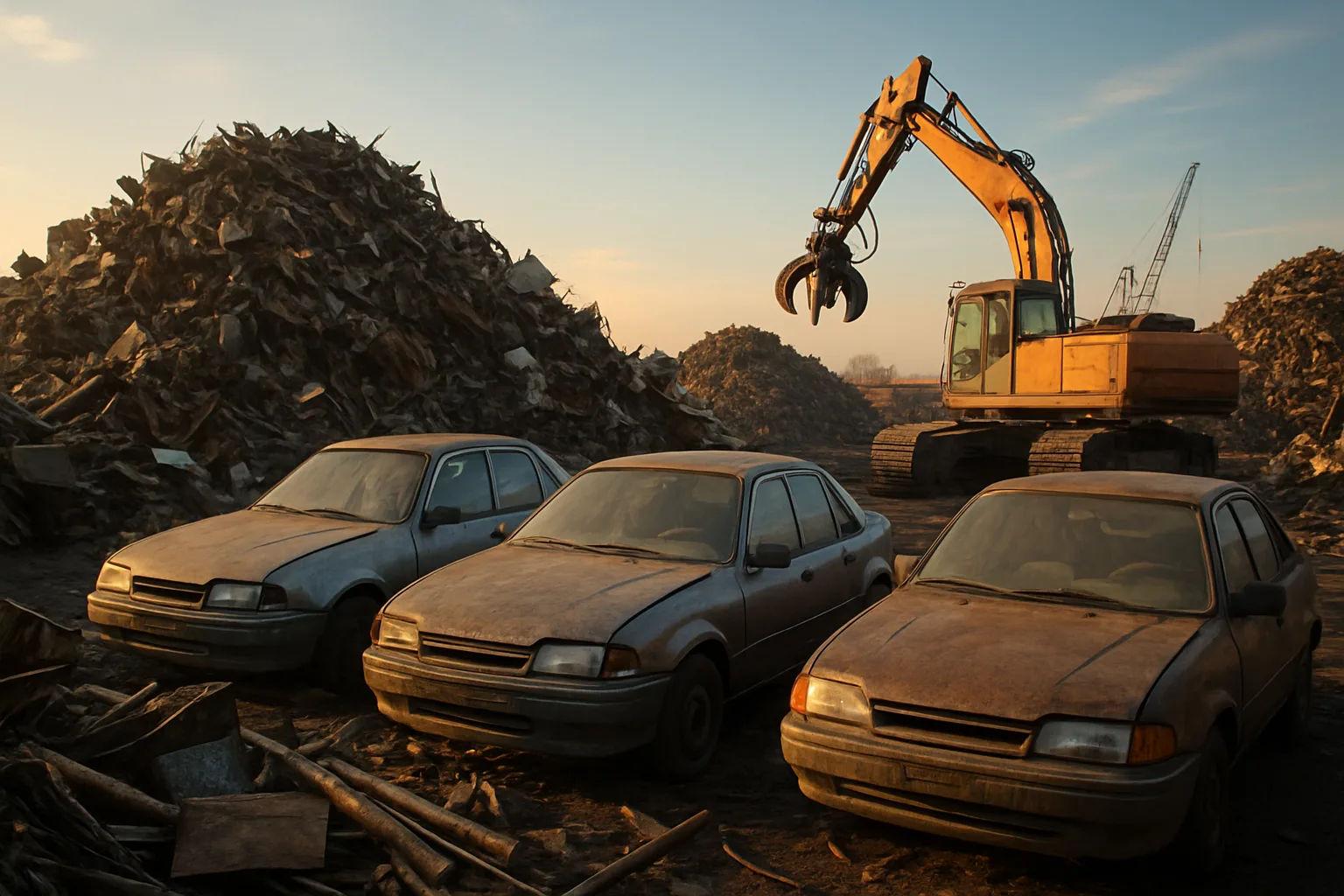
Most people assume scrapping a car means it gets crushed and melted down. End of story. The reality is a lot more involved — and a lot more environmentally important than most vehicle owners realize. In Canada, responsible end-of-life vehicle (ELV) processing follows a strict sequence designed to recover value and prevent toxic materials from entering the environment. If you're looking to sell my junk car St. John's, understanding that process helps you make a smarter, more confident decision about who handles your vehicle.
Roughly 1.6 million vehicles reach end-of-life in Canada every year. Each one carries fluids, metals, and components that need proper handling. Done right, vehicle recycling keeps hazardous materials out of landfills, recovers usable parts, and feeds raw metal back into manufacturing. Done wrong, it's an environmental mess. Here's what the right process actually looks like — and how to make sure your car goes through it.
---Why Eco-Friendly Car Disposal Matters in Newfoundland and Labrador
Geography shapes the stakes here. Newfoundland and Labrador sits on some of the most ecologically sensitive terrain in North America. Coastal ecosystems, boreal forest, and freshwater systems are all within reach of improper disposal. A single end-of-life vehicle contains up to nine litres of engine oil, several litres of coolant, brake fluid, power steering fluid, transmission fluid, and refrigerant. None of those belong in the ground or in a storm drain.
Provincial environmental regulations require licensed auto recyclers to follow depollution protocols before any vehicle is crushed or shredded. That means every recoverable fluid gets drained and properly disposed of or recycled. Battery acid, airbag propellant, and mercury switches (found in older models) must also be handled according to hazardous waste guidelines. When you sell my junk car St. John's through a reputable service, you're not just getting rid of an eyesore — you're ensuring those materials don't end up where they shouldn't.
- Engine oil: Collected and re-refined or used as industrial fuel
- Coolant/antifreeze: Drained, processed, and often recycled
- Refrigerant (A/C systems): Captured with certified equipment to prevent ozone damage
- Lead-acid batteries: Sent to licensed battery recyclers — lead recovery rates exceed 95%
- Airbags: Deployed safely before shredding or sent to specialized processors
- Mercury switches: Targeted for removal under the Switch Out program, which operates across Canada
Skipping any of these steps isn't just irresponsible — it's illegal. Always confirm your chosen service is licensed and follows depollution protocols before your vehicle leaves the driveway.
---The Step-by-Step Vehicle Recycling Process
Once your car arrives at a licensed facility, it moves through a defined process. This isn't one big crusher. It's a systematic teardown designed to extract maximum value and minimize waste.
- Vehicle intake and documentation: VIN is recorded, ownership is verified, and the vehicle condition is assessed. Platforms like Canada's B2B scrap recycling marketplace use VIN lookup and serial tracking to ensure every vehicle and its components are properly documented from the start.
- Depollution: All fluids are drained. Hazardous components are removed. This step must happen before any mechanical dismantling.
- Parts harvesting: Usable components — engines, transmissions, doors, glass, electronics, and more — are pulled for resale. A well-maintained used part extends a vehicle's life cycle without any new manufacturing footprint.
- Catalytic converter removal: Cats are high-value components containing platinum, palladium, and rhodium. They're removed separately and sent to refiners. The catalytic converter auction market plays a major role here — rather than selling a cat to the first buyer who calls, auction-based platforms expose the component to multiple vetted buyers and let the market set the price.
- Hulk preparation: Once stripped, the remaining shell — the hulk — is compressed and prepared for the shredder.
- Shredding and metal separation: Industrial shredders reduce the hulk to fist-sized pieces. Magnetic separators pull out ferrous metals. Eddy current separators capture aluminum and other non-ferrous materials. What remains — shredder residue or "fluff" — is landfilled, though research into recovering value from fluff continues.
- Metal sale: Recovered ferrous and non-ferrous scrap goes to mills and foundries. Some loads are sold domestically; others are exported. Either way, recovered steel and aluminum re-enter the manufacturing chain.
A modern end-of-life vehicle has a recycling rate of approximately 80% by weight. That number continues to improve as processors invest in better separation technology and expand the parts resale market.
---What Your Junk Car Is Actually Worth: Catalytic Converters and Scrap Metal
Here's where things get interesting for sellers. The value in your vehicle isn't just the bulk steel weight. A typical passenger car carries 900 to 1,400 kilograms of ferrous metal. That's meaningful scrap value. But the components — especially the catalytic converter — can represent significant additional value on top of the steel.
Catalytic converter values shift constantly based on the spot prices of platinum group metals (PGMs). A cat from a domestic sedan can be worth meaningfully more than one from a diesel truck, simply due to differences in precious metal loading. The problem most sellers face? They have no idea what their cat is worth, and they accept whatever the first buyer offers. That's where competitive pricing discovery matters. Services connected to platforms like Canada's B2B scrap recycling marketplace use catalytic converter auction formats to ensure multiple vetted buyers compete — which is better price discovery than a single phone call.
For the vehicle owner looking to sell scrap car in Newfoundland and Labrador, this matters even if you're not the one selling the cat directly. Buyers who operate transparently and auction their recovered components tend to offer better upfront prices because they're confident in what they'll recover downstream. Opacity at the back end means lower offers at the front.
Disclaimer: Scrap metal and PGM prices fluctuate daily based on commodity markets. Always check current rates before accepting a quote. Prices referenced in this article reflect general market conditions in 2026 and may not reflect rates at the time of your transaction.
---How to Sell My Junk Car in St. John's the Right Way
You don't need a title to move most junk vehicles in Canada, but you do need proof of ownership. Requirements vary by province, so it's worth confirming what's acceptable before you book a pickup. Most reputable services will walk you through what you need. In Newfoundland and Labrador, you'll typically want your registration or other documentation showing you own the vehicle.
The process through free scrap car pickup across Canada from GetMyScrapCar is straightforward. You provide basic details about the vehicle — year, make, model, condition, location — and get a quote. If you accept, free towing is arranged and you hand over the keys. No subscription, no hidden fees, no chasing down payment. For anyone in St. John's dealing with a vehicle that hasn't moved since last winter, that simplicity is worth a lot.
A few things to do before your vehicle is picked up:
- Remove all personal belongings — check under seats, in the trunk, and in door pockets
- Cancel your insurance and return plates to Service NL
- Gather your paperwork — registration, any available title or ownership documents
- Take photos of the vehicle if you want a record of its condition at time of transfer
- Note if there's any remaining fuel in the tank — some services factor this in
The whole process typically moves quickly. Same-day or next-day pickup is common depending on location and schedule availability. You don't need to be in the vehicle business to make this work — schedule your free scrap car removal and the logistics are handled for you.
---Competitive Scrap Markets and Why They Benefit Sellers
The old model of scrap car selling was one phone call, one number, take it or leave it. You had no way to know if that offer was fair, low, or completely disconnected from market reality. Most sellers just accepted it because they didn't want to spend three days calling around.
The shift toward competitive, transparent markets changes that dynamic. When scrap buyers have to bid against each other — whether for a full vehicle, a load of non-ferrous material, or a batch of catalytic converters — the seller gets better price discovery. It doesn't guarantee the highest price in every case, but it removes the information gap that consistently worked against sellers.
SMASH is built on exactly that principle. As a B2B platform connecting scrap yards and buyers across North America, SMASH runs vetted auction processes for everything from full loads to individual cores. The network effect matters: more qualified buyers means the market, not one person's offer, sets the price. For yards processing vehicles from St. John's and across the region, tools like inventory documentation, photo uploads, and auto-invoicing remove friction and create confidence on both sides of the transaction.
If you operate a yard or buy scrap professionally, platforms like SMASH represent the shift away from guessing and toward data. For vehicle owners, working with services connected to that kind of transparent downstream market means better outcomes at the point of sale. For more context on how the broader recycling market works, read more junk car removal guides on the GetMyScrapCar blog.
---Frequently Asked Questions
Q: Can I sell my junk car in St. John's if I don't have the title?
Most Canadian provinces, including Newfoundland and Labrador, accept alternative proof of ownership like a valid registration or bill of sale. Check with your chosen service before booking, since documentation requirements can vary. Reputable buyers will be upfront about what they need from you.
Q: How long does free junk car removal take in St. John's?
Pickup timelines depend on your location and the provider's schedule, but same-day or next-day removal is common in many areas. Booking early in the week typically gives more flexibility. You'll get a confirmed window once your quote is accepted.
Q: What affects the value when I sell scrap car in Newfoundland and Labrador?
The year, make, model, weight, and condition of the vehicle all factor in. The presence of intact components — especially the catalytic converter — can meaningfully affect the offer. Scrap metal commodity prices also shift the baseline value, which is why prices vary over time.
Q: Is eco-friendly car disposal more expensive or complicated?
No. Choosing a licensed, compliant recycler doesn't cost you more as a seller — it's simply the responsible standard. In fact, reputable services offering free towing and proper depollution are widely available. The extra steps happen at the facility, not on your end.
Q: What happens to my car's catalytic converter when I scrap it?
The cat is removed during depollution and parts harvesting, then sold separately to refiners who recover the platinum group metals inside. Competitive platforms use a catalytic converter auction format to maximize value recovery. That downstream value is part of what supports fair upfront offers to sellers.
---If your vehicle is sitting unused in St. John's — rusting, uninsured, taking up space — the right move is straightforward. Get a quote, confirm free towing, and let a licensed recycler handle the rest responsibly. GetMyScrapCar makes it easy to schedule your free scrap car removal with no subscription fees and no runaround. The vehicle gets processed properly, you get paid, and one more end-of-life car stays out of a ditch.
Stay current on scrap metal markets and industry trends by following SMASH on LinkedIn — practical updates for anyone in the recycling business across North America.