From Assembly Line to Scrap Yard: The Full Lifecycle of a Car
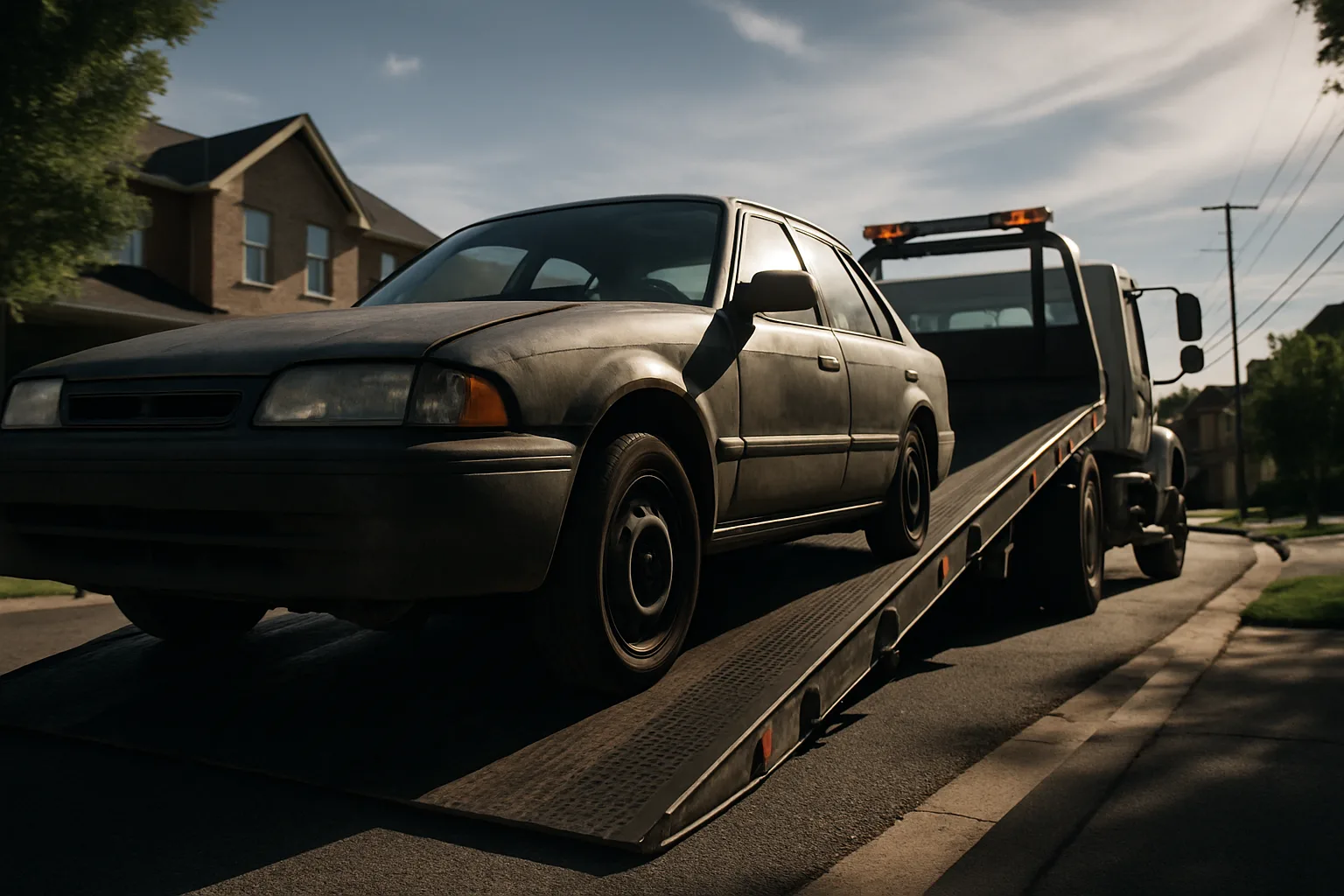
Most vehicles on Canadian roads today will end their lives in a scrap yard. That's not a grim prediction — it's just math. The average car lasts around 12 to 15 years before the cost of repairs outpaces its value. If you're sitting on an old beater in Gatineau and wondering whether it's time to sell my junk car Gatineau-style and move on, understanding the full lifecycle of a vehicle puts that decision in clear perspective.
Every car starts as raw materials and ends as raw materials. The process in between — manufacturing, ownership, wear, and eventual recycling — is one of the most efficient closed-loop systems in modern industry. And knowing where your car sits in that loop helps you understand exactly what it's worth, and who wants it.
Stage One: Raw Materials and the Factory Floor
A typical passenger vehicle contains roughly 2,400 pounds of steel, along with aluminum, copper wiring, rubber, glass, plastic, and fluids. Before a single door panel gets stamped, steelmakers are smelting ore, aluminum producers are casting billets, and petrochemical plants are running nonstop to produce the plastics and lubricants that fill every modern cabin.
Assembly plants across North America pull these materials together in a choreographed sequence. Robots weld steel frames. Workers fit wiring harnesses, dashboards, and catalytic converters. A new vehicle rolls off the line in roughly 18 to 35 hours of assembly time, depending on complexity. That's thousands of components — all of which eventually need somewhere to go.
- Steel and iron make up the majority of vehicle weight
- Aluminum is increasingly used in hoods, wheels, and engine blocks
- Copper runs through every electrical system and harness
- Platinum-group metals (platinum, palladium, rhodium) are packed into catalytic converters
- Rubber, glass, and plastics round out the remaining volume
Understanding this composition matters when it comes time to scrap. Not all parts carry equal value, and a smart recycler — or a smart seller — knows where the money sits in a worn-out vehicle.
Stage Two: Active Life on the Road — and the Slow Decline
After purchase, a vehicle enters its working life. For the first few years, depreciation hits hardest — a new car can lose 20% of its value in the first year alone. By year five or six, depreciation slows, but wear begins to catch up. Brakes, belts, gaskets, tires, and suspension components all have finite lifespans. Most owners replace them as they go.
The trouble starts when the repair bills start stacking up faster than the vehicle gains in usefulness. In Quebec, road salt accelerates rust on steel frames and undercarriages — a reality that Gatineau drivers know well after navigating icy winters for a decade. A car that runs fine mechanically might become structurally compromised before the engine ever gives out.
Common end-of-life triggers for vehicles include:
- Transmission failure (repair costs often exceed vehicle value)
- Engine seizure or cracked block
- Severe rust on the frame or unibody
- Failed safety inspection with no affordable path to compliance
- Collision damage that insurers write off
- Expired registration with no plan to renew
At any of these points, the smart financial move is to stop pouring money into a sinking asset and extract whatever value remains through scrapping or auction. That's where services like GetMyScrapCar step in — and where platforms like SMASH help sellers find the best price for their scrap in Canada through competitive buyer auctions rather than single lowball offers.
Stage Three: End-of-Life Vehicles — What Actually Gets Recycled
When a vehicle arrives at an auto recycler, it doesn't just get crushed and forgotten. The recycling process is methodical, and most of the car's original materials get recovered and re-enter manufacturing supply chains. Here's how it typically breaks down:
Fluid Draining and Depollution
Before anything else, certified recyclers drain all fluids — engine oil, coolant, transmission fluid, brake fluid, and refrigerant. This is regulated under provincial environmental guidelines across Quebec and the rest of Canada. Improper fluid disposal is an environmental liability, which is why choosing a licensed auto recycler matters.
High-Value Parts Removal
Usable parts get pulled before the hull goes to the shredder. Engines, transmissions, alternators, starters, and electronics all have resale value in the used parts market. One of the highest-value components in any modern vehicle is the catalytic converter — a small canister packed with platinum, palladium, and rhodium. These metals fluctuate significantly in price, and a catalytic converter auction through a platform like SMASH can reveal dramatically better pricing than selling to a single buyer at spot price.
Steel and Non-Ferrous Metal Recovery
The remaining hull gets sent to an industrial shredder, which reduces it to fist-sized chunks in seconds. Powerful magnets separate ferrous steel from non-ferrous materials like aluminum and copper. The steel gets baled and shipped to mini-mills or integrated steel plants, where it's melted and recast into new products. The recycled steel from your old car could end up in a new appliance, a construction beam, or another vehicle frame within months.
Automotive Shredder Residue (ASR)
What's left after metal extraction — foam, rubber, glass, and plastics — is called shredder residue. This material has historically gone to landfill, but recyclers across North America are increasingly finding ways to process and divert it. It's the one part of the vehicle lifecycle that still has room to improve.
What Your Scrap Car Is Actually Worth in 2026
Here's the honest answer: it depends on several variables, and anyone quoting you a fixed number without knowing your vehicle is guessing. Weight, metal composition, condition, current scrap metal prices, and proximity to recycling facilities all factor in.
What we can say is that scrap metal prices in 2026 remain tied to global commodity markets — demand from steel mills, manufacturing activity, and export flows all push prices up or down. The best way to know what your car is worth on a given day is to get it in front of multiple buyers, not just one.
That's the fundamental problem with the traditional scrap car transaction: you call one yard, they give you a number, you either take it or spend two hours calling around. Most people take it. Most people leave money on the table.
If you want to sell scrap car in Quebec and actually know you got fair value, the answer is competition. When multiple vetted buyers bid on your vehicle — whether it's a complete car, a load of cats, or a mixed non-ferrous run — the market tells you what it's worth. That's what SMASH is built to do.
For straightforward, hassle-free junk car pickup across Canada, you can schedule your free scrap car removal without needing to negotiate or provide a title in every situation — more on that below.
Selling a Junk Car in Gatineau: The Practical Reality
Gatineau sits right across the river from Ottawa, which means residents have access to a competitive recycling market on both sides of the provincial border. That's an advantage — more buyers in the region generally means better price discovery. But it also means more noise to sort through when you're trying to sell my car fast Gatineau without getting lowballed.
Here are the practical steps most Gatineau sellers go through:
- Assess the vehicle. Does it run? Is it complete or stripped? Where is it located — driveway, garage, roadside?
- Gather documents. In Quebec, having your vehicle registration helps but is not always mandatory for scrap sales. Check with your recycler or pickup service about what's needed in your specific situation.
- Get a quote. Don't accept the first number. Use a service that connects you to multiple buyers.
- Schedule pickup. Reputable services offer free towing — you should never pay to have a scrap car removed. If someone's asking you to cover transport, walk away.
- Get paid. Cash or e-transfer on pickup is standard. Get it before the car leaves your property.
For anyone dealing with a vehicle that has incomplete paperwork — a common situation with inherited vehicles or long-dormant cars — some buyers will work with you on cash for cars no title no registration situations. Requirements vary by province and by buyer, so always confirm before assuming.
If you want a deeper dive into the removal process, read more junk car removal guides on the GetMyScrapCar blog — there's practical advice on everything from preparing your car for pickup to understanding what recyclers actually look for.
When you're ready to stop second-guessing and just get it done, free scrap car pickup across Canada from GetMyScrapCar makes the process straightforward — no runaround, no hidden fees.
Why the End of Your Car's Life Is a Beginning for Someone Else
The scrap yard isn't a dead end. It's a handoff. The steel in your 2009 Civic becomes rebar in a new building. The copper wiring gets redrawn into electrical cable. The aluminum from your engine block gets recast into new components. Even the platinum from your catalytic converter re-enters the supply chain for the next generation of emissions systems.
Automotive recycling is one of the most material-efficient industries in North America. Roughly 80% of a vehicle's material is recovered and recycled through current processes. That number continues to improve as recyclers adopt better sorting technology and as manufacturers design vehicles with end-of-life recovery in mind.
If your car has reached the end of its useful life, scrapping it responsibly isn't just a financial decision — it's the environmentally correct one. Letting it sit and rust in a driveway in Gatineau or anywhere else in Quebec serves no one. The materials inside have value, and the industry is ready to recover them.
Get a free quote for your scrap car and let GetMyScrapCar handle the rest — schedule your free scrap car removal today and put your old vehicle back into the loop where it belongs.
Disclaimer: Scrap metal and vehicle prices fluctuate based on commodity markets and regional demand. Always confirm current rates with your buyer before finalizing any transaction.
Frequently Asked Questions
Q: How do I sell my junk car in Gatineau if I don't have the title?
In Quebec, vehicle registration documentation is typically used in place of a title for scrap transactions. Some buyers will work with you on incomplete paperwork situations, particularly for older vehicles. Confirm the requirements directly with your recycler or pickup service before scheduling removal — requirements can vary depending on the buyer and the vehicle's history.
Q: Is free towing actually free when I sell my scrap car in Gatineau?
Yes — reputable junk car removal services in Gatineau and across Canada include towing at no cost to the seller. The value of your vehicle covers the logistics. If a company is quoting you a towing fee before purchasing your car, that's a red flag worth walking away from.
Q: How long does it take to sell my car fast in Gatineau?
With a service like GetMyScrapCar, the process can move quickly — often within 24 to 48 hours from quote to pickup. You don't need to spend a week calling around. Get your quote, confirm the pickup window, hand over the keys, and get paid on the spot.
Q: What happens to my catalytic converter when I scrap my car?
Catalytic converters are among the most valuable components in a scrap vehicle due to the platinum-group metals inside them. Recyclers typically remove and process them separately from the steel hull. If you're scrapping a vehicle with a working cat, make sure the buyer is accounting for its value in your quote — platforms built around a catalytic converter auction model can help ensure you're not underselling it.
Q: Can I sell a scrap car in Quebec if it has no registration and hasn't been driven in years?
Generally, yes. Non-operational and unregistered vehicles are routinely purchased by auto recyclers across Quebec. You'll want to confirm specific documentation expectations with your buyer, but the lack of current registration alone is rarely a dealbreaker for scrap transactions. The physical condition and weight of the vehicle are what drive the price, not its road status.
Follow SMASH on LinkedIn for scrap metal market insights, industry news, and updates on how competitive auctions are changing the way North American recyclers buy and sell.