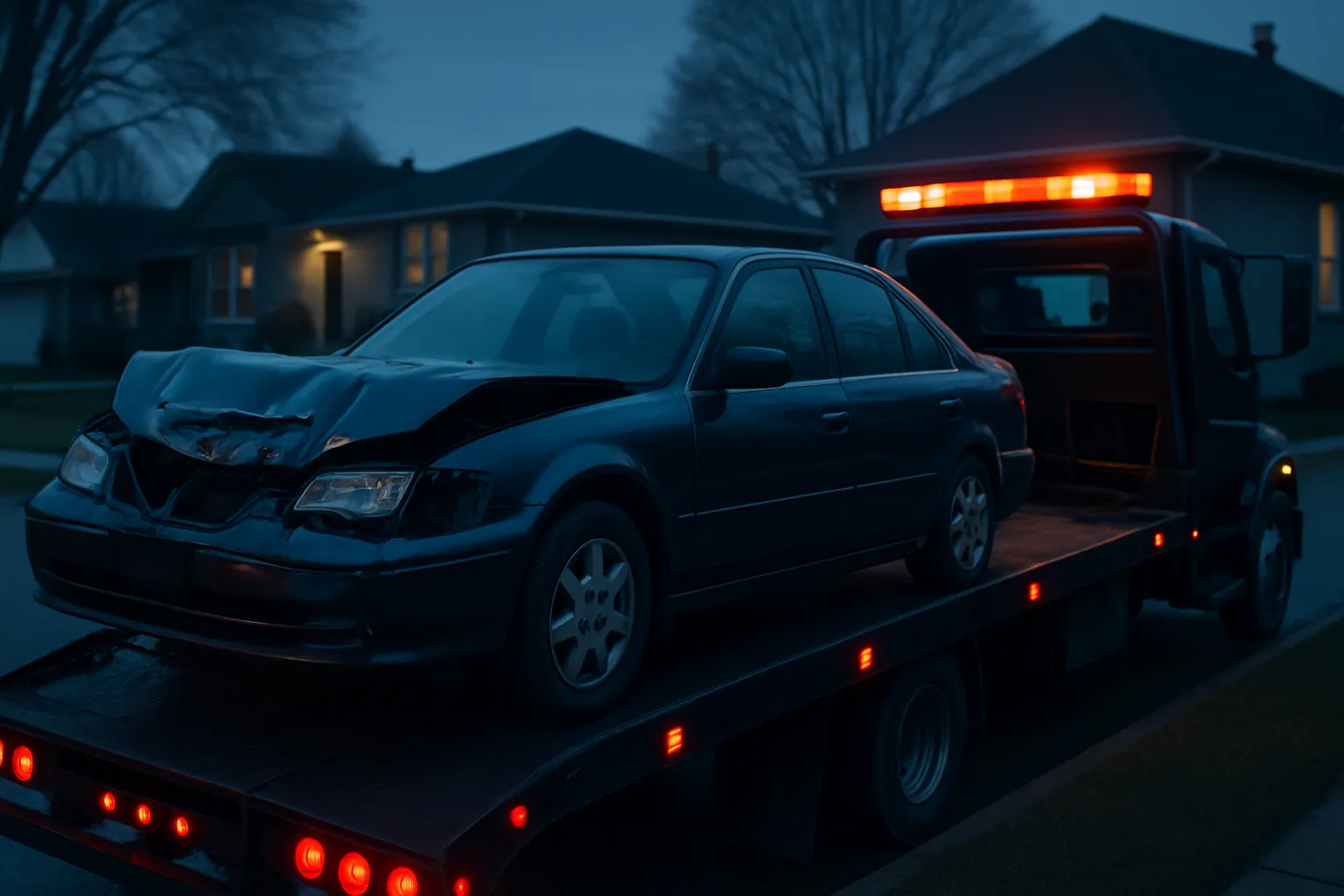
Your car got totalled. Now it's sitting in your driveway, taking up space, and you're not sure what to do with it. Here's the thing — a wrecked vehicle still has real value, and knowing how to move it the right way puts money in your pocket instead of stress on your plate.
Whether the damage came from a rear-end collision, a rollover, or a winter fender-bender on the 40, the scrap process for an accident vehicle is a bit different from scrapping a car that just died of old age. There are paperwork considerations, structural damage to account for, and decisions about parts versus full scrap value. This guide walks you through all of it — step by step.
If you're in Montreal or anywhere across Quebec, companies that we buy junk cars Montreal owners rely on can take a wrecked car off your hands quickly, often with same-day pickup and zero towing fees.
---What Happens to an Accident Car After You Scrap It?
Before you start making calls, it helps to understand where your car actually goes. A wrecked vehicle doesn't just get crushed. It goes through a dismantling process first — usable parts get pulled, fluids get drained and recycled, and the remaining shell gets crushed and baled into ferrous scrap metal.
For a typical mid-size sedan or SUV, the steel alone can weigh anywhere from 800 to 1,200 kilograms. That steel gets sold to scrap yards and eventually re-enters the manufacturing supply chain. Nothing is wasted. Even the catalytic converter, battery, aluminum wheels, and copper wiring have separate recoverable value.
This is why accident vehicles are still worth scrapping — the mechanical damage doesn't eliminate the raw material value underneath. A car that runs on four wheels and a car that hasn't started since a collision can generate similar scrap payouts, depending on weight, metal content, and current market prices.
Step One: Get Your Paperwork in Order Before Scrap Car Removal Montreal
This is the step most people skip — and it causes headaches. Before anyone picks up your vehicle, you need to have the right documents ready. Quebec has specific requirements for transferring ownership of a vehicle being scrapped, and accident vehicles can add a layer of complexity depending on how the insurance claim was handled.
Here's what you typically need:
- Vehicle registration: Your most current registration document from the SAAQ.
- Proof of ownership / title: If the car was declared a total loss by insurance, confirm whether ownership was transferred to the insurer. If they paid you out and took the title, you may not be the legal owner anymore.
- Insurance settlement letter (if applicable): Some scrap buyers want to see this to confirm the vehicle wasn't stolen or flagged.
- Valid ID: A government-issued photo ID matching the name on the registration.
- Plates: Remove your license plates before pickup. Return them to the SAAQ or transfer them to your next vehicle — don't leave them on the scrap car.
If your car was declared a total loss and the insurer kept the title, call them first. Some insurers will release the title back to you if you pay back the settlement. Others handle the scrap sale themselves. Know your situation before you book a pickup.
How Much Is Your Wrecked Car Actually Worth?
This is the question everyone asks — and the honest answer is: it depends. If you've tried a how much is my junk car worth calculator online, you'll know the estimates vary widely. That's because scrap value is driven by several factors that change constantly.
The main variables that affect how much is the average junk car worth after an accident:
- Vehicle weight: Heavier vehicles yield more steel, which usually means a higher base payout. A full-size pickup will outprice a compact hatchback every time.
- Metal prices: Scrap steel prices fluctuate with global commodity markets. What a car fetched six months ago might be different from what it fetches today.
- Salvageable parts: If the engine block survived the crash intact, or the transmission is undamaged, certain buyers will pay a premium for those components before the rest goes to crush.
- Catalytic converter: If the cat is still on the car and hasn't been stolen (a growing problem in Montreal and across Quebec), it carries meaningful separate value in platinum group metals.
- Condition of the body panels: Even on a write-off, undamaged doors, hoods, or fenders can be sold as used parts — and that gets factored into some buyers' offers.
- Location and towing distance: Reputable scrap car removal Montreal services offer free towing within their service area, so this shouldn't eat into your payout — but confirm it upfront.
As a rough benchmark, most passenger vehicles in Quebec generate payouts in the low-to-mid hundreds of dollars in scrap value. Trucks, vans, and SUVs tend to land higher. Disclaimer: scrap metal prices fluctuate regularly — always check current rates with the buyer at the time of your quote.
Should You Strip Parts First or Sell the Whole Car?
This is a legitimate decision point. Stripping your own car before scrapping sounds like easy money, but it's not always the right call.
If the accident only damaged one end of the vehicle, you might have a working engine, functional electronics, or undamaged interior components that a part-out buyer would pay for separately. Selling those parts yourself — on Facebook Marketplace, Kijiji, or to a local rebuilder — can significantly increase your total return. But it takes time, storage space, and some mechanical knowledge to pull parts cleanly.
For most people, the math doesn't justify the effort. A full-service scrap removal company handles everything in one pickup. You get paid. The car disappears. No negotiating with 12 different buyers over a used alternator.
The middle path: ask your scrap buyer whether they'll factor in the value of intact components before giving you a quote. Some do. That gives you the benefit of part value without the DIY headache.
How Platforms Like SMASH Are Changing the Scrap Metal Game
Here's something most vehicle owners don't realize: the scrap metal industry has a transparency problem. Prices vary dramatically between buyers, and without competition, you have no way of knowing if the offer you got is fair.
That's where Canada's B2B scrap recycling marketplace changes the equation. SMASH brings competitive auction-style pricing to scrap transactions, so yards and buyers aren't just making take-it-or-leave-it offers. More buyers means better price discovery — and that pressure flows downstream to the rates consumers see when they sell scrap metal online or get quotes for whole vehicles.
SMASH is built for the recycling industry — vetted buyers, documented inventory, transparent transactions. When your wrecked car enters the recycling supply chain, it often ends up going through a system like SMASH before the steel ever reaches a mill. Understanding that chain helps you ask smarter questions when you're getting quotes. You can explore free scrap car pickup across Canada from GetMyScrapCar to see how the consumer side of that chain works.
Booking Your Pickup: What to Expect from Cash for Cars Quebec Services
Once your paperwork is sorted and you have a quote you're happy with, booking pickup is straightforward. Reputable cash for cars Quebec services handle the heavy lifting — literally.
Here's the typical process:
- Get your quote: Provide basic info — year, make, model, approximate weight, location, and a brief description of the accident damage. Be honest. Overstating the condition leads to renegotiation at pickup.
- Schedule pickup: Most services offer next-day or same-day availability in the Montreal area. Confirm the pickup window and whether the tow is included at no cost.
- Prepare the vehicle: Remove all personal belongings. Take your plates. Have your paperwork ready. Drain or confirm that the buyer handles fluids (most do, as environmental compliance is required).
- Sign over ownership: You'll complete a bill of sale or Quebec transfer form at the time of pickup. This legally releases you from the vehicle.
- Get paid: Most buyers pay on the spot — cash or e-transfer. Confirm the payment method before the truck shows up.
For Montreal residents dealing with a collision write-off, local services that specialize in Montreal scrap metal services understand the SAAQ paperwork process and can guide you through the transfer if it's your first time.
When you're ready to move forward, schedule your free scrap car removal and get a quote the same day. No pressure, no obligation. For more guides like this one, read more junk car removal guides on the GetMyScrapCar blog.
Your wrecked car has value. Don't let it rust into the ground. Get a free quote for your scrap car in Canada and schedule your free pickup at getmyscrapcar.ca — the process is faster than you think.
---Frequently Asked Questions
Q: Can I scrap a car that's been in an accident if I still owe money on it?
If there's an active lien on your vehicle, the lienholder (usually a bank or financing company) technically holds an interest in it. You'll need to settle the loan or get written authorization from the lender before transferring ownership to a scrap buyer. Contact your lender first — this is a common situation and most have a clear process for it.
Q: Do companies that we buy junk cars Montreal offer free towing for accident vehicles?
Most reputable services in the Montreal area include free towing as part of the scrap offer — even for vehicles that aren't driveable. Always confirm this upfront when you get your quote. If a buyer tries to deduct towing from your payout without disclosing it first, that's a red flag.
Q: How long does scrap car removal Montreal take from quote to pickup?
In most cases, you can get a quote within minutes online or by phone, and schedule pickup within 24 to 48 hours. Many services offer same-day pickup in the Montreal area depending on availability. The actual pickup itself usually takes under 30 minutes once the truck arrives.
Q: Does the catalytic converter on my wrecked car still have value?
Yes — if the catalytic converter is still attached and intact, it retains value in platinum group metals regardless of the accident damage to the rest of the vehicle. Mention it specifically when getting your quote, as some buyers factor it into their offer while others assess it separately at pickup.
Q: What happens to my personal information when I scrap a car in Quebec?
Before your car leaves, remove any documents stored in the glovebox or sun visor — registration copies, insurance cards, service records. Also reset any paired devices (your phone, garage door codes) if the car's infotainment system stored them. The SAAQ deregistration process handles the official record side automatically once ownership is transferred.
---Follow SMASH on LinkedIn for scrap metal market updates, industry news, and recycling insights across North America.