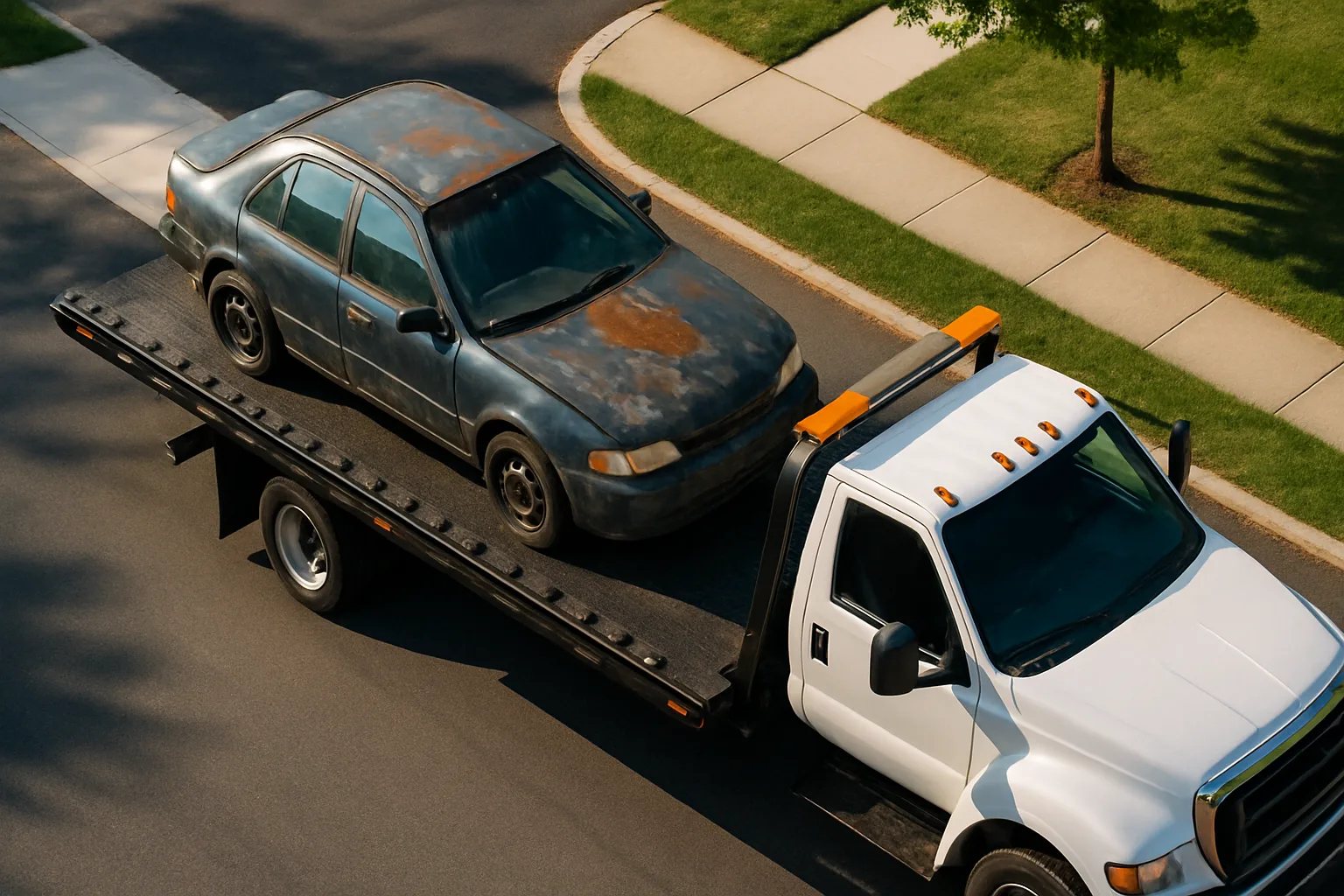
A flood-damaged car sitting in your driveway isn't just an eyesore — it's a depreciating liability that costs you money every day you hold onto it. Whether your vehicle took on water during a storm surge or got scorched in a garage fire, the question most owners ask first is the same: can I still get cash for this thing? The short answer is yes. But how much you get, and how fast, depends on knowing exactly where to take it.
If you're searching for junk car buyers near me Moncton, this guide breaks down everything you need to know about selling a damaged vehicle — what buyers actually look at, what documentation you need, and how platforms like get competitive bids for your scrap in Canada are changing what sellers can realistically expect.
What Happens to a Flood or Fire-Damaged Vehicle After You Sell It?
Most people assume a totalled vehicle goes straight to the crusher. That's not always true. Salvage yards, auto recyclers, and scrap processors look at a damaged car the same way a surgeon looks at a patient — they strip out what's usable before anything else happens.
A flood-damaged vehicle might still have a serviceable engine block, transmission, rear axle, or non-ferrous metal components. A fire-damaged car might yield intact suspension parts, wheels, or even a catalytic converter depending on where the fire started and how hot it burned. Scrap processors care about the weight of the vehicle and the value of recoverable materials. Private salvage buyers care about specific parts. Knowing which path your car takes affects how much you're offered.
- Scrap metal buyers — pay by weight, typically pricing the vehicle as a mix of ferrous and non-ferrous metal
- Salvage yards — strip parts first, then scrap the shell; may pay a premium for specific components
- Auto recyclers — similar to salvage, with more emphasis on environmental processing of fluids and hazardous materials
- Online auction platforms — connect sellers to vetted buyers who bid competitively, especially useful for loads that include parts like a catalytic converter auction-worthy components
Understanding the downstream process helps you choose the right buyer — not just the first one who answers the phone.
Flood vs. Fire Damage: What Buyers Actually Assess
Not all damage is created equal, and buyers in Moncton and across New Brunswick know the difference immediately. Flood damage and fire damage affect a vehicle's scrap value in different ways, and experienced buyers will look at specific factors before making an offer.
For flood-damaged vehicles:
- Depth and duration of submersion — a car that sat in a metre of water for two weeks is a different proposition than one that briefly flooded in a parking lot
- Saltwater vs. freshwater — saltwater accelerates corrosion dramatically and affects metal value
- Electrical system condition — water-logged wiring harnesses can make a vehicle unsafe to run but don't significantly affect scrap metal weight
- Engine and transmission — seized components reduce part salvage value but not scrap weight
- Catalytic converter status — converters are often intact on flood vehicles and carry their own market value separately from the vehicle shell
For fire-damaged vehicles:
- Extent of burn — engine compartment fire versus full vehicle fire tells buyers very different stories
- Structural integrity — whether the frame is warped or intact affects towing logistics
- Converter and non-ferrous components — high heat can affect precious metal content in converters; buyers factor this in
- Fluid contamination — fire suppression foam and burned fluids require proper disposal, which some buyers price into their offer
Bringing photos to the table — clear shots of all four corners, the engine bay, the interior, and the undercarriage — gives buyers the information they need to bid confidently. Platforms that require photo documentation as part of the listing process typically attract more serious offers because buyers aren't guessing at condition.
Do You Need a Title to Sell a Flood or Fire-Damaged Car in New Brunswick?
This is one of the most common questions sellers ask, and the answer varies by province and by buyer. In New Brunswick, Service NB manages vehicle registration and title records. A salvage title or a branded title (which a flood or fire vehicle will typically receive after an insurance write-off) doesn't prevent you from selling the vehicle for scrap — but you do need to be the registered owner on record.
If your vehicle was written off by your insurer, the title may have transferred to the insurance company. In that case, you'll need to confirm ownership status before approaching buyers. Most legitimate cash for cars Moncton services will walk you through what documents they need — typically your driver's licence, registration, and any insurance settlement paperwork.
If you've lost your title entirely, some scrap buyers will still work with you using a bill of sale and proof of identity, particularly for older vehicles with lower values. But having your paperwork in order before you call speeds everything up and avoids last-minute holdups on pickup day.
For those wondering about the cross-border comparison — searches like "cash for cars no title las vegas" reflect U.S. rules, which differ by state. If you're in New Brunswick, focus on provincial requirements and work with buyers familiar with Canadian documentation standards.
How SMASH Helps You Get More for a Damaged Vehicle
The old approach to selling a flood or fire car in Moncton was straightforward: call a local yard, accept whatever they offered, and schedule a tow. One buyer, one price, no leverage. That model still works — but it rarely gets you the best outcome.
SMASH operates as a competitive auction platform that connects sellers with vetted buyers across North America. When you list a damaged vehicle — including flood or fire units — multiple buyers see the details and bid based on actual market demand. That competition is the difference between a floor offer and a fair market offer.
This matters especially for vehicles with recoverable high-value components. A flood-damaged SUV with an intact catalytic converter, undamaged non-ferrous components, and a reasonably intact drivetrain has more potential value than a plain scrap weight calculation suggests. A single local buyer might only price the weight. A competitive platform surfaces buyers who specialize in different recovery streams and bid accordingly.
SMASH also handles photo documentation, inventory tracking, and auto-invoicing — which means both the seller and the buyer have a clean paper trail. For damaged vehicles especially, documentation matters. It protects you if questions come up later about the vehicle's condition at point of sale.
Learn more about how platforms like SMASH work by visiting get competitive bids for your scrap in Canada, or read more junk car removal guides to understand your options before you make a call.
What to Expect from the Pickup Process in Moncton
Once you've accepted an offer, the logistics of getting a flood or fire-damaged vehicle off your property are handled differently than a running car. Most damaged vehicles aren't driveable, which means flatbed towing is standard. Reputable scrap car removal Canada services include free towing as part of the transaction — you shouldn't be paying out of pocket to hand over a car you're already selling.
Here's a typical timeline for a damaged vehicle pickup in the Moncton area:
- Request a quote — provide make, model, year, condition, and photos
- Receive offer — for competitive platforms, this may take 24-48 hours while bids come in
- Accept and confirm — sign off on the offer and confirm your address and availability
- Schedule pickup — most operators offer same-week or next-day service for standard pickups
- Sign over the vehicle — hand over your keys and paperwork at pickup; payment is typically issued same day
Before pickup day, remove all personal belongings — flood and fire vehicles often have items trapped in the trunk or under seats. Cancel your insurance and return your plates to Service NB to stop registration costs. It's a simple process, but easy to forget in the rush to get the car gone.
If you're located in or around Moncton, Moncton scrap metal services can connect you with local operators who know New Brunswick's requirements and can handle damaged vehicle pickups without the runaround.
Getting the Most from Your Damaged Vehicle Sale
Damaged doesn't mean worthless. Every end-of-life vehicle — flood, fire, or just plain old — has recoverable value. The gap between a poor sale and a fair one usually comes down to one thing: how many buyers see your vehicle before you accept an offer.
A single cold call to a local yard is a starting point, not a strategy. Before you commit to any offer, take ten minutes to document your vehicle with clear photos, pull together your registration paperwork, and get your vehicle in front of more than one buyer. That's exactly what services like free scrap car pickup across Canada from GetMyScrapCar are built to do — remove the friction and connect you with buyers who will actually compete for your load.
Whether your vehicle was damaged in last season's flooding or a garage fire last month, you deserve a transparent process and a fair offer. The market for scrap vehicles in New Brunswick is active. Don't leave money on the table by defaulting to the first number you hear.
When you're ready to move forward, schedule your free scrap car removal and find out what your damaged vehicle is actually worth. No pressure, no commitment — just a number you can work with.
Frequently Asked Questions
Q: Can I sell a flood-damaged car to junk car buyers near me in Moncton?
Yes. Most scrap car buyers and auto recyclers in the Moncton area purchase flood-damaged vehicles regardless of whether they run. The vehicle's weight, recoverable parts, and overall condition all factor into the offer. Have photos ready and confirm your registration paperwork before you call.
Q: How much cash can I get for a fire-damaged car in New Brunswick?
Offers vary depending on the vehicle's size, weight, what components survived the fire, and current scrap metal prices. Fire-damaged vehicles typically sell for scrap weight value unless specific parts — like a catalytic converter — are intact and recoverable. Getting competitive bids from multiple buyers gives you the clearest picture of market value. Note that prices fluctuate with commodity markets, so always check current rates.
Q: Do I need a title to sell my junk car in Moncton?
In most cases, yes — you need to be the registered owner on record with Service NB to legally transfer a vehicle. If your car was written off by insurance, confirm who holds the title before approaching buyers. Some scrap buyers will work with a bill of sale for older low-value vehicles, but having your paperwork in order makes the process faster.
Q: Is free towing included when I sell a scrap car in Moncton?
Reputable junk car removal services include free towing as part of the transaction. You should never have to pay a towing fee to give away a vehicle you're already selling. Confirm this upfront when you request a quote — if a buyer wants to deduct towing from your offer, that's worth factoring into your comparison.
Q: What's the difference between selling through a local yard versus an auction platform for a damaged car?
A local yard gives you one offer based on their own pricing. An auction platform like SMASH puts your vehicle in front of multiple vetted buyers who compete for it — which can surface higher offers, especially for vehicles with recoverable components. For straightforward low-value loads, either approach works. For damaged vehicles with complex recovery value, competition matters.
Stay current on scrap metal market trends and industry news by following SMASH on LinkedIn — useful weekly insights for anyone in the scrap and recycling space.