Junkyard, Salvage Yard, or Auto Recycler — They're Not the Same Thing
Most people use these three terms interchangeably. That's understandable — they all deal with old, damaged, or end-of-life vehicles. But if you're trying to get the most money for your scrap car in London, Ontario, the difference matters more than you'd think. Sending your car to the wrong type of facility could mean leaving real money on the table.
This guide breaks down exactly what each operation does, how they handle your vehicle, and how that affects what you get paid. Whether you're after free scrap car pickup London or just trying to understand who's actually buying your car — read this first.
What Is a Junkyard? The Basics Most People Already Know
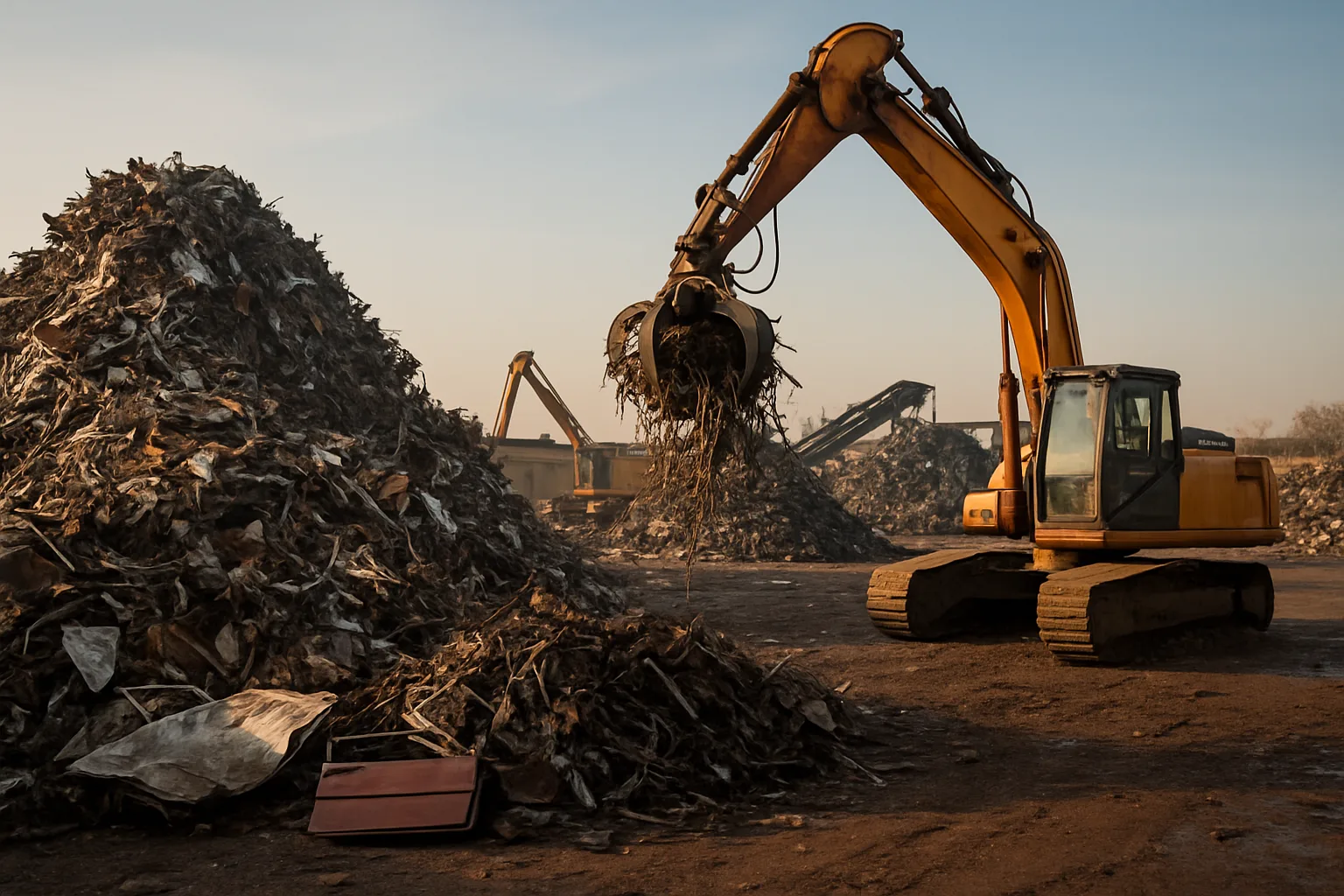
A junkyard is the most old-school operation in the bunch. You've seen them: rows of crushed or stripped cars piled behind a chain-link fence, often in an industrial part of town. Junkyards typically accept vehicles for their bulk metal value. They're not focused on preserving parts or maximizing recovery — they want the weight.
The typical junkyard process looks like this:
- You bring the car in (or they pick it up)
- They drain fluids and strip a few key components
- The shell gets crushed and baled for sale to a scrap metal processor
- You get paid based on the vehicle's weight and current scrap metal prices
Junkyards are straightforward and fast. But they're not optimizing for your payout. They're buying in bulk, processing volume, and selling commodity steel. If your car has valuable parts — a low-mileage engine, intact catalytic converters, or a transmission in working condition — a junkyard likely won't factor those into what they offer you. That's where salvage yards come in.
Salvage Yards vs. Junkyards — One Word Makes a Big Difference
A salvage yard (also called a wrecking yard or auto wrecker) operates on a fundamentally different model. Instead of crushing your car immediately, a salvage yard strips it down first. They pull usable parts — doors, hoods, engines, transmissions, seats, electronics — and sell them individually to mechanics, body shops, and DIY repair customers.
The economics here are completely different. A car worth $200 at a junkyard might yield $800–$1,200 in parts value at a good salvage yard, depending on the year, make, and condition. That's why many salvage yards will pay you more than a straight junkyard. They're not just buying your steel — they're buying your components.
Here's what typically happens at a salvage yard:
- They assess the vehicle for usable parts, not just weight
- They pull and inventory saleable components
- Parts go onto shelves or into a database for retail or wholesale buyers
- What's left after stripping gets sold as scrap metal
In London and across Ontario, there are well-established salvage operations that serve both the public and the trade. If your car has a repairable engine or intact body panels, calling a salvage yard before defaulting to a crusher is worth your time. That said, not every car qualifies — heavily rusted or fire-damaged vehicles often have little salvage value beyond scrap weight.
Auto Recyclers — The Most Regulated and Modern Option
Auto recyclers are the most evolved version of what junkyards and salvage yards do. In Canada, auto recyclers operate under provincial environmental regulations that govern how vehicles are depolluted before processing. In Ontario, that means following strict rules around fluid removal — engine oil, transmission fluid, antifreeze, refrigerants, and more — before any crushing or dismantling happens.
Certified auto recyclers also tend to use inventory management systems. Parts are catalogued, VINs are tracked, and buyers can often search online for specific components. This is a real business running real inventory — not just a lot full of rusting hulks. For the vehicle owner selling a scrap car, dealing with a certified auto recycler typically means better documentation, cleaner transactions, and more confidence that your car gets processed legally.
Here's how auto recyclers differ from basic junkyards:
- Environmental compliance: Full fluid removal and disposal before any processing
- Parts inventory: Components tracked by VIN, make, and model
- Catalytic converter handling: Cats are logged, tracked, and sold through proper channels
- Documentation: You get paperwork — important for deregistering your vehicle
- Buyer networks: They sell parts and metals to vetted buyers, not just whoever calls first
If you're in London and looking for junk car removal London that's fully above board, a certified auto recycler is your safest bet. And increasingly, platforms like SMASH are connecting auto recyclers with competitive buyers for their processed metals — which ultimately affects how much they can pay you at the gate.
How Scrap Metal Prices Today Affect What You Get Paid
No matter which type of facility you're dealing with, your payout is tied — at least partially — to current scrap metal prices. Steel, aluminum, copper, and catalytic converter metals all fluctuate on commodity markets. A quote you get today may be different from one you'd get in two weeks.
In mid-2026, scrap metal markets have remained active, driven by ongoing demand from steel mills and non-ferrous processors across North America. But "active" doesn't mean predictable. Prices shift with manufacturing demand, trade conditions, and currency exchange — especially relevant when comparing Canadian and U.S. markets.
This is one reason why the traditional model — calling one buyer, getting one number, taking it or leaving it — often leaves sellers undervalued. You have no way to know if that number reflects the market or just the buyer's margin target for the week.
This is exactly the problem SMASH was built to solve. Sell your scrap metal on SMASH Recycling and get your materials in front of multiple vetted buyers at once. Competition can help reveal the real market price — not just what one buyer decides to offer. For yards and recyclers processing vehicle metals, that kind of price discovery makes a real difference over time.
Disclaimer: Scrap metal prices fluctuate based on commodity markets, location, and material grade. Always check current rates before selling.
Which One Should You Call When You Have a Scrap Car in London?
The honest answer: it depends on your car. Here's a quick way to think about it.
Call a salvage yard or auto recycler if:
- Your car is relatively recent (under 15 years old)
- It has a functioning engine or transmission
- The body panels are intact and not heavily rusted
- It has low mileage for its age
Straight scrap (junkyard or crusher) makes more sense if:
- The car is heavily rusted, burned, or flood-damaged
- It's an older, high-mileage vehicle with low parts demand
- You just want it gone fast with no hassle
For most London-area residents with a beater sitting in the driveway or a car that failed its last safety inspection, the fastest and most practical option is scheduling free scrap car pickup across Canada from GetMyScrapCar. You get free towing, a fair offer based on current market conditions, and someone else handles all the paperwork. No need to figure out whether you need a salvage yard or a crusher — they sort that out on the back end.
If you want to explore London scrap metal services in more detail, there's local guidance specific to the London, Ontario market available to help you understand your options before you commit.
Why Transparency in the Scrap Car Market Matters More Than Ever
One of the biggest frustrations vehicle owners have when scrapping a car is the information gap. The buyer knows the metal markets. They know what your catalytic converter is worth. They know what a working alternator sells for. You don't — and that asymmetry usually favors the buyer.
The good news is that tools and platforms are closing that gap. SMASH brings competitive auction dynamics to the scrap metal side of auto recycling — meaning the facilities buying your processed vehicle metals are competing against each other, not just setting their own price in isolation. That market pressure, over time, flows back to what end-of-life vehicle owners get paid.
Understanding the difference between a junkyard, salvage yard, and auto recycler is step one. Step two is making sure the people handling your car are plugged into a transparent, competitive market. For the scrap metal side of that equation, SMASH is doing the work of connecting recyclers with real buyers across North America.
If you're ready to move your scrap car in London or anywhere across Canada, schedule your free scrap car removal and get a quote based on actual market conditions — not a lowball guess. And for more guides on navigating the scrap and recycling world, read more junk car removal guides to stay informed before you sell.
Frequently Asked Questions
Q: What's the difference between a salvage yard and a junkyard?
A junkyard typically crushes vehicles for bulk scrap metal value. A salvage yard strips usable parts first and sells them individually, often paying more because they're recovering more value from each vehicle. If your car has intact, repairable components, a salvage yard may offer a better payout.
Q: Is free scrap car pickup really free in London, Ontario?
Yes — reputable services offering free scrap car pickup in London cover the towing cost themselves. They make their margin on the scrap metal and parts value of your vehicle. You don't pay for the tow, and in most cases you still receive a cash offer for the car itself.
Q: How do I know if my car is worth more as parts or straight scrap?
Generally, cars under 15 years old with functioning mechanical components have more parts value. Heavily rusted, flood-damaged, or high-mileage vehicles with low parts demand are usually better suited for straight scrap. When in doubt, get a quote from both a salvage yard and a scrap service and compare.
Q: Do scrap car prices change often in Canada?
Yes. Scrap car prices are tied to commodity metal markets, which shift regularly based on manufacturing demand, trade conditions, and global steel prices. A quote you receive today may differ from one next week. Always check current rates and get multiple quotes if timing allows.
Q: Do I need to remove the plates before scrap car pickup in Ontario?
Yes. In Ontario, you're required to remove your licence plates before surrendering a vehicle. You'll also want to cancel your insurance and notify the Ministry of Transportation. A reputable scrap car service will walk you through the paperwork requirements when you book your pickup.
Stay current on scrap metal market trends and industry news by following SMASH on LinkedIn.