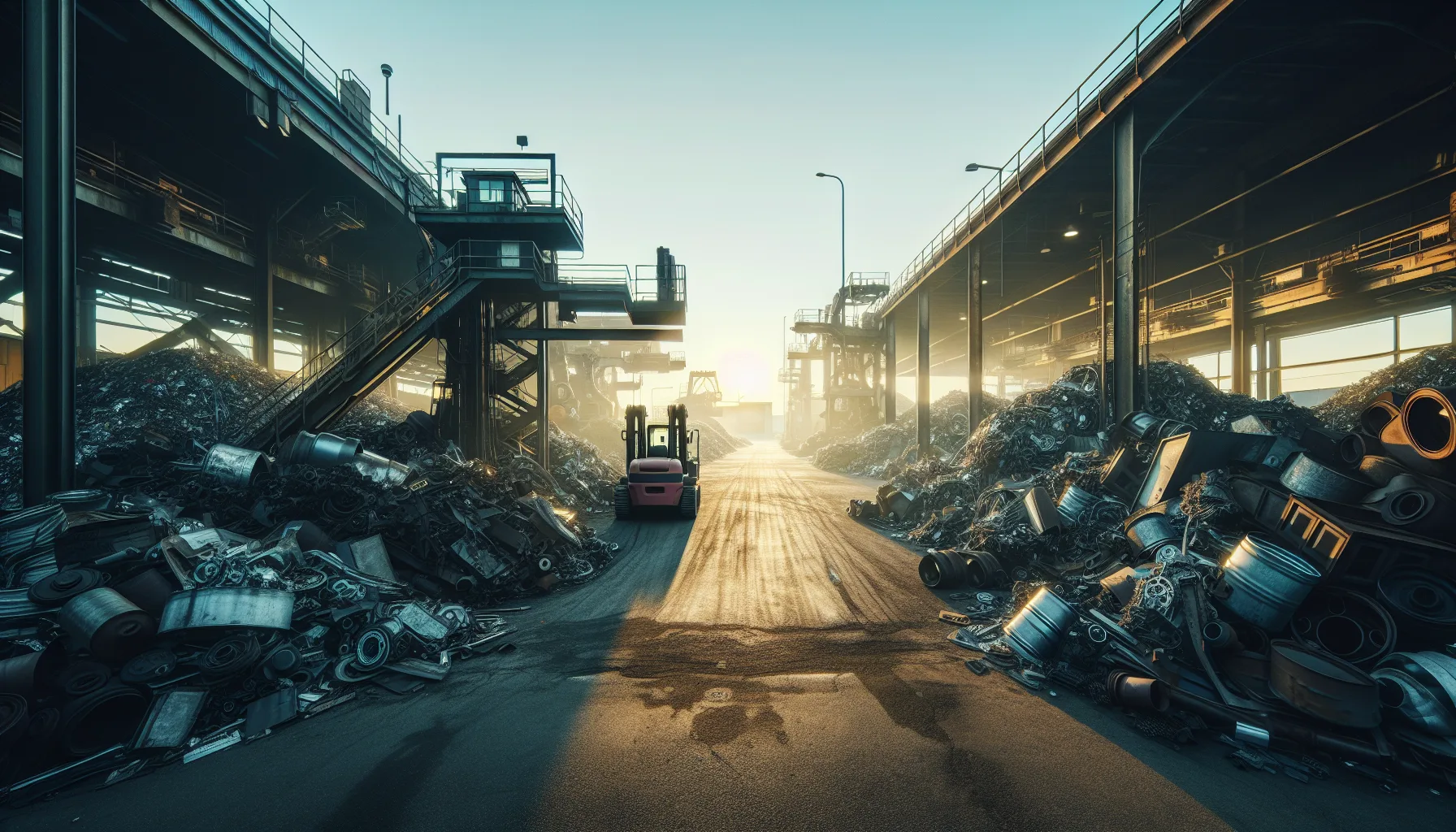
When you sell your end-of-life vehicle for cash for junk cars Brampton, you might wonder what happens next. The tow truck arrives, loads your car, and drives away—but where exactly does it go? Understanding the complete auto recycling process reveals why professional scrap car buyers can offer competitive prices while ensuring environmental responsibility. This behind-the-scenes look follows your vehicle's journey from pickup to its final transformation into valuable recycled materials.
Initial Assessment and Documentation at the Auto Recycler
Once your vehicle arrives at the auto recycling facility, the detailed evaluation process begins. Trained technicians conduct a comprehensive assessment that goes far beyond what was possible during the initial pickup inspection. They examine every component systematically, identifying valuable parts that can be resold and determining the vehicle's total scrap metal content.
The documentation process involves recording the vehicle identification number (VIN), verifying ownership transfer, and creating a detailed inventory. This paperwork ensures legal compliance and provides traceability throughout the recycling process. Professional recyclers maintain meticulous records for regulatory purposes and to optimize their operations.
During this stage, technicians also assess hazardous materials that require special handling. Fluids like motor oil, transmission fluid, coolant, and brake fluid are identified for proper drainage and disposal. This initial assessment determines the recycling strategy and helps maximize the value recovered from each vehicle.
Fluid Removal and Environmental Safety Procedures
Environmental protection takes priority during the early stages of auto recycling. Certified technicians systematically remove all automotive fluids using specialized equipment designed to prevent contamination. Motor oil, transmission fluid, differential oil, power steering fluid, brake fluid, and coolant are carefully extracted and stored in appropriate containers.
These fluids don't simply get discarded. Many automotive fluids can be cleaned, refined, and reused. Motor oil undergoes re-refining processes that restore it to near-original quality. Coolant can be recycled after removing contaminants. Even brake fluid has recycling applications when properly processed.
Battery removal follows strict protocols due to the hazardous materials involved. Lead-acid batteries contain valuable lead and plastic components that command good prices in recycling markets. When you sell my car for cash Brampton, the battery value contributes to your payout. Proper battery handling prevents environmental contamination while recovering valuable materials.
Air conditioning systems receive special attention during fluid removal. Refrigerants must be recovered using EPA-approved equipment to prevent atmospheric release. This process requires certified technicians and specialized tools, highlighting why professional auto recyclers invest heavily in proper equipment and training.
Valuable Parts Harvesting and Resale Operations
The parts harvesting stage represents where significant value gets recovered from end-of-life vehicles. Experienced dismantlers remove components with strong resale demand, from engines and transmissions to smaller items like mirrors, door handles, and electronic modules. This process requires extensive knowledge of part compatibility across different vehicle makes and models.
Catalytic converters receive particular attention due to their high precious metal content. These emission control devices contain platinum, palladium, and rhodium—metals that command premium prices. Professional recyclers can sell catalytic converters online to specialized processors who extract these valuable metals. The catalytic converter market remains strong, making these components significant value contributors.
Electronic components have become increasingly valuable as vehicles incorporate more sophisticated technology. Navigation systems, infotainment units, engine control modules, and sensor arrays all have resale potential. Some electronic parts get refurbished and sold as replacement components, while others are processed for precious metal recovery.
Wheels and tires often find new life through resale channels. Quality alloy wheels command good prices, while tires in decent condition can be sold for continued use. Even worn tires have value through tire recycling programs that convert rubber into various products.
Metal Processing and Preparation for Market
After valuable parts removal, the remaining vehicle structure undergoes metal processing. Large shredders reduce vehicle bodies into fist-sized pieces, separating ferrous metals (steel and iron) from non-ferrous metals (aluminum, copper, brass). This mechanical separation process uses powerful magnets and other sorting technologies to maximize metal purity.
Steel represents the largest volume of material recovered from scrapped vehicles. The automotive steel is particularly valuable because it's typically high-grade material suitable for remelting into new products. Steel mills actively purchase this scrap metal, creating a steady demand that helps support competitive pricing for cash for cars Ontario programs.
Aluminum components, including engine blocks, wheels, and body panels, get processed separately due to their higher value. Aluminum recycling requires less energy than primary production, making recycled aluminum extremely desirable to manufacturers. The lightweight metal commands premium prices in scrap markets.
Copper wiring and components are carefully sorted and processed. Copper's high conductivity and corrosion resistance make it extremely valuable in recycling markets. Even small amounts of copper recovered from each vehicle contribute meaningfully to the overall value equation.
Platforms like SMASH help auto recyclers connect with buyers for their processed materials. Canada's B2B scrap metal auction platform enables recyclers to reach wider markets and optimize pricing for their recovered metals. This improved market access helps recyclers offer better prices to vehicle owners.
Final Processing and Market Distribution
The final processing stage involves preparing materials for their end markets. Shredded metal gets cleaned, sorted by grade, and formed into bales or other shipping formats. Quality control ensures materials meet buyer specifications for purity and composition. This attention to detail maximizes the value recovered from each processed vehicle.
Steel typically goes to steel mills where it becomes new automotive parts, construction materials, or appliances. The circular nature of steel recycling means your old vehicle might become components for new cars rolling off assembly lines. This closed-loop recycling demonstrates the environmental benefits of professional auto recycling.
Non-metallic materials also find useful applications. Plastics get sorted by type and processed into pellets for manufacturing new products. Glass from windows becomes aggregate for road construction or gets melted for new glass production. Even automotive fabrics can be recycled into insulation materials.
SMASH facilitates these final market connections by providing recyclers with access to buyers across Canada. This improved market reach helps optimize material values throughout the supply chain. When recyclers get better prices for processed materials, they can offer more competitive rates for free scrap car pickup across Canada from GetMyScrapCar.
The entire process typically takes several days to complete, depending on facility capacity and vehicle complexity. Modern auto recycling operations recover approximately 80% of each vehicle's material content, with the remainder going to specialized waste processing facilities. This high recovery rate demonstrates the efficiency of professional recycling operations.
Understanding what happens after pickup helps vehicle owners appreciate why choosing reputable recyclers matters. Professional facilities invest in proper equipment, training, and environmental compliance to maximize value recovery while protecting the environment. When you need to schedule your free scrap car removal, selecting established recyclers ensures your vehicle gets processed responsibly.
The auto recycling industry continues evolving with new technologies and market demands. Electric vehicle recycling presents new challenges and opportunities as battery technology advances. Hybrid vehicles require specialized knowledge for safe processing. These developments keep auto recyclers adapting their processes and investing in new capabilities.
For vehicle owners in Brampton and throughout Ontario, professional auto recycling provides an environmentally responsible solution for end-of-life vehicles while generating fair compensation. The complex process behind the scenes transforms your old car into valuable materials that support manufacturing industries while reducing environmental impact. Read more junk car removal guides to learn additional aspects of the scrap car process and make informed decisions about your vehicle disposal needs.
Frequently Asked Questions
Q: How long does the recycling process take after my car is picked up in Brampton?
The complete recycling process typically takes 3-7 days from pickup to final material processing. Initial assessment and fluid removal occur within 24-48 hours, while parts harvesting and metal processing require additional time depending on facility capacity and vehicle complexity.
Q: Do I get paid more if my car has valuable parts when selling for cash in Brampton?
Yes, vehicles with valuable components like catalytic converters, intact engines, or desirable parts typically receive higher payouts. Professional buyers assess these components during evaluation and factor their resale value into your cash offer.
Q: What happens to the fluids removed from my scrapped car?
Automotive fluids are processed through specialized recycling programs. Motor oil gets re-refined, coolant is cleaned and reused, and other fluids are processed according to environmental regulations. Nothing gets simply discarded—proper recycling maximizes material recovery while protecting the environment.
Q: Can I remove parts myself before selling my car for scrap in Ontario?
While you can remove some parts, professional recyclers typically offer better overall value when purchasing complete vehicles. They have expertise in parts evaluation and market connections that often result in higher total compensation than individual part sales.
Q: How do auto recyclers ensure environmental compliance during processing?
Licensed auto recyclers follow strict environmental regulations including proper fluid handling, hazardous material disposal, and air quality controls. They maintain detailed documentation and undergo regular inspections to ensure compliance with provincial and federal environmental standards.
Ready to turn your end-of-life vehicle into cash while supporting environmental responsibility? Get a free quote for your scrap car in Canada — schedule free pickup at getmyscrapcar.ca and experience professional service that maximizes your payout while ensuring proper recycling of every component.