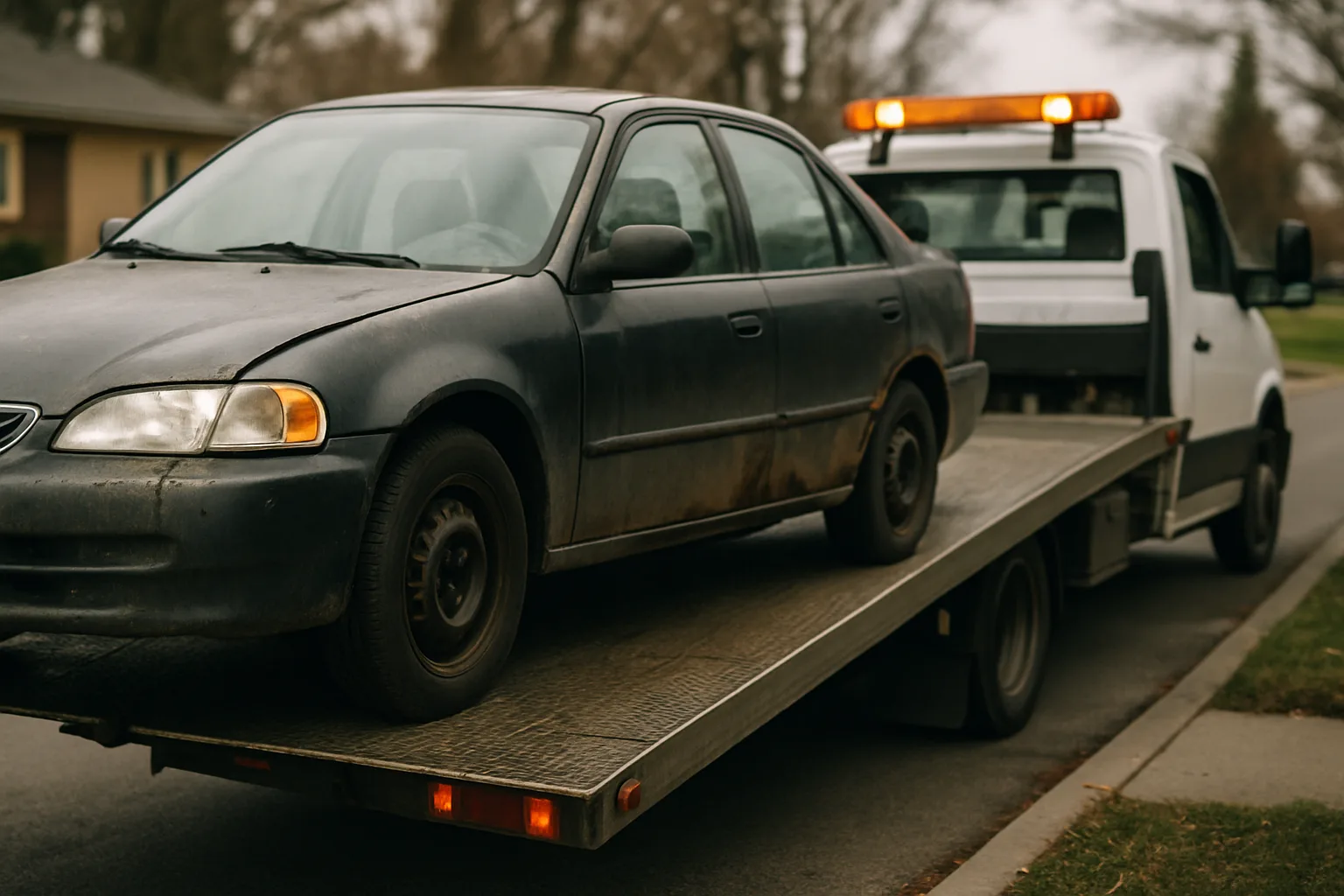
What Actually Happens to Your Car After You Scrap It?
Most people hand over their keys, get their cash, and never think twice about where the car goes. But here's something worth knowing: roughly 80% of a scrapped vehicle's materials are recovered and reused — steel, aluminum, copper, rubber, and more. If you're looking to sell my car for cash Markham, understanding that process isn't just interesting — it helps you make smarter decisions about who you sell to and why it matters.
Eco-friendly car disposal isn't a buzzword. It's a regulated, step-by-step process that keeps hazardous fluids out of Ontario's groundwater, keeps metals in circulation, and reduces the need to mine virgin raw materials. When you do it right, scrapping your car is one of the most responsible things you can do with a vehicle at the end of its life.
This guide breaks down exactly how responsible auto recycling works, what to expect in Markham and across Ontario, and how platforms like smashrecycling.ca are changing the way scrap materials move through the supply chain.
The Eco-Friendly Scrapping Process: Step by Step
Responsible vehicle disposal follows a clear sequence. Every certified auto recycler in Ontario — and across Canada — should follow these steps. If the buyer you're talking to can't explain their process, that's a red flag.
- Fluid Extraction First — Before anything else, technicians drain all hazardous fluids: engine oil, transmission fluid, coolant, brake fluid, power steering fluid, and refrigerants. These are collected separately and sent to licensed processors. This step alone prevents serious soil and water contamination.
- Battery Removal — Lead-acid batteries contain sulfuric acid. They're removed and sent to battery recyclers where the lead, plastic, and acid are all recovered. With EV adoption growing across Ontario, lithium-ion battery handling is becoming a more complex but equally critical part of this process.
- Catalytic Converter Recovery — Cats contain platinum, palladium, and rhodium — rare metals with significant market value. Responsible recyclers remove and process these separately rather than letting them disappear into bulk shredding.
- Parts Harvesting — Serviceable parts — alternators, starters, doors, mirrors, seats — get pulled and inventoried for resale. This extends the useful life of components and keeps materials in use longer before they reach the smelter.
- Depollution and Hull Processing — After fluids and usable parts are removed, the vehicle hull goes through a shredder. Ferrous metals (steel and iron) are separated magnetically. Non-ferrous metals like aluminum and copper are separated through eddy current and density separation.
- Material Sale and Remelting — The sorted metals are sold to mills and foundries. Steel gets remelted into new product. Aluminum re-enters manufacturing. Nothing that can be recovered gets landfilled if the process is done properly.
When you schedule your free scrap car removal through a reputable buyer, this is the process your vehicle enters. You're not just getting rid of a headache — you're feeding a responsible recycling chain.
Why Markham Vehicle Owners Are Choosing Greener Disposal Options
Markham has grown into one of Ontario's most environmentally conscious cities. That's not just about municipal policy — it's about how residents and businesses make everyday decisions. More vehicle owners in Markham are asking questions before they hand over their cars: Where does it go? How is it processed? Is the buyer certified?
That shift in mindset is driving demand for transparent, traceable scrap car services. Buyers who can document the depollution process, provide proof of proper fluid disposal, and connect sellers to verified downstream recyclers are winning business. The days of calling a number from a telephone pole and hoping for the best are fading — and that's a good thing for Ontario's environment and for sellers who want to know their car isn't ending up in a backyard chop shop.
If you want to sell my junk car Markham with confidence that it's being handled responsibly, the ask is simple: verify that your buyer is licensed, ask how they handle fluid extraction, and make sure you get a proper receipt or bill of sale. That paper trail protects you legally and confirms the vehicle is being processed correctly.
What Metals Are Recovered — and Why They Have Real Value
Your end-of-life vehicle isn't just rust and memories. A typical passenger car contains materials that have genuine market value to recyclers and mills across North America. Understanding what's in your car helps you appreciate why competitive pricing matters — and why selling to a single buyer with no competition almost always leaves money on the table.
- Steel: The largest material by weight. Most of a vehicle's body, frame, and drivetrain components are steel. It's the most recycled material in North America by volume.
- Aluminum: Found in engine blocks, wheels, hoods, and radiator cores. Aluminum commands a higher price per pound than steel and is increasingly used in newer vehicles for weight savings.
- Copper: Wiring harnesses throughout the vehicle contain significant copper. Copper consistently trades at strong prices in the non-ferrous market.
- Platinum Group Metals (PGMs): Catalytic converters contain platinum, palladium, and rhodium. These materials are processed by specialized refiners and represent meaningful value even in a single cat.
- Lead: Primarily in batteries, but also in some wheel weights and older wiring. Recovered and reprocessed by certified lead recyclers.
- Rubber and Plastics: Tires get shredded for crumb rubber used in playground surfaces and athletic tracks. Plastics recovery rates are improving but vary by processor.
Scrap metal markets fluctuate based on global commodity prices, so the value of your vehicle can shift week to week. That's exactly why transparent, competitive pricing — the kind a B2B scrap metal marketplace like SMASH brings to the industry — matters so much. When multiple vetted buyers compete for material, price discovery becomes real rather than guessed. You can read more junk car removal guides to stay informed on what factors affect your payout.
Note: Scrap metal prices fluctuate with commodity markets. Always check current rates before finalizing a sale.
Selling Without a Title in Canada — What You Need to Know
One of the most common questions from people searching for junk car buyers near me no title is whether they can still get cash for a car they no longer have paperwork for. The short answer: it depends on the province, but options do exist.
In Ontario, a vehicle title (ownership document) is technically required to transfer a vehicle. However, many licensed auto recyclers have processes in place to handle lost or missing ownership — especially for vehicles that are clearly at end-of-life and not being resold for road use. You may need to provide alternative proof of ownership such as a driver's licence, vehicle history, or a statutory declaration.
What you should never do is sell to an unlicensed buyer who doesn't ask questions about ownership. That creates liability for you if the vehicle was ever involved in something you didn't know about. Always deal with licensed, registered buyers who handle the paperwork properly — for your protection as much as theirs.
If you've inherited a vehicle, lost your ownership documents, or are dealing with a car that's been sitting for years, the best first step is to call your buyer directly and explain the situation. A reputable service will tell you exactly what they need and what alternatives exist in your specific case.
How SMASH Connects Scrap Cars to Competitive, Verified Buyers
The old way of scrapping a car looks like this: you call one buyer, they give you a number, and you take it or leave it. You have no idea if that number is fair. You have no visibility into where your vehicle goes. And if the buyer lowballs you, your only option is to start making calls all over again.
SMASH breaks that model. As a B2B scrap metal marketplace, SMASH connects sellers — including auto recyclers processing end-of-life vehicles — with a network of vetted buyers who compete for material. That competition is how price discovery actually works. More buyers bidding means the market sets the price, not a single buyer with no accountability.
For individual vehicle owners in Markham and across Ontario, this matters because the companies you sell to are part of a larger ecosystem. When those recyclers are using platforms like SMASH to move their processed metal competitively, they're operating more efficiently — and that efficiency flows back to you in the form of better offers and more reliable service. Free scrap car pickup across Canada from GetMyScrapCar is part of that connected, transparent supply chain.
No subscription fees. No guesswork. No single buyer setting the table. That's the difference between the old way and the SMASH way.
Ready to Scrap Your Car the Right Way?
Eco-friendly car disposal doesn't have to be complicated. If you're in Markham or anywhere across Ontario, the process starts with one decision: choose a buyer who does it right. Licensed, transparent, fully depolluted — that's the standard. Your car has real material value, and a responsible recycling chain ensures that value is captured properly, not wasted.
If you're ready to move forward, get a free quote for your scrap car in Canada and schedule your free scrap car removal at getmyscrapcar.ca. Free towing, no hidden fees, and a process you can trust from pickup to processing.
Frequently Asked Questions
Q: Can I sell my car for cash in Markham if it doesn't run?
Yes. Most junk car buyers in Markham and across Ontario will purchase non-running vehicles. Free towing is typically included, so you don't need to worry about getting the car to a facility. The condition of the vehicle affects the offer price, but a non-running car still has scrap value.
Q: How long does scrap car pickup take in Markham?
Most reputable services can arrange pickup within 24 to 48 hours of accepting an offer. In many cases, same-day pickup is available depending on location and scheduling. Contact your buyer early in the day to maximize your options for quick removal.
Q: Do I need the vehicle ownership to sell my junk car in Markham?
In Ontario, ownership documentation is generally required for a legal vehicle transfer. However, licensed buyers often have processes for situations involving lost ownership — you may be able to provide alternate proof of ownership. Always ask your buyer directly about their requirements before assuming you can't sell.
Q: What happens to my car's fluids when it gets scrapped?
A certified auto recycler will drain all hazardous fluids — oil, coolant, brake fluid, refrigerants — before the vehicle is processed. These fluids are sent to licensed processors and never disposed of in landfill or down drains. Always confirm your buyer follows proper depollution procedures before you sell.
Q: How is scrap car pricing determined in Canada?
Scrap car prices are based on the weight of recoverable metal, the current commodity market prices for steel and non-ferrous metals, and the condition and completeness of the vehicle. Prices fluctuate regularly with global markets, so get a current quote rather than relying on older estimates. More competitive buying environments — like those supported by platforms such as SMASH — tend to produce better price discovery for sellers.
Stay current on scrap metal market trends and industry insights by following SMASH on LinkedIn: linkedin.com/company/scrap-metal-auction-sales-hub.