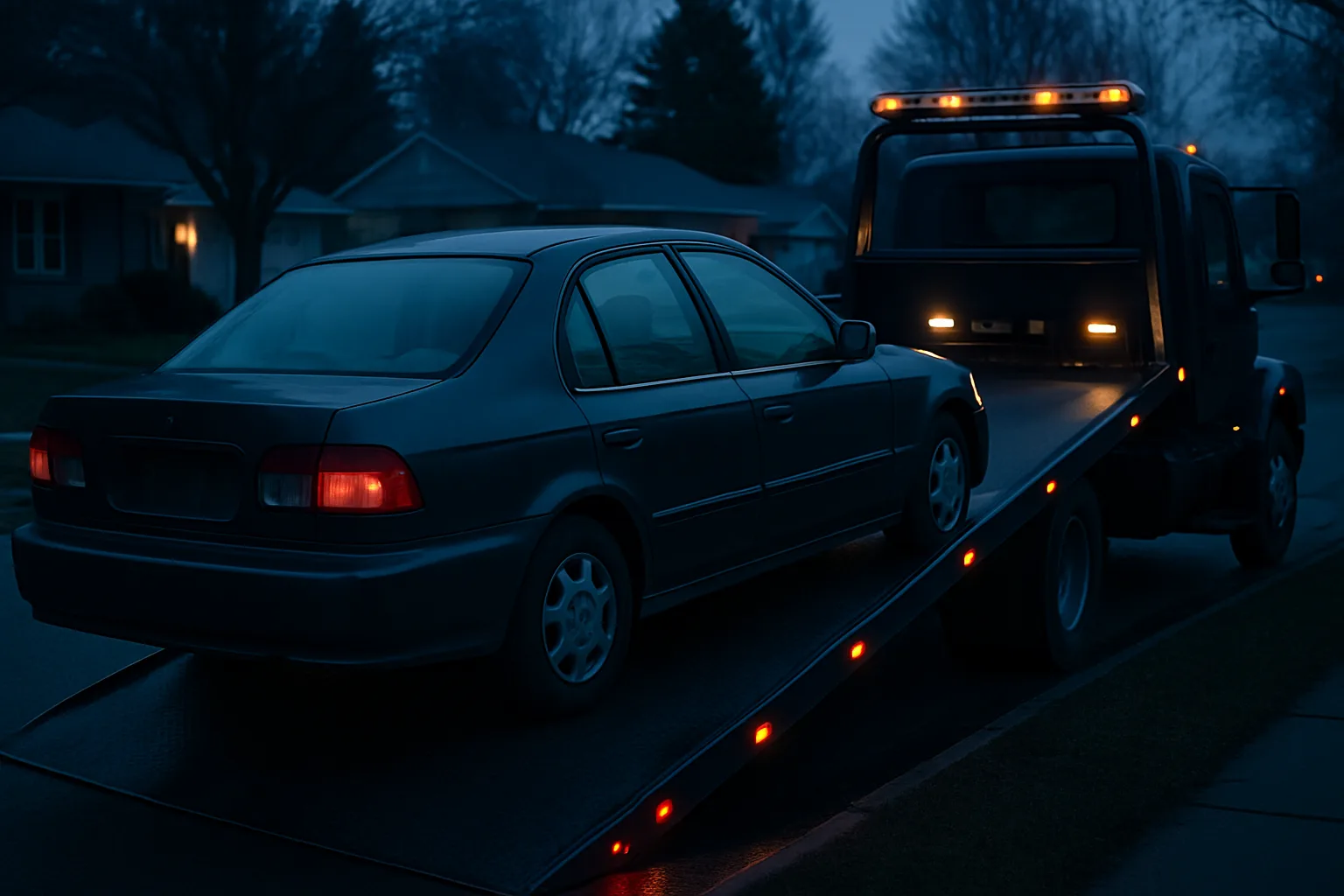
Your old car sitting in the driveway is worth more at certain times of year — and most people have no idea. If you're planning to sell scrap car St. Catharines, timing matters more than you might think. Seasonal shifts, road conditions, and regional demand patterns all move the scrap market. Understanding those cycles can put more cash in your pocket or at least help you avoid leaving money on the table.
This week's roundup breaks down how weather, seasons, and market conditions shape what you'll get for your end-of-life vehicle — and what you can do about it right now, heading into fall 2026.
---Why Scrap Metal Prices Aren't the Same All Year
Scrap metal is a commodity. Like oil, lumber, or grain, it moves with supply and demand. But unlike those markets, scrap is also tied to very local and very seasonal forces — the kind that hit Ontario hard every single year.
When demand from steel mills and processors spikes, prices follow. When supply floods the market — say, after a harsh winter when dozens of vehicles get written off — prices can soften. Add in fuel costs for haulers, fluctuating export demand, and the general unpredictability of commodity markets, and you've got a price that rarely sits still for long.
For vehicle owners in places like St. Catharines, where winters are real and roads get salted heavily from November through March, the timing of your scrap car sale can actually shift what you're offered. Here's how it breaks down season by season.
---Winter: High Salt, More Write-Offs, Mixed Price Signals
Ontario winters are rough on vehicles. Salt and brine on the QEW, the 406, and every secondary road in the Niagara region accelerate rust and frame corrosion faster than almost anywhere in the country. That means more write-offs, more total losses, and more scrap vehicles entering the market between December and March.
When supply increases sharply — and it does every winter — prices per tonne for crushed vehicles can dip. Processors and auto recyclers have more inventory than they need. If you're trying to sell a vehicle in January or February, you may be competing with a lot of other people doing the exact same thing after their car finally gave out on a cold morning.
That said, winter isn't always a bad time to sell. A few factors can offset the supply surge:
- Steel mill activity — Mills running strong production schedules still need feedstock regardless of season.
- Catalytic converter demand — Precious metals like platinum, palladium, and rhodium inside cats don't care what month it is. If your vehicle has a valuable converter, that component holds its value year-round, and platforms like Canada's B2B scrap recycling marketplace help ensure those converters reach competitive buyers.
- Quick removal demand — Yards and haulers want vehicles out of driveways before freeze-up makes access harder. That urgency can work in your favour.
Bottom line on winter: don't wait for a magic moment. If your car is done, the logistics of winter removal (frozen driveways, tight access, snow) are real obstacles. Book your free scrap car pickup across Canada from GetMyScrapCar before conditions make it harder.
---Spring: The Sweet Spot for Scrap Car Sellers
Ask any auto recycler in Ontario and they'll tell you: spring is when the market wakes up. Steel demand picks up as construction season kicks in. Manufacturers ramp up production. Export volumes increase. All of that means processors are buying more aggressively — and prices tend to reflect it.
Spring also brings the post-winter vehicle reckoning. People who limped their car through another brutal season finally decide it's done. That creates some supply pressure, but it's generally offset by strong demand from buyers who need material to meet production targets.
For St. Catharines residents specifically, spring also means easier logistics. Driveways are clear. Roads are accessible. Tow trucks can reach vehicles that would have been a nightmare to move in February. If you've been sitting on a dead car all winter, late March through May is historically a strong window to act.
A few things to watch in spring 2026:
- Steel prices have shown seasonal lift in Q1/Q2 in recent years — general trend, not a guarantee.
- Non-ferrous metals (copper, aluminum, catalytic converter metals) tend to follow industrial demand, which picks up with construction.
- Buyers get competitive. This is where platforms like SMASH add real value — more active buyers means better price discovery for your vehicle's parts and materials.
Summer and Fall: Stability, Opportunity, and Inventory Prep
Summer tends to be the most stable period for scrap pricing. Supply is steady, demand is consistent, and the market doesn't swing wildly in either direction. That's actually good news if you're selling — you're not catching a dip, and the logistics are as easy as they get.
Summer is also when auto recyclers are actively building inventory ahead of the fall rush. If your vehicle has usable parts — a solid engine, good body panels, a catalytic converter with value — recyclers may offer a stronger number in summer because they want that inventory before demand spikes in fall.
Fall is where things get interesting again. As we head into late September and October, a few forces converge:
- Pre-winter write-offs begin — People assess whether their vehicle will survive another Ontario winter and often decide it won't.
- Recyclers get selective — They're thinking about what they want to process before freeze-up slows operations.
- Catalytic converter values fluctuate — Precious metal markets are their own beast, and fall can bring volatility. If your vehicle has a cat with value, using a structured process — like a catalytic converter auction through SMASH — ensures you're not guessing at that value.
Right now, at the end of August 2026, you're sitting at the transition point between summer stability and fall opportunity. If you have a vehicle to move, this is a solid window. You can schedule your free scrap car removal now and avoid the fall rush entirely.
---How SMASH and Competitive Auctions Change the Equation
Here's the thing about seasonal price swings: most vehicle owners never see the real market. They call one buyer, get one number, and take it or leave it. That's been the default for decades.
SMASH changes that dynamic. Instead of one buyer setting the price, multiple vetted buyers compete. That competition is what actually reveals the market — not a single offer from a single yard that has every incentive to come in low.
For components like catalytic converters, this matters enormously. A cat that contains meaningful amounts of palladium or rhodium can vary wildly in value depending on who's buying, what their refinery relationships look like, and what precious metal prices are doing that week. A catalytic converter auction through SMASH puts that component in front of serious buyers who know exactly what it's worth.
For full vehicles, SMASH's B2B platform connects recyclers and buyers across Ontario and beyond. Whether your car is ending up as crushed steel, harvested for parts, or processed for non-ferrous metals, getting the right buyer — not just the nearest buyer — can make a real difference. Read more junk car removal guides to understand how the recycling chain actually works and where your vehicle's value comes from.
The St. Catharines scrap metal services available through the GetMyScrapCar network are directly connected to this broader competitive ecosystem — so you're not just getting a local number, you're getting a market-driven offer.
---What You Can Actually Control When Selling Your Scrap Car
You can't control commodity markets. You can't control whether palladium is up or steel is down. But you can control a few things that directly affect what you're offered:
- Timing — Selling in spring or early fall typically gives you better market conditions than mid-winter.
- Documentation — Having your ownership paperwork ready speeds up the process and keeps the transaction clean. Most buyers across Ontario want to see a title or ownership certificate.
- Catalytic converter intact — Don't let anyone tell you to remove it beforehand unless you have a clear plan. Intact vehicles often move faster and cleaner.
- Getting multiple quotes — This is the single biggest lever you have. One quote is not a market. Two or three quotes start to reveal one. A competitive auction reveals the actual market.
- Acting before logistics get hard — Waiting until February in St. Catharines means frozen driveways, harder access, and a market that's absorbing a lot of winter write-offs at once.
Free scrap car pickup in St. Catharines is available now — and that means zero cost to you for the tow, regardless of where your vehicle is sitting. No need to rent a trailer or arrange transport. You get the quote, confirm the pickup, and the vehicle is gone.
Disclaimer: Scrap metal and vehicle prices fluctuate based on commodity markets, regional demand, and vehicle condition. The information in this article reflects general seasonal patterns — always check current rates before making decisions.
---Frequently Asked Questions
Q: When is the best time of year to sell my scrap car in St. Catharines?
Spring (March through May) and early fall (September through October) tend to offer the strongest market conditions in Ontario. Spring brings construction-driven demand, while fall offers a window before winter complicates logistics. That said, if your car is done, waiting months for a "perfect" season rarely pays off more than acting promptly.
Q: Does bad weather affect free scrap car pickup in St. Catharines?
Yes — practically speaking, winter conditions make pickups more complicated. Frozen driveways, packed snow, and icy access roads can delay removal or limit which vehicles are easy to move. Booking in late summer or early fall gives you the cleanest, fastest pickup experience.
Q: What affects the price I get when I sell a scrap car in Ontario?
Vehicle weight, condition, the presence of valuable components like catalytic converters, current steel and non-ferrous metal prices, and regional buyer demand all play a role. Seasonal supply and demand shifts add another layer. Getting competitive quotes — rather than one offer — is the most reliable way to understand your vehicle's actual market value.
Q: Do I need a title to sell my scrap car in St. Catharines?
In most cases, yes. Ontario buyers typically require proof of ownership — usually your vehicle ownership certificate (the pink slip). If you've lost your title, contact ServiceOntario to discuss your options before booking removal. Some buyers have flexibility, but having documentation makes the process faster and cleaner for everyone.
Q: What happens to my catalytic converter when I scrap my car?
Your catalytic converter contains precious metals — platinum, palladium, and rhodium — that have independent market value. When you scrap through a network connected to platforms like SMASH, those components go through a proper valuation process, including competitive auctions that help ensure the metals are priced against real buyer demand rather than a single low estimate.
---If your vehicle is sitting idle, losing value, and taking up space — late August 2026 is a legitimate window to move it. Market conditions are stable, logistics are easy, and competitive buyers are active. Get a free quote for your scrap car and schedule your free scrap car removal at getmyscrapcar.ca. No fees, no hassle, no guessing.
Follow SMASH on LinkedIn for weekly scrap market updates, pricing trends, and industry insights — straight from the recycling floor, not a press release.