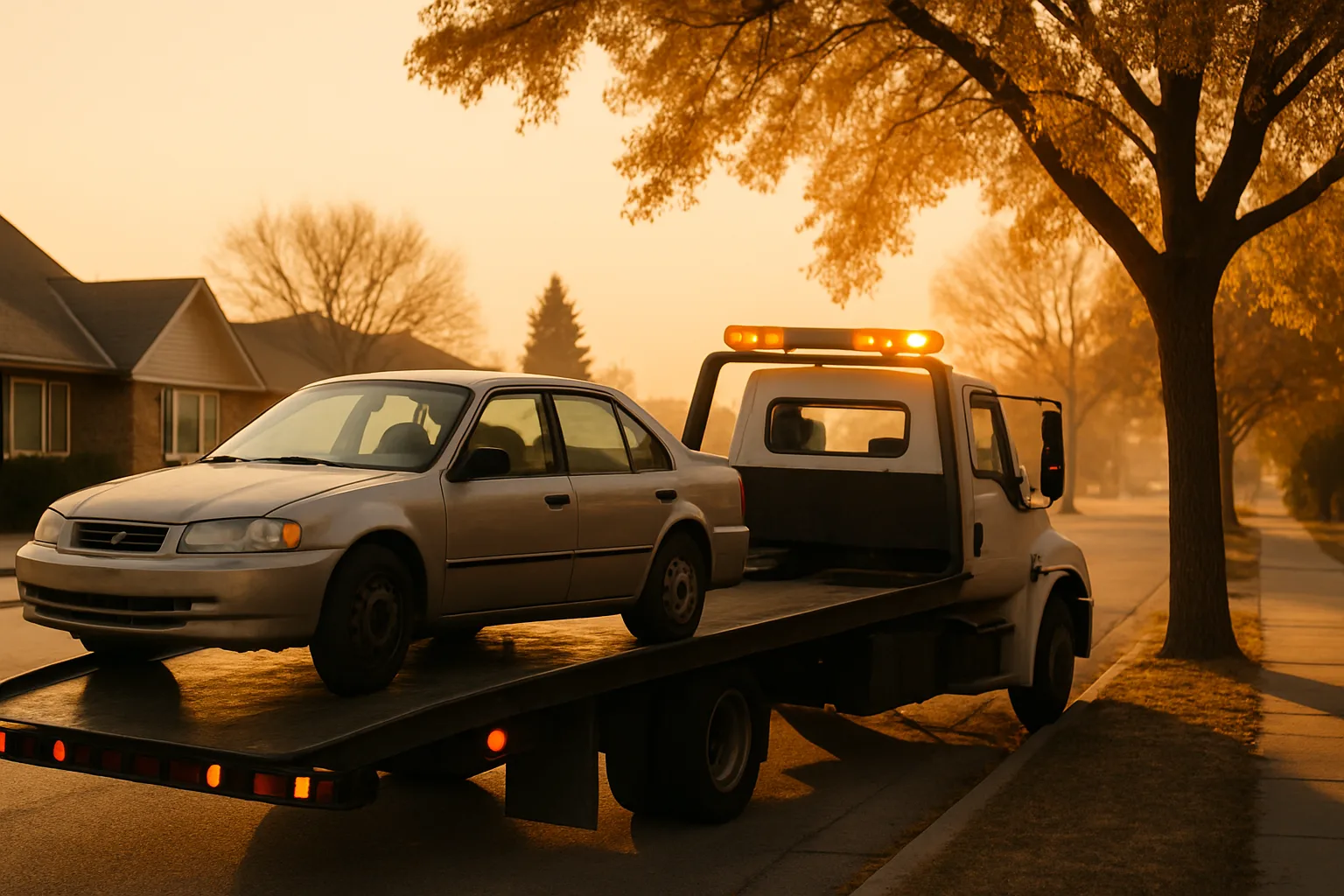
Why Your Scrap Car Is Worth More in Some Months Than Others
Most people assume a junk car sitting in the driveway is worth the same in January as it is in June. That assumption costs them money. Scrap metal prices shift with the seasons, and if you're sitting on an end-of-life vehicle in Medicine Hat, timing your sale can make a real difference in what you walk away with. This article breaks down exactly how weather and seasonal demand affect free scrap car pickup Medicine Hat values — and what you can do to make the most of it.
This isn't generic advice. Alberta's climate, local industrial activity, and the rhythms of the scrap metal recycling market all play a role. Understanding those patterns puts you in a better position when it's time to call in that junk car removal.
How Seasons Drive Scrap Metal Prices Across Canada
Scrap metal is a commodity. Like oil, grain, or lumber, its price moves with supply, demand, and external conditions. Scrap metal recycling Canada-wide follows predictable seasonal rhythms — not perfectly, but consistently enough that experienced yard operators plan around them.
Here's the general pattern most recyclers and auto dismantlers see year over year:
- Spring (March–May): Construction and manufacturing ramp up after winter. Steel mills need feedstock. Demand for prepared scrap increases. Prices often climb.
- Summer (June–August): Industrial activity peaks. Processing volumes are high. Prices tend to hold strong, sometimes pushing higher depending on export demand.
- Fall (September–October): A secondary uptick often happens as companies push to close out production targets before year-end. Another solid window for sellers.
- Winter (November–February): Cold weather slows logistics. Yards get harder to access. Processing slows down. Prices typically soften, and some buyers pull back entirely.
None of this is guaranteed — global steel demand, North American manufacturing output, and export conditions all shift the curve. But the seasonal baseline is real, and it affects what a junk car brings at the scale in Medicine Hat just as much as anywhere else in the country.
What Alberta Weather Does to Junk Car Pickup Logistics
Medicine Hat sits in one of the driest corners of Alberta, but that doesn't mean winter is easy. Hard freezes, road bans, and ice conditions affect towing equipment, yard access, and driver availability from November through March. Those operational headaches hit the recycling chain at every level.
When tow trucks can't easily move through back alleys or frozen rural properties, junk car removal Medicine Hat operations slow down. Yards get backed up. Buyers get selective. That can mean longer wait times for sellers and, in some cases, slightly lower offers because the logistics cost goes up on the yard's end.
There's also a practical consideration for the vehicle itself. A car that's been frozen into place — packed with snow, with seized components, sitting on ice — costs more to safely recover. That added effort sometimes factors into what a buyer is willing to pay. By contrast, a vehicle sitting on dry ground in June is straightforward to load and haul. Easier for them usually translates to better terms for you.
If your vehicle is accessible and the ground is clear, you're more likely to get a faster pickup window and a cleaner transaction. That's just the operational reality of running free scrap car pickup across Canada from GetMyScrapCar in a country with Alberta's winters.
The Case of the Spring Seller: What Better Timing Actually Looks Like
Here's a real-world scenario that plays out regularly in Alberta recycling circles. A vehicle owner in Medicine Hat has a 2009 pickup truck — blown transmission, 340,000 kilometres, not worth repairing. It's been sitting since October. They call around in December and get a lukewarm offer. The roads are rough, the yard is backed up with holiday logistics, and steel prices have softened heading into the new year.
They wait. They call again in April. The ground is clear. Spring construction is driving steel demand up. The same vehicle, same condition, fetches a noticeably better number — and the pickup is scheduled within 48 hours instead of two weeks.
That's not a guaranteed outcome. Prices fluctuate, and no one can promise the spring window will always be the right one. But the principle holds: timing matters, and sellers who understand the seasonal curve position themselves better than those who just call the first number they find.
Platforms like SMASH — Canada's B2B scrap recycling marketplace — exist precisely because single-buyer price guessing is a losing game for sellers. When you put a load in front of multiple vetted buyers through a competitive auction format, you're not relying on one yard's current mood or capacity. You're letting the market tell you what the load is actually worth. More buyers means better price discovery. That's the SMASH model, and it changes the math for serious volume sellers.
Secondary Factors That Affect Your Scrap Car's Value Year-Round
Seasons matter, but they're not the only variable. A few other factors affect what your vehicle is worth when you're ready to move it — regardless of the time of year.
Vehicle Weight and Metal Content
Scrap car value is largely driven by weight. A full-size half-ton truck brings more than a compact hatchback, simply because there's more steel to process. Heavier vehicles hold their value better during soft price periods because the absolute return is still meaningful even when the per-tonne rate dips.
Catalytic Converter Condition
Cats are a significant value driver on scrap vehicles. Platinum group metals — palladium, platinum, rhodium — hold independent value from the steel market. If your vehicle's catalytic converter is intact and original, that's a real number on top of the body steel value. Missing or stolen cats reduce the offer. Simple as that.
Completeness of the Vehicle
Stripped vehicles — missing doors, engines, wiring harnesses — are worth less than complete ones. If you've been pulling parts for a project or someone else has helped themselves to components over the years, expect the offer to reflect what's actually there.
Accessibility and Title Documentation
In Alberta, having the vehicle registration or title documentation ready speeds up the transaction. Some buyers require it. Others work with a bill of sale or declaration of ownership for older vehicles. Having your paperwork organized removes friction from the process and signals to buyers that the transaction is clean.
Current Export Demand
North American scrap metal moves into global steel markets. When Asian or European demand for North American scrap rises, domestic prices follow. When those markets slow, so does the price here. This is largely outside any individual seller's control, but it's worth knowing that international conditions ripple back to what a yard in Medicine Hat will offer on any given week.
How to Use Seasonal Awareness to Get the Most from Your Scrap Vehicle
You don't need to become a commodities analyst to sell your junk car well. A few practical habits make a real difference.
- Watch the calendar. If your car is sitting and you're not in a rush, avoid locking in a sale in December or January unless you need the money or the space urgently. Spring and late summer are generally stronger windows in Alberta.
- Get multiple quotes. One call to one yard is the old way. It tells you nothing about the market. Reach out to two or three buyers, or use a platform that puts your vehicle in front of vetted buyers without requiring you to manage the outreach yourself.
- Have your paperwork ready. Don't let documentation delays cost you a sale in a hot window. Know where your registration is before you start the process.
- Photograph the vehicle honestly. Buyers make faster decisions — and better offers — when they can see exactly what they're getting. Clear photos of the body, engine bay, interior, and catalytic converter reduce back-and-forth and build buyer confidence.
- Don't strip the vehicle yourself unless you know the trade-offs. Pulling a battery or a set of tires might net you a few dollars, but removing a catalytic converter or engine components can reduce your scrap offer by more than you gained.
When you're ready to move, schedule your free scrap car removal and lock in your quote before the window shifts. The process is straightforward, and towing is included — no hidden fees, no subscription nonsense.
For more guidance on getting the most from your end-of-life vehicle, read more junk car removal guides to understand what buyers look for and how the process works from pickup to payment.
Closing Thoughts: Timing Your Scrap Car Sale in Medicine Hat
The old way of selling a scrap car — one call, one guess, take it or leave it — leaves money on the table. Seasonal awareness, multiple quotes, and platforms like SMASH that bring competitive buyers to the table are the tools that change the outcome. You don't need to be a recycling veteran to use them. You just need to know they exist.
If your junk car is sitting in the driveway in Medicine Hat or anywhere else in Alberta, the market is moving with or without you. Get a free quote, understand what you've got, and pick the right moment to move. Head to getmyscrapcar.ca to schedule your free pickup and find out what your vehicle is worth today — no obligation, no pressure, just a clean transaction on your timeline.
Disclaimer: Scrap metal prices fluctuate based on market conditions, metal content, vehicle condition, and regional demand. Always check current rates before finalizing a sale.
Frequently Asked Questions
Q: When is the best time of year to sell a scrap car in Medicine Hat?
Spring and late summer are generally the strongest windows for scrap car sales in Medicine Hat and across Alberta. Steel demand rises with construction activity, and warmer weather makes pickup logistics easier and faster. Winter months — particularly December through February — tend to see softer prices and slower service windows.
Q: Does free scrap car pickup in Medicine Hat include towing at no cost?
Yes. Reputable junk car removal services in Medicine Hat include towing as part of the transaction — there's no separate towing fee charged to the seller. The pickup is arranged once you accept the quote, typically within a few business days depending on the season and current demand.
Q: Do I need a title or registration to sell my scrap car in Alberta?
Having your registration or title documentation makes the process faster and cleaner. Alberta buyers may also accept a bill of sale or statutory declaration for older vehicles where the original paperwork is unavailable. Contact your buyer ahead of time to confirm what documentation they require before scheduling pickup.
Q: How do I know if I'm getting a fair price for my junk car?
The best way to know is to get more than one quote. A single offer from a single yard tells you nothing about the actual market. Platforms like SMASH put your vehicle or scrap load in front of multiple vetted buyers through a competitive format, which gives you a much clearer picture of what the market will actually pay on any given day.
Q: Does cold weather damage a scrap car further while it's waiting for pickup?
Extended exposure to freeze-thaw cycles can accelerate rust and make components harder to recover cleanly, but for the purposes of scrap value, the steel is still steel. What cold weather affects more practically is the logistics of pickup — frozen ground, icy surfaces, and reduced driver availability can delay service timelines in Medicine Hat during deep winter months. If timing is flexible, scheduling for spring removes those variables entirely.
Follow SMASH on LinkedIn for scrap metal market updates, industry insights, and news from across the North American recycling space.