Junkyard, Salvage Yard, Auto Recycler — They're Not the Same Thing
Most people use these three terms interchangeably. That's understandable — they all deal with old, damaged, or end-of-life vehicles. But if you're trying to get the best scrap car value today, knowing the difference isn't just trivia. It directly affects how much money you walk away with and how smoothly the process goes.
Whether you're sitting on a rusted-out pickup in Burnaby or a flood-damaged sedan parked in a driveway somewhere in British Columbia, the type of facility you contact matters. Let's break it down clearly — no jargon, no filler.
What Is a Junkyard? (And Why the Name Tells You Something)
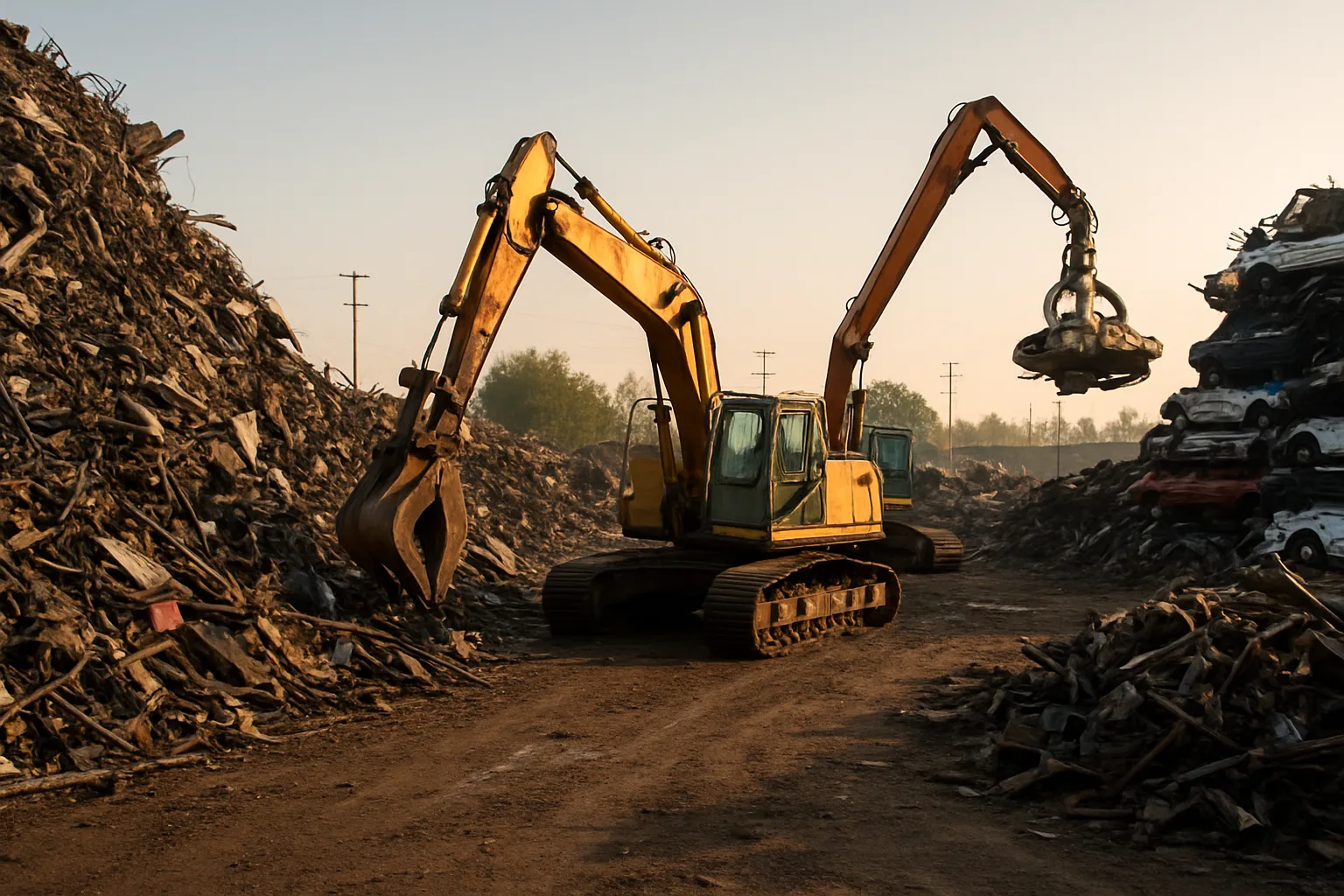
A junkyard is exactly what it sounds like: a large lot where old, wrecked, or otherwise useless vehicles go to sit. The business model is simple — buy vehicles cheap, sell off usable parts to walk-in customers, then eventually crush what's left and sell it as bulk scrap metal.
Junkyards are typically self-serve operations. You show up, pay a small entry fee, walk the rows of dead vehicles, and pull the parts yourself. That keeps their labour costs low. It also means pricing is inconsistent — the person behind the counter is often guessing what a part is worth the same way you are.
If you're trying to sell my junk car for cash, a junkyard might offer you something. But don't expect competitive pricing. They're set up to profit from parts and scrap weight, not to give you top dollar on the vehicle itself. They have no real incentive to bid against anyone — because there's nobody else bidding.
- Self-serve parts pulling is common
- Pricing is informal and often inconsistent
- Vehicle value is based primarily on scrap weight
- No formal documentation process in most cases
- Payment can be cash or cheque, but rarely auditable
What Makes a Salvage Yard Different?
A salvage yard operates at a higher level. Instead of letting customers dig through a dusty lot, they typically employ staff to dismantle vehicles systematically. Parts are catalogued, cleaned, tested (sometimes), and resold — often online or to auto repair shops and dealerships.
The focus is on recovering value from functional parts, not just scrap metal weight. A salvage yard might pay more for your car than a junkyard if it has desirable components — a late-model transmission, a low-mileage engine, or airbags that haven't deployed. They're also more likely to issue proper paperwork, including a bill of lading or transfer of ownership documentation.
In British Columbia, salvage yards must be licensed and follow provincial regulations around vehicle disposal, fluid handling, and title transfers. That's important if you want to make sure you're no longer liable for the vehicle after it leaves your driveway. If you're in Burnaby and looking at local options, confirm they're licensed before handing over your keys.
- Staff-dismantled vehicles — more systematic than a junkyard
- Parts are catalogued and often sold online
- Better payout potential if the vehicle has valuable components
- Formal documentation is standard practice
- Provincial licensing requirements apply
Auto Recyclers: The Professional End of the Spectrum
Auto recyclers are the most regulated and process-driven of the three. In Canada, many auto recyclers operate under provincial certification programs — in British Columbia, for example, the Automotive Retailers Association (ARA) sets standards for how vehicles are processed, fluids are handled, and parts are resold.
A certified auto recycler will drain all hazardous fluids — oil, coolant, brake fluid, refrigerant — before dismantling a vehicle. This isn't optional; it's required. They'll catalogue salvageable parts, process the scrap metal properly, and handle all title transfer documentation. You're not just selling a car. You're completing a formal end-of-life transaction for a regulated asset.
For the vehicle owner, this matters because auto recyclers tend to offer more transparency. You're more likely to understand exactly what your car is worth and why. The process is also cleaner — free scrap car pickup across Canada from GetMyScrapCar works within this professional framework, connecting vehicle owners with recyclers who handle the paperwork and the towing so you don't have to.
Here's what separates auto recyclers from the other two:
- Certified under provincial or national recycling standards
- Mandatory fluid extraction and hazardous material handling
- Formal parts inventory and resale process
- Complete documentation: title transfer, weight receipts, BOLs
- Often integrated with B2B scrap networks for metal processing
How Scrap Car Value Today Is Actually Determined
This is where most vehicle owners get confused — or taken advantage of. Scrap car value today depends on several variables working together, not just the weight of the vehicle. Understanding these factors helps you push back when a buyer lowballs you.
Ferrous metal prices drive the base value. Most of a car's weight is steel, which is a ferrous metal. When steel prices are up, scrap cars are worth more. When they drop, buyers offer less. This is a commodity market — it moves every week, sometimes every day.
Non-ferrous components add significant upside. Catalytic converters contain platinum, palladium, and rhodium. Copper wiring, aluminum wheels, and brass fittings all carry value above the base steel rate. If you're scrapping a vehicle with the catalytic converter still attached, make sure the buyer is factoring that in — or you're leaving money behind.
Usable parts are the variable most buyers don't talk about openly. If your transmission is functional or your engine has low mileage, a salvage yard or auto recycler might offer more than scrap weight alone. Ask directly. If they won't answer, that tells you something.
Location and towing distance affect the net offer. A facility in Burnaby can pick up a local vehicle cheaply. A buyer three hours away might offer slightly more but charge back towing costs. Always confirm whether the quote includes free pickup.
Platforms like SMASH — a Canada's B2B scrap recycling marketplace — exist precisely because price discovery in this industry has historically been opaque. When buyers compete for loads, the market reveals itself. That's better for everyone who has scrap to move.
Why the B2B Side of Scrap Metal Matters to You
Most vehicle owners never think about what happens after their car gets picked up. But the downstream process — how that scrap gets processed, bundled, and sold to mills and smelters — directly affects what recyclers can afford to pay you upfront.
In the old model, a recycler would call one or two known buyers, agree on a price, and move the material. No competition, no transparency, no way to know if the price was fair. The SMASH scrap metal auction format challenges that model. Recyclers list their material — shredded steel, non-ferrous loads, catalytic converter cores — and vetted buyers compete. That competition tends to produce better price discovery. What recyclers earn on the back end influences what they can offer you on the front end.
This isn't theoretical. The B2B scrap metal marketplace infrastructure behind your local recycler affects the economics of the entire chain. If you want to sell scrap car in Burnaby and get a fair price, you benefit when the recycler you work with has access to competitive downstream buyers — not just one phone call and a handshake deal.
If you want to understand more about how professional recyclers move material, read more junk car removal guides that break down the process step by step.
Which Type of Facility Should You Use?
The honest answer depends on what you have and what you want out of the transaction. Here's a practical framework:
- If your car has no working parts and is mostly structural steel: Any certified auto recycler or scrap buyer will do. Focus on getting free towing and confirmed pricing before they arrive.
- If your car has a working engine, transmission, or low-mileage powertrain: Contact a salvage yard or auto recycler who catalogues parts. Ask directly whether they'll pay a premium for functional components.
- If your car has a catalytic converter still attached: Make sure whoever you call accounts for converter value in their quote. Cats can carry significant value depending on the make and model.
- If you want zero hassle — no paperwork, no negotiating, no arranging towing: Use a full-service removal company. Schedule your free scrap car removal and let professionals handle everything from pickup to title transfer.
The worst move is calling one buyer, accepting the first number you hear, and assuming that's what the market offers. It might be fair. It might not be. You won't know unless you ask at least two or three places — or use a platform that brings buyers to you.
Frequently Asked Questions
Q: What determines scrap car value today in Canada?
Scrap car value today is driven by current ferrous metal prices (primarily steel), the weight of the vehicle, the presence of valuable non-ferrous components like catalytic converters and aluminum wheels, and whether any mechanical parts are salvageable. Prices fluctuate with commodity markets, so always get a same-day quote rather than relying on figures from last week or last month.
Q: Is it better to sell to a junkyard or an auto recycler in Burnaby?
For most vehicle owners in Burnaby, a certified auto recycler offers a more transparent and often better-compensated transaction than a traditional junkyard. Auto recyclers are provincially regulated, handle all paperwork, and typically have more competitive pricing structures because they process vehicles systematically and sell into organized scrap markets.
Q: Do I need to remove the catalytic converter before scrapping my car?
No — in most cases, you should leave it attached and make sure the buyer acknowledges its value in the quote. Catalytic converters contain precious metals (platinum, palladium, rhodium) that carry real market value. A reputable recycler will factor this into their offer. If they don't mention it, ask directly.
Q: How does SMASH help with scrap car recycling?
SMASH is a B2B scrap metal auction platform that helps auto recyclers and scrap yards sell processed material — like shredded steel and non-ferrous loads — to vetted buyers through a competitive auction format. More competition on the downstream sale means better price discovery for recyclers, which supports fairer pricing across the supply chain, including for vehicle owners selling scrap cars.
Q: Can I get free towing when I sell my junk car in British Columbia?
Yes. Most certified auto recyclers and full-service scrap car removal companies in British Columbia offer free towing as part of the transaction. Confirm this before you agree to anything — some buyers advertise high prices but deduct towing fees at pickup. Always get the final net number upfront.
If you've got a vehicle sitting around that's past its useful life, don't let it depreciate further. Get a free quote and schedule your free scrap car removal — no subscription, no hassle, and the paperwork gets handled for you. That's what professional scrap car removal in Canada looks like in 2026.
For ongoing scrap metal market insights and industry updates, follow SMASH on LinkedIn — it's where the recycling industry goes to stay sharp.