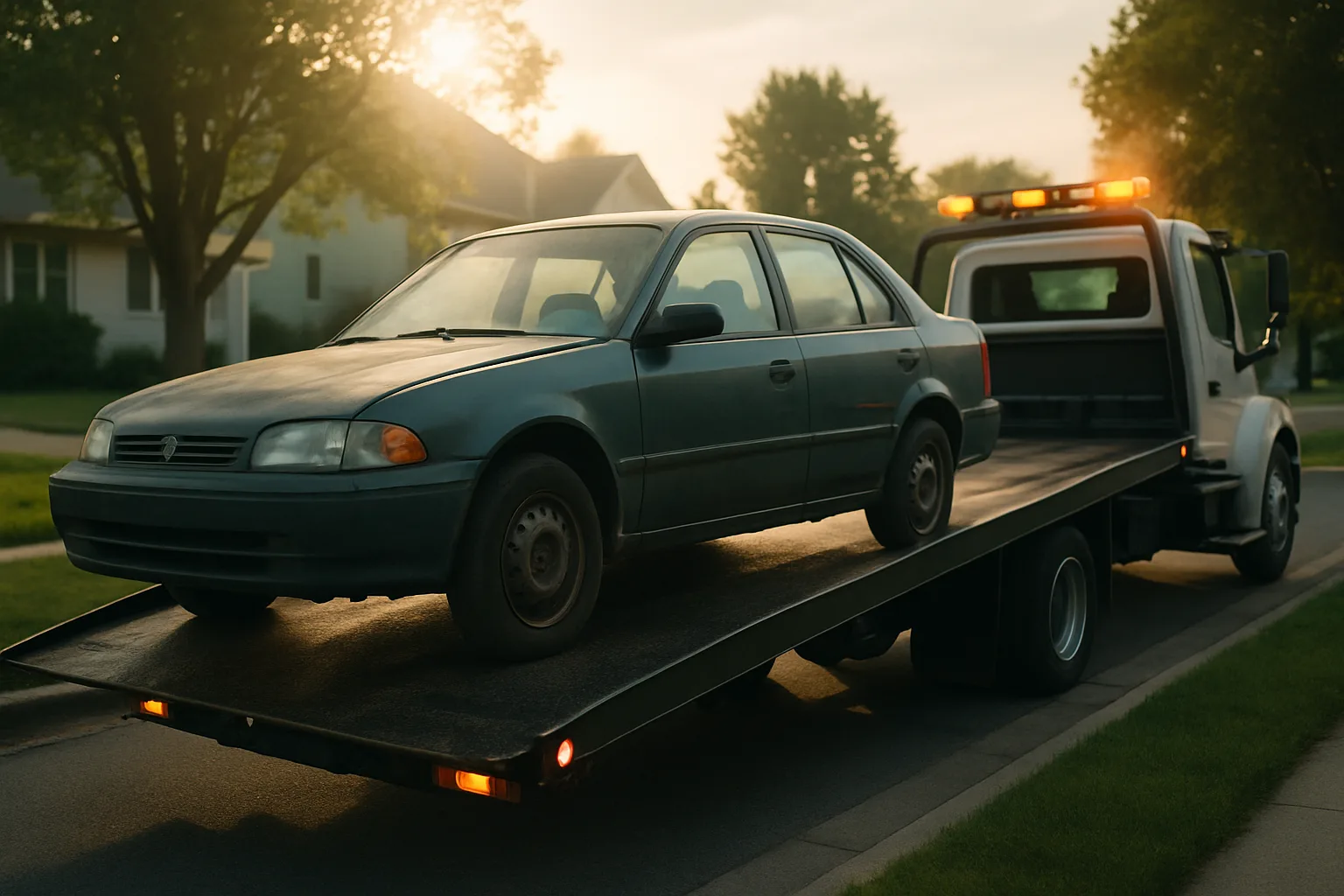
From Driveway to Dismantled: What Really Happens After Scrap Car Removal in St. John's
Most vehicle owners assume their old car gets crushed and that's the end of it. The reality is far more structured — and far more valuable — than that. After scrap car removal in St. John's, your vehicle enters a carefully sequenced process that recovers usable parts, reclaims raw materials, and ensures hazardous fluids never reach the ground. Understanding what happens behind the gates of an auto recycler changes how you think about scrapping your car.
This is a walkthrough of that process — from the moment your car arrives at the yard to the moment the last piece of steel gets loaded onto a flatbed. If you've got a junk vehicle sitting in your driveway in St. John's or anywhere across Newfoundland and Labrador, this is what happens next.
Step One: Intake, Documentation, and VIN Tracking
The first thing a licensed auto recycler does when your vehicle arrives is document it. That means recording the VIN, logging the make, model, year, and condition, and photographing the vehicle from multiple angles. This isn't bureaucracy for its own sake — it's the foundation of every transaction that follows.
VIN tracking connects the vehicle to its title history, flags potential stolen vehicle issues, and lets the recycler cross-reference parts against demand in their inventory system. Modern yards use scrap metal inventory management software that ties every part and every metal category back to that original VIN. Without it, a yard is guessing at what they have and what it's worth.
- VIN is logged and cross-checked against provincial records
- Condition notes are added — running, non-running, accident damage, rust levels
- Photos are taken for buyer-facing listings and internal documentation
- The vehicle is assigned a yard location for staging and workflow
Platforms like SMASH are built around exactly this kind of documentation discipline. When inventory is properly catalogued — with photos, condition notes, and accurate weights — buyers bid with more confidence, and sellers see better price discovery. That same logic applies whether you're running a load of catalytic converters or processing a full fleet of end-of-life vehicles.
Step Two: Fluid Extraction — The Part No One Talks About
Before anything gets cut, pulled, or crushed, a certified auto recycler drains every fluid from the vehicle. This step is non-negotiable from both an environmental and regulatory standpoint. Skipping it — or doing it sloppily — creates serious liability and causes real environmental damage.
The fluids removed include engine oil, transmission fluid, brake fluid, power steering fluid, coolant, and fuel. Each has a separate handling and disposal pathway. Refrigerants from the A/C system require specialized recovery equipment and certified technicians. Batteries — both lead-acid 12V units and the high-voltage packs in hybrid and electric vehicles — are removed and staged separately.
- Engine oil: Collected and sent to re-refining facilities
- Coolant: Drained, tested, and either recycled or disposed of as hazardous waste
- Fuel: Siphoned and either reused or disposed of per local regulations
- Refrigerants: Recovered with EPA/Environment Canada-compliant equipment
- Batteries: Removed whole and directed to battery recyclers
In Newfoundland and Labrador, auto recyclers must operate under provincial environmental standards that govern fluid management and parts storage. A legitimate yard — the kind that free scrap car pickup across Canada from GetMyScrapCar connects you with — meets those standards. Backyard operations often don't.
Step Three: Parts Harvesting — Where the Real Value Lives
Once the fluids are out, the dismantlers go to work. This is the most labor-intensive stage, and it's where a well-run recycler separates itself from a chop shop. Experienced dismantlers know which parts hold resale value, which are too worn to list, and which need testing before they go into inventory.
High-demand parts get pulled, cleaned, tested where applicable, and entered into the yard's inventory system with condition grades, part numbers, and photos. Engines, transmissions, and transfer cases are the big-ticket items. But doors, hoods, fenders, interior trim, wheels, and electrical components all have active resale markets — especially for older or discontinued models where new OEM parts are expensive or unavailable.
For junk car buyers near me in St. John's, the parts market is real. Island geography creates parts demand that mainland buyers sometimes underestimate. A transmission for a 2009 Ram 1500 sitting in a St. John's yard might be exactly what a Labrador owner needs to avoid a four-week shipping delay from the mainland.
- Engines and transmissions — tested or sold as-is with condition disclosure
- Body panels — doors, hoods, fenders, tailgates
- Catalytic converters — handled separately due to precious metal content
- Wheels, tires, and suspension components
- Electrical modules, sensors, and infotainment systems
- Interior components — seats, dashboards, consoles
This is also where compare scrap metal bids from Canadian buyers through SMASH becomes relevant for yards. When non-ferrous materials and cores like catalytic converters are being sold to processors, having multiple vetted buyers bidding on that material — rather than one phone call to one contact — changes the outcome. Competition reveals the market. A single phone call doesn't.
Step Four: The Hull Goes to the Crusher — Scrap Metal Recovery at Scale
After parts are stripped, what remains is the vehicle hull — the bare steel body, frame, and any remaining metal components. At this stage, the hull is staged for crushing or shredding. Larger yards operate their own crushers on-site. Smaller operations accumulate hulls and sell them in loads to regional processors equipped with industrial shredders.
A typical passenger vehicle hull yields roughly 1,000 to 1,500 lbs of shredded steel — often called "shred" in the industry — after processing. The shredded output is magnetically sorted to separate ferrous from non-ferrous materials. Aluminum, copper wiring, and other non-ferrous metals recovered in this stage have higher value per pound than steel and are sold separately to specialist buyers.
Proper scrap metal inventory management at this stage means knowing what's in the load before it ships — accurate weights, metal grades, and photo documentation. Buyers pricing a load of shred or non-ferrous material rely on that data. Yards that document accurately get better bids. Yards that guess get undercut.
For yards moving material from St. John's or anywhere in Atlantic Canada, load documentation also matters for logistics. Accurate Bill of Lading (BOL) details and packing lists keep shipments moving cleanly — no delays at the processor because the paperwork doesn't match the load.
Step Five: What You Actually Get Paid For — And Why Documentation Matters
When you sell your car for scrap, the price you receive is based on the vehicle's weight, metal composition, age, and the current market for ferrous and non-ferrous materials. A typical end-of-life passenger vehicle might yield a few hundred dollars in scrap value, though this fluctuates with commodity markets.
What you don't get paid for — and what most vehicle owners don't realize — is the parts value that gets recovered after you hand over the keys. That value stays in the recycling ecosystem. It helps fund operations, keeps part prices reasonable for repair shops, and extends the life of vehicles that might otherwise be written off entirely.
This is why choosing a legitimate, licensed buyer matters. When you schedule your free scrap car removal through GetMyScrapCar, you're dealing with vetted buyers who operate transparently — clear offers, no last-minute lowballing after they've already towed your car.
Disclaimer: Scrap metal prices fluctuate with global commodity markets. Always confirm current rates at the time of your transaction. The figures referenced here are general estimates only.
Why This Process Matters for Vehicle Owners in St. John's
Knowing what happens after pickup gives you leverage. You understand why a properly documented vehicle — one where the title is clear, the VIN is accessible, and the condition is accurately described — commands a cleaner transaction than a mystery vehicle with no paperwork.
It also helps you avoid bad actors. Unlicensed buyers who skip fluid extraction, ignore parts inventory, and dump hulls improperly aren't just cutting corners — they're creating environmental liability and depressing the local market. St. John's has a legitimate, active scrap and recycling sector. Use it properly.
If your car is sitting unused, rusting in a driveway or yard in St. John's, it's losing value every season. Atlantic weather accelerates rust and deterioration. The longer you wait, the less steel remains. Getting a quote now, understanding the process, and scheduling pickup through a service like GetMyScrapCar is the practical move. You can also read more junk car removal guides to understand every stage of the process before you commit.
Ready to move forward? Get a free quote for your scrap car anywhere in Canada and schedule your free scrap car removal at getmyscrapcar.ca. No obligation. No guessing. Just a straightforward offer and free towing to your door.
Frequently Asked Questions
Q: How long does scrap car removal in St. John's take from booking to pickup?
Most pickups are scheduled within 24 to 48 hours of your initial quote. In some cases, same-day pickup is available depending on the yard's capacity and your location within the St. John's area. The process is fast — you don't need to be home in some cases, just accessible keys and a clear title.
Q: Do I need to remove personal belongings before the tow truck arrives?
Yes. Clear out all personal items before pickup — glove compartment, trunk, under seats. Once the vehicle leaves your property, recovering items from a scrapyard is difficult and sometimes impossible. Take five minutes to sweep the car before the driver arrives.
Q: Will I get paid the same day my car is picked up?
Most legitimate junk car buyers in St. John's pay on the spot — either cash or e-transfer at the time of pickup. Confirm the payment method when you accept your quote so there are no surprises when the driver arrives.
Q: What documents do I need to sell my car for scrap in Newfoundland and Labrador?
You'll typically need the vehicle registration and proof of ownership. If the title is lost, contact Service NL before arranging pickup — the recycler needs to confirm ownership to process the vehicle legally. Some yards accept a statutory declaration in cases where the title has been lost.
Q: Can I scrap a car that doesn't run or has significant body damage?
Absolutely. Non-running, accident-damaged, and heavily rusted vehicles are routinely accepted by scrap car buyers. The vehicle doesn't need to drive — it just needs to be accessible for towing. Most buyers factor non-running status into their quote upfront, so there's no surprise deduction when the truck arrives.
---Stay current on scrap metal market trends and recycling industry news — follow SMASH on LinkedIn for regular updates from across the North American scrap market.