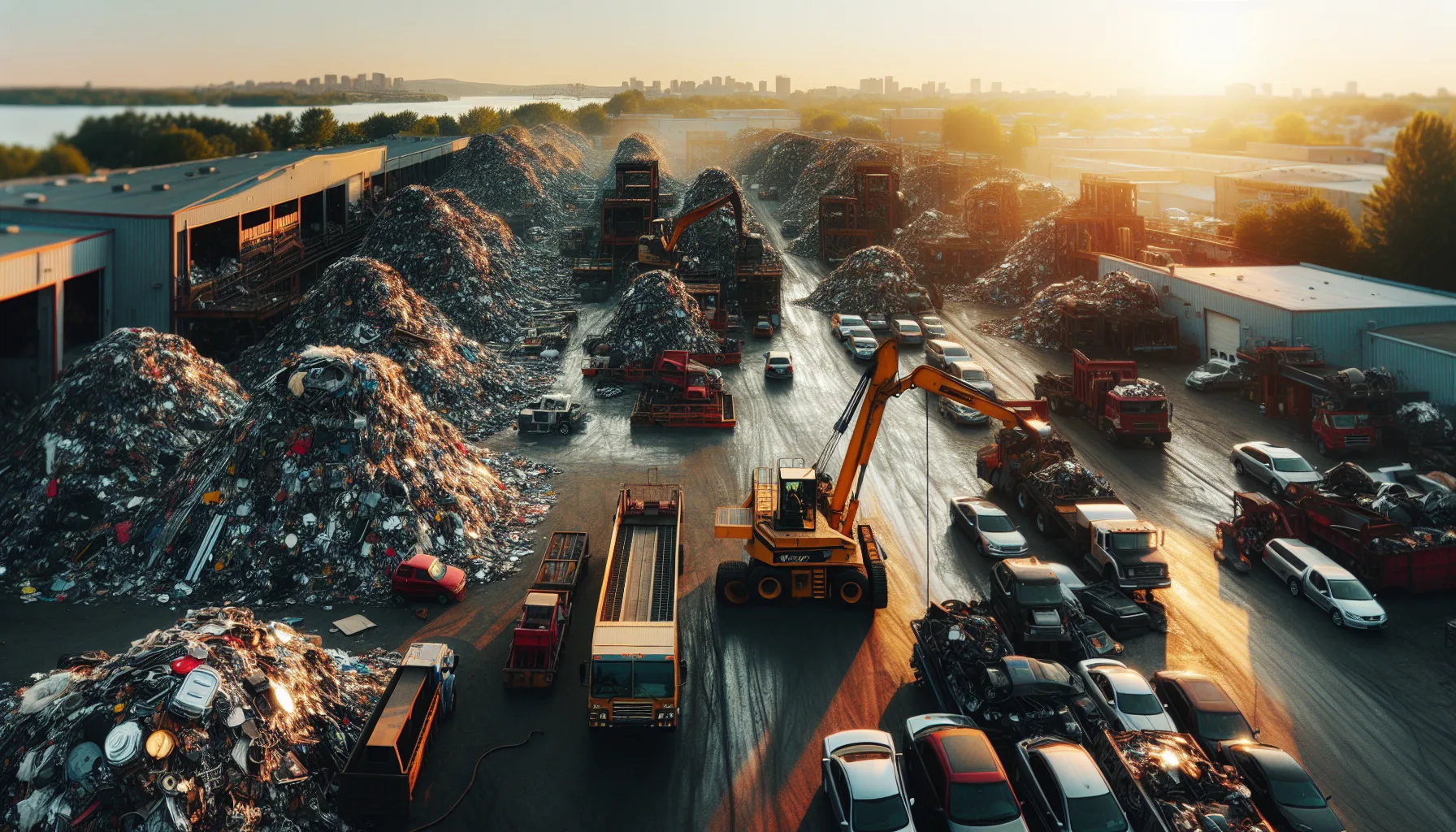
Ever wondered what happens to your old vehicle after the tow truck drives away? The journey from your driveway to the auto recycler involves a sophisticated process that extracts maximum value while protecting the environment. Understanding this process helps you make informed decisions when searching for scrap car removal Gatineau services and ensures you're working with legitimate, environmentally responsible recyclers.
The Initial Assessment and Documentation Process
When your vehicle arrives at the auto recycling facility, it doesn't immediately head to the crusher. Professional recyclers begin with thorough documentation and assessment procedures that determine the vehicle's recycling pathway. The first step involves verifying the vehicle identification number (VIN) and ensuring all legal requirements are met for proper title transfer.
Trained technicians conduct a comprehensive evaluation to identify valuable components, hazardous materials, and recyclable metals. This assessment determines whether parts can be resold, which fluids need extraction, and how much scrap metal the vehicle contains. For residents seeking junk car buyers near me Gatineau, this initial evaluation directly impacts the price you receive for your vehicle.
The documentation process also includes photographing the vehicle's condition, recording mileage, and noting any aftermarket modifications or valuable components. This information feeds into inventory management systems that track parts availability for customers seeking used auto parts. Modern recyclers use sophisticated software to catalog every component, making it easier to locate specific parts when customers need them.
Fluid Drainage and Hazardous Material Removal
Before any dismantling begins, certified technicians safely remove all fluids and hazardous materials from your vehicle. This critical step protects both workers and the environment while recovering valuable resources. Engine oil, transmission fluid, brake fluid, coolant, and gasoline are carefully drained using specialized equipment that prevents spills and contamination.
The removal process follows strict environmental regulations that have become even more stringent in 2026. Quebec's environmental protection standards require auto recyclers to use certified containment systems and properly dispose of or recycle every fluid removed from vehicles. This regulatory framework ensures that facilities processing vehicles from scrap car removal Gatineau operations meet the highest environmental standards.
Air conditioning refrigerant requires special handling due to its environmental impact. Certified technicians use recovery machines to capture and store refrigerant for proper disposal or recycling. Mercury-containing components, such as certain switches and lighting elements in older vehicles, are carefully removed and sent to specialized processing facilities.
Battery removal follows specific protocols since automotive batteries contain lead and sulfuric acid. Modern recycling facilities have dedicated battery storage areas with containment systems to prevent acid spills. These batteries are sent to specialized recycling facilities where the lead and plastic components are separated and processed into new products.
Component Harvesting and Parts Inventory
After fluid removal, skilled dismantlers begin the systematic removal of reusable components. This process requires extensive knowledge of automotive systems and varies significantly based on the vehicle's make, model, year, and condition. High-demand components like engines, transmissions, and electronic modules receive priority attention during dismantling.
The parts harvesting process has evolved significantly with advances in automotive technology. Modern vehicles contain sophisticated electronic systems, advanced safety features, and lightweight materials that require specialized handling. Dismantlers must understand hybrid and electric vehicle systems, advanced driver assistance technologies, and complex infotainment systems to safely extract valuable components.
Each removed component undergoes testing and evaluation before entering inventory. Engines are compression tested, transmissions are checked for proper shifting, and electronic modules are scanned for fault codes. This quality control process ensures that customers purchasing used parts receive components that meet performance standards.
The inventory management system tracks every component's condition, compatibility, and location within the facility. When customers search for specific parts, this system quickly identifies available inventory and provides detailed condition reports. This efficiency benefits both recyclers and customers seeking affordable automotive components.
Metal Separation and Processing
Once valuable components are removed, the vehicle's shell undergoes metal separation and processing. This stage transforms what remains into valuable raw materials for manufacturing new products. The process begins with removing any remaining non-metallic materials like glass, plastic trim, and interior components.
Modern auto recyclers use sophisticated separation techniques to maximize metal recovery and purity. Magnetic separators remove ferrous metals, while eddy current separators extract non-ferrous metals like aluminum and copper. These separated materials command different prices in the B2B scrap metal marketplace, making efficient separation crucial for maximizing revenue.
The metal processing stage involves sizing the materials for transportation and further processing. Hydraulic shears cut larger pieces into manageable sizes, while specialized equipment processes different metal types according to industry specifications. Steel mills and foundries have specific requirements for scrap metal grades, and recyclers must meet these standards to receive top market prices.
Advanced facilities now use spectral analysis equipment to identify metal compositions precisely. This technology ensures accurate sorting and helps recyclers command premium prices for high-grade materials. The investment in sophisticated separation equipment reflects the growing value of recycled metals and the importance of quality in the global scrap metal market.
Environmental Compliance and Waste Management
Auto recycling facilities operate under comprehensive environmental regulations that govern every aspect of their operations. These regulations have become increasingly strict in 2026, with Quebec implementing enhanced monitoring requirements and stricter penalties for violations. Facilities must maintain detailed records of all materials processed, fluids collected, and waste generated.
The environmental compliance framework includes regular inspections by provincial environmental authorities. Recyclers must demonstrate proper storage of hazardous materials, appropriate containment systems, and approved disposal methods for non-recyclable waste. This regulatory environment ensures that facilities handling vehicles from Quebec maintain the highest environmental standards.
Storm water management represents a critical aspect of environmental compliance. Auto recycling facilities must prevent contaminated runoff from entering groundwater or surface water systems. This requires sophisticated drainage systems, oil-water separators, and regular monitoring of water quality. These systems protect local water resources while allowing recyclers to operate efficiently.
Waste minimization strategies focus on maximizing the percentage of each vehicle that gets recycled or reused. Modern recycling facilities achieve recycling rates exceeding 85% by weight, with the remaining materials consisting primarily of automotive shredder residue that undergoes specialized processing. Continuous improvement in recycling techniques helps facilities approach the goal of zero-waste operations.
The Final Processing and Market Distribution
The final stage involves preparing materials for distribution to end users in various manufacturing industries. Processed metals are packaged according to customer specifications and loaded for shipment to steel mills, foundries, and other manufacturing facilities. This distribution network connects local recycling operations to global markets for recycled materials.
Quality control measures ensure that processed materials meet industry standards for purity and composition. Steel mills require specific grades of scrap metal for different products, and recyclers must consistently deliver materials that meet these specifications. This quality focus has made recycled automotive steel an essential input for new vehicle manufacturing.
The timing of material sales depends on market conditions and inventory levels. Experienced recyclers monitor metal prices through platforms like SMASH, which provides real-time market data and connects recyclers with buyers across Canada. This B2B scrap metal marketplace helps recyclers optimize their sales timing and maximize revenue from processed materials.
Transportation logistics play a crucial role in the final processing stage. Recyclers coordinate shipments to minimize transportation costs while ensuring timely delivery to customers. This logistics management requires sophisticated planning, especially for facilities serving the broader Quebec market and shipping materials across Canada.
The economic value extracted from each vehicle depends on multiple factors including metal prices, component demand, and processing efficiency. When residents ask how much is my scrap car worth, the answer reflects this complex value chain that transforms end-of-life vehicles into valuable raw materials and components. Platforms like SMASH make it easier for vehicle owners to understand current market conditions and connect with reputable buyers who offer fair prices based on actual market values.
Understanding this comprehensive recycling process helps vehicle owners make informed decisions when selecting free scrap car pickup across Canada from GetMyScrapCar services. The complexity of modern auto recycling demonstrates why working with established, licensed facilities matters for both environmental protection and fair compensation. Professional recyclers invest heavily in equipment, training, and compliance systems that ensure every vehicle receives proper processing while maximizing value recovery.
For those ready to schedule your free scrap car removal, knowing that your vehicle will undergo this systematic, environmentally responsible process provides peace of mind. The auto recycling industry continues evolving with new technologies and regulations that improve environmental outcomes while creating economic value from end-of-life vehicles.
To learn more about the auto recycling industry and stay informed about market trends, read more junk car removal guides covering various aspects of vehicle disposal and recycling. Additionally, those interested in comparing current market rates can compare scrap metal bids from Canadian buyers to understand how market conditions affect vehicle values.
Frequently Asked Questions
Q: How long does the entire recycling process take after my car is picked up in Gatineau?
The complete recycling process typically takes 2-4 weeks from pickup to final material distribution. Initial processing and parts removal occur within the first few days, while metal processing and market distribution depend on facility capacity and market conditions. Most valuable components are removed and cataloged within 48 hours of arrival.
Q: What percentage of my vehicle actually gets recycled?
Modern auto recycling facilities achieve recycling rates of 85-90% by weight. Approximately 75% consists of steel and other metals that are melted down for new products, while 10-15% includes reusable parts and components. The remaining 10-15% consists of materials like certain plastics and composites that require specialized processing.
Q: Do I need to remove personal items before scrap car removal in Gatineau?
Yes, you should remove all personal belongings before pickup. While recyclers will check for and return obvious personal items, the facility cannot be responsible for valuable items left in vehicles. Remove items from the glove compartment, trunk, under seats, and any storage compartments.
Q: How do recyclers determine the value of my scrap car?
Vehicle value depends on current metal prices, weight, reusable parts condition, and year/make/model. Recyclers assess the vehicle's potential parts value, scrap metal content, and processing costs. Market conditions for both used parts and scrap metal significantly influence offers.
Q: Are there environmental certificates or documentation provided after recycling?
Licensed auto recyclers provide a certificate of destruction or recycling that serves as proof of proper disposal. This document protects you from future liability and confirms that your vehicle was processed according to environmental regulations. Keep this certificate for your records.
Ready to see this process in action with your own vehicle? Get a free quote for your scrap car in Canada and experience the professional, environmentally responsible service that makes vehicle disposal simple and rewarding. Schedule free pickup at getmyscrapcar.ca and join thousands of Canadian vehicle owners who have discovered the value hidden in their end-of-life vehicles.
Stay connected with industry developments and scrap metal market insights by following SMASH on LinkedIn at https://www.linkedin.com/company/scrap-metal-auction-sales-hub for the latest updates on recycling trends and market conditions across Canada.