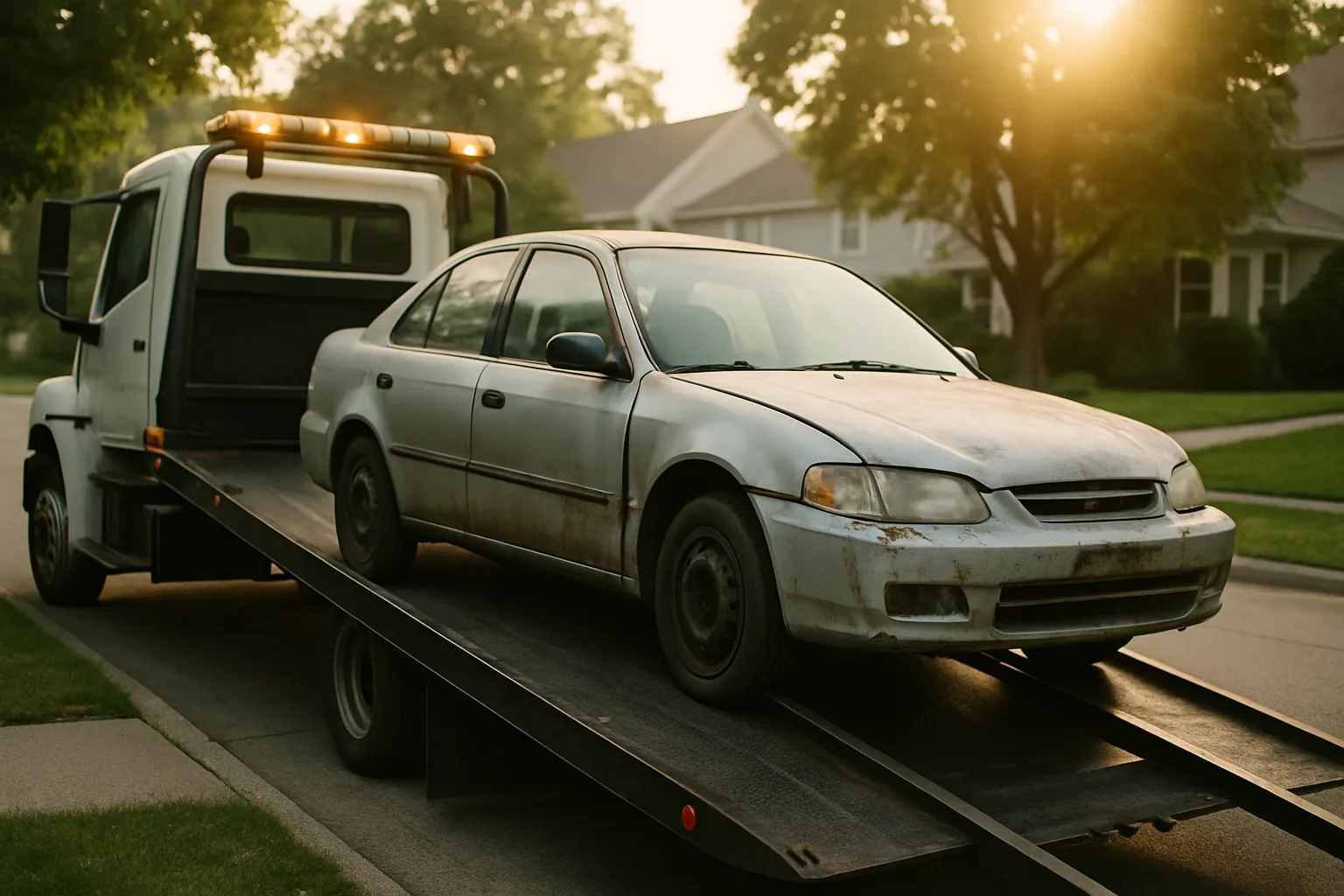
Most people have no idea that roughly 85% of a scrapped vehicle gets recycled — tires, fluids, metals, and all. If your old car is sitting in a Quebec City driveway collecting rust, it isn't just an eyesore. It's a pile of recoverable materials that someone will pay you to haul away. Understanding scrap car value today — and how the recycling process actually works — helps you make smarter decisions and avoid leaving money on the table.
Eco-friendly car disposal isn't just a feel-good buzzword. It's a structured, regulated process that keeps hazardous fluids out of the ground, recovers valuable metals, and gives end-of-life vehicles a second life in the supply chain. Here's how it works, why it matters, and how to navigate it as a vehicle owner in Quebec.
What Actually Happens When You Scrap a Car in Canada
A lot of people picture scrapping a car as dropping it off and watching it get crushed. The reality is more involved — and more responsible. Licensed auto recyclers follow a multi-step dismantling process designed to extract maximum value while minimizing environmental harm.
Here's the general sequence at a certified facility:
- Depollution: Technicians drain all fluids first — engine oil, coolant, transmission fluid, brake fluid, and refrigerants. These are collected separately and processed or disposed of according to Quebec's environmental regulations.
- Parts removal: High-demand components get pulled before the car is crushed. Catalytic converters (cats), batteries, alternators, starters, and usable body panels are catalogued for resale or remanufacturing.
- Shredding and sorting: The hulk goes through an industrial shredder. Ferrous metals (steel, iron) are separated magnetically. Non-ferrous metals like aluminum and copper are recovered through air classification and eddy current systems.
- Material sale: Sorted metal gets sold to mills and smelters. This is where the commodity market — and platforms like the SMASH Recycling auction platform — come into play for yards managing large volumes of material.
Every step exists for a reason. Skipping depollution, for example, isn't just an environmental violation in Quebec — it's a liability that can shut a yard down. Reputable recyclers don't cut corners here.
Why Eco-Friendly Disposal Directly Affects Scrap Car Value Today
Here's something most vehicle owners don't connect: the way a car is processed affects what you get paid for it. Yards that run efficient, documented operations — proper scrap metal inventory management, clean metal separation, accurate weight tickets — tend to offer more competitive quotes. They know exactly what they're getting, and they price accordingly.
Contrast that with informal buyers who skip the paperwork, skip the depollution, and disappear after handing you cash. Those operations often pay less, create liability for the seller (improperly transferred titles in Quebec can come back to bite you), and contribute to environmental problems that eventually tighten regulations on everyone in the industry.
The variables that most influence scrap car value today include:
- Vehicle weight: A full-size pickup or SUV yields significantly more steel than a compact sedan. Heavier vehicles generally return more at the scale.
- Catalytic converter condition: Cats contain platinum, palladium, and rhodium — precious metals with real market value. A working cat on a late-model vehicle adds meaningful value to your load.
- Current steel and aluminum prices: Commodity markets move. The price you get quoted this week may differ from what you'd get next month. That's not the yard playing games — it's the market.
- Vehicle completeness: Missing an engine? Stripped interior? Expect a lower offer. Yards price based on what they can recover.
- Location and access: In Quebec City and surrounding areas, yards factor in towing distance and fuel costs when quoting free pickup.
Disclaimer: Scrap metal prices fluctuate with global commodity markets. Always check current rates before making decisions based on price.
How Quebec's Environmental Rules Shape the Scrapping Process
Quebec has some of the more detailed end-of-life vehicle regulations in Canada. The province's framework aligns with national guidelines around hazardous waste handling but adds provincial-specific requirements for licensed dismantlers operating in Quebec City and beyond.
If you're selling your car to a Quebec recycler, you want to verify a few things:
- The facility holds valid provincial operating permits.
- They issue a proper bill of sale or transfer receipt — this removes your name from the vehicle registration liability.
- They follow MERN (Ministère des Ressources naturelles et des Forêts) or MELCCFP guidelines for fluid disposal.
This matters practically. If a buyer takes your car without proper transfer documentation and the vehicle gets involved in something — a violation, an accident, an abandoned property complaint — you may still be on the hook. Protecting yourself means working with licensed operators, full stop. The Quebec City scrap metal services available through GetMyScrapCar connect you with vetted, compliant buyers — not fly-by-night operations.
Beyond personal protection, provincial rules exist because improperly disposed vehicles are genuine environmental hazards. A single car contains several liters of fluids capable of contaminating soil and groundwater if released without treatment. Multiply that by thousands of vehicles per year and you understand why Quebec regulates this sector closely.
Sell Your Scrap Car Quebec City: What the Local Market Looks Like
Quebec City sits within a broader regional scrap ecosystem that includes active recycling yards, established buyers, and access to transport infrastructure. That's good news if you're trying to sell scrap car Quebec City — there's real competition for material, and competition generally helps price discovery.
That said, not all offers are equal. Vehicle owners who call a single buyer and accept the first number they hear often leave value behind. The smarter move is to get multiple quotes — and platforms that bring competitive buyers to your material do exactly that. This is where the SMASH scrap metal auction model makes sense for the industry: instead of one call to one buyer, yards and sellers expose their material to a vetted pool. More eyes on your load means better information about what it's actually worth.
For individual vehicle owners in Quebec City, the process is more direct — contact a removal service, get a quote, schedule pickup. But understanding that the yard buying your car is itself operating in a competitive downstream market helps explain why prices vary and why it pays to shop around.
A few things that make Quebec City's local market distinct:
- Seasonal volume spikes — spring and fall tend to see more vehicle turnover as owners deal with winter-damaged cars.
- French-language documentation requirements for title transfer — legitimate buyers handle this correctly.
- Provincial scrap dealer licensing that provides an additional layer of consumer protection.
The Role of Documentation and Transparency in Responsible Recycling
Eco-friendly disposal isn't just about what happens to the fluids and metal. It's also about the paper trail. Responsible recycling means documented transactions — accurate weights, itemized receipts, serial number tracking on high-value components, and proper title transfer. Without documentation, there's no accountability.
This is an area where technology has genuinely changed the scrap industry. Tools that support photo documentation, VIN lookup, and serial tracking give both buyers and sellers confidence in what's being exchanged. When a yard can document what came in, what was recovered, and what was sold downstream, it builds the kind of credibility that attracts better buyers and supports better pricing.
SMASH brings this kind of structured approach to scrap metal transactions. By connecting documented inventory with vetted buyers through a competitive auction format, SMASH helps yards operate transparently — and that transparency benefits the whole chain, including the vehicle owners who start it. Platforms like the SMASH Recycling auction platform are pushing the industry toward cleaner, better-documented transactions at scale.
For vehicle owners, the takeaway is simple: work with buyers who provide receipts, complete the title transfer, and can answer basic questions about where your vehicle goes. That's not a high bar — it's table stakes for responsible recycling in Quebec.
How to Prepare Your Junk Car for Eco-Friendly Pickup
You don't need to do much before your scrap car gets picked up — that's the point of a full-service removal. But a few steps on your end make the process smoother and may protect you from unnecessary hassle.
Before your pickup date:
- Remove personal belongings. Check under seats, in the trunk, and in door pockets. People find everything from cash to important documents during post-removal searches of scrapped cars — but at that point, the car is gone.
- Cancel your insurance. Once the vehicle is transferred, you don't need coverage. Cancelling promptly avoids paying for a car you no longer own.
- Handle the plates. In Quebec, license plates belong to the owner, not the vehicle. Remove them before pickup and return them to the SAAQ, or transfer them if you have another vehicle.
- Gather your documentation. Your vehicle registration and proof of ownership speed up the transfer process.
- Leave the fluids. Don't drain the car yourself unless you have proper containment. The recycler handles this — it's part of their depollution process and they're equipped for it.
That's genuinely it. A reputable service doing free scrap car pickup across Canada from GetMyScrapCar handles the towing, the paperwork, and the processing. Your job is to be ready with the title and a clear path for the tow truck.
If your car is in Quebec City and you're ready to move it, the process is fast. Most removals get scheduled within a day or two. The goal is zero friction — you get paid, the car gets recycled responsibly, and you're done.
Ready to turn that rusting vehicle into cash without the hassle? Schedule your free scrap car removal today and get a straightforward quote from buyers who actually compete for your vehicle. Or read more junk car removal guides if you want to keep learning before you commit.
Frequently Asked Questions
Q: What is my scrap car worth today in Quebec City?
Scrap car value today depends on your vehicle's weight, condition, and the current price of steel and non-ferrous metals. A typical end-of-life passenger car in Quebec City might yield anywhere from a modest cash amount to several hundred dollars depending on market conditions — but prices fluctuate, so always get a current quote. Catalytic converter condition, vehicle completeness, and your location all factor in.
Q: Is free towing actually free, or are there hidden fees?
With GetMyScrapCar, the towing is genuinely free — no deductions from your quote for pickup. The price you're offered is what you receive. That said, always confirm this upfront with any removal service you contact. Some operations in Quebec City quote high, then subtract towing costs at pickup.
Q: Do I need to drain my car's fluids before it gets picked up?
No. Licensed auto recyclers handle depollution as part of their standard process — it's legally required in Quebec. Don't attempt to drain fluids yourself unless you have proper containment equipment. Leave it to the recycler.
Q: What happens to my car's catalytic converter when it's scrapped?
Catalytic converters (cats) are removed during dismantling and processed for their precious metal content — platinum, palladium, and rhodium. They're one of the higher-value components in an end-of-life vehicle. Make sure your cat is still on the car when it's picked up; missing cats reduce your quote.
Q: How do I confirm the title transfer is handled correctly in Quebec?
Ask the buyer for a signed bill of sale and confirm they're a licensed Quebec scrap dealer. You should also notify the SAAQ that the vehicle has been sold. A reputable removal service will walk you through the documentation — if a buyer is vague about paperwork, that's a red flag.
Stay current on scrap metal market trends and industry news by following SMASH on LinkedIn: follow SMASH on LinkedIn for regular updates on scrap metal markets and recycling industry insights.
```