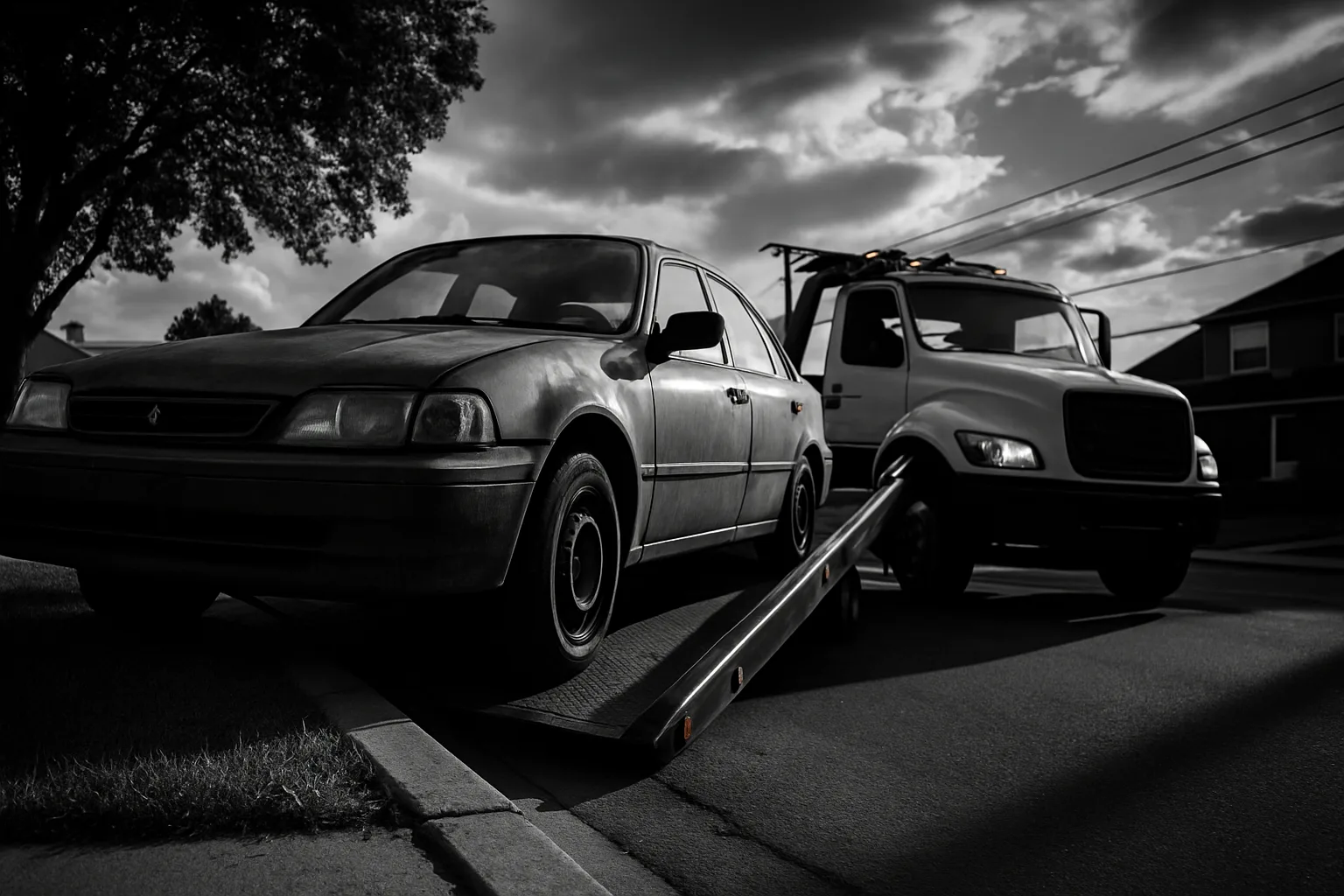
Before You Call for Pickup, Do These 6 Things First
Most vehicle owners leave hundreds of dollars on the table when scrapping a car — not because the market is bad, but because they didn't prepare. If you're planning free scrap car pickup in Laval or anywhere else in Quebec, a little prep work before the tow truck arrives can make a real difference in what you walk away with. This isn't complicated. It's just a checklist most people skip.
The scrap vehicle market in 2026 is more competitive than it's been in years. Platforms like Canada's B2B scrap recycling marketplace SMASH have changed how recyclers buy and price end-of-life vehicles. That's good news for sellers — but only if your paperwork, parts, and personal items are sorted before pickup day.
Step 1 — Remove Your Personal Belongings (All of Them)
It sounds obvious. People still leave wallets, sunglasses, registration documents, and even cash in vehicles that get crushed. Once that car leaves your driveway, it's gone. So is everything in it.
Do a full sweep. Open every compartment — glove box, centre console, under the seats, the trunk, and the spare tire well if you have one. Check the sun visor pockets. Pull the floor mats and look underneath. If you have a roof rack or aftermarket accessories attached to the exterior, decide now whether those come off before pickup or stay with the car.
- Personal documents: registration, insurance slips, any toll pass or parking permit
- Electronics: charging cables, dash cams, GPS units, USB drives
- Tools or emergency kits stored in the trunk
- Child car seats — these do not transfer with the vehicle
- Any garage door openers clipped to the visor
This step costs you nothing but fifteen minutes. Missing it can cost you significantly more.
Step 2 — Cancel Your Insurance and Return Your Plates
In Quebec, your license plates stay with you — not the vehicle. When you scrap a car, you return your plates to the SAAQ and cancel your registration. If you don't, you may continue paying insurance on a vehicle you no longer own, and you could face administrative headaches down the road.
Call your insurer before pickup day and let them know the car is being scrapped and the date it's leaving. Request a refund for any unused premium. Depending on your policy and how far into your term you are, there may be a meaningful refund waiting for you. Don't leave that money with the insurance company by forgetting to call.
If you're scrapping a car in Laval and you're unsure about SAAQ requirements, the process is straightforward — but confirm the steps with a local SAAQ service point or their online portal before the tow truck shows up. Having your paperwork in order protects you from liability after the vehicle changes hands.
Step 3 — Gather Your Title and Ownership Documents
This is the step that trips up the most people. You need proof that you own the vehicle before any legitimate scrap yard or removal service will touch it. In Quebec, that means your vehicle registration certificate and, in most cases, a valid piece of ID.
If you've lost your title or registration, don't panic — but act early. Getting a replacement through the SAAQ takes time, and you don't want to delay your pickup because paperwork wasn't sorted. Some services do handle situations where titles are missing, but it complicates the transaction and may affect your offer.
A common search people run is sell my junk car without a title near me — and while it's technically possible in some cases, it's always cleaner to have your documents ready. Buyers move faster, offers are firmer, and there's no back-and-forth over liability. If there's a lien on the vehicle, you'll need to address that with your lender before the car can be legally transferred.
Step 4 — Pull Valuable Parts Before the Tow Truck Arrives
A scrap yard is going to pay you based on weight and the current metal composition of your vehicle. They're not paying a premium for a functioning alternator or a set of barely-used winter tires. Those components have more value sold separately — and that's money you leave behind if you don't act first.
Think carefully about what's still working on your vehicle. Even a car that won't run can have components worth pulling:
- Catalytic converter — this is often the single most valuable part on an end-of-life vehicle. It contains platinum, palladium, and rhodium. Know what you have before someone else does.
- Battery — a functioning car battery sells easily, especially with current demand for lead-acid recycling
- Tires and rims — if the tread is still good, sell them locally or on marketplace apps
- Stereo or navigation system — aftermarket units in particular hold resale value
- Side mirrors, headlights, and trim pieces — body shops and DIY mechanics actively source these
You don't need to strip the car down to the frame. Just identify two or three components with real resale value and take them off before pickup. The incremental effort is worth it. And if you're not sure what your vehicle contains, platforms like SMASH — Canada's B2B scrap recycling marketplace — help recyclers and buyers understand the true composition of end-of-life vehicles, which gives you better context as a seller too.
Step 5 — Drain Fluids and Check for Hazardous Materials
This step matters more than most people realize — both for your own protection and for compliance. End-of-life vehicles in Quebec must be depolluted before they're crushed. That means oil, coolant, brake fluid, transmission fluid, refrigerants, and fuel are extracted and handled according to environmental regulations.
A licensed auto recycler will handle depollution as part of the process. But if you're planning to pull parts yourself beforehand, you need to manage any fluids responsibly. Don't pour coolant or oil down the drain — these are environmental contaminants. Most auto parts stores and municipalities in the greater Laval and Quebec region accept used fluids for proper disposal.
Also check the trunk and passenger area for any aerosol cans, old paint cans, or household chemicals you may have stored in the car. These can't go to the scrap yard as-is. Dispose of them through your local hazardous waste collection program before pickup day.
Step 6 — Get Multiple Quotes Before You Commit
This is where most sellers lose money. They call one buyer, accept the first number they hear, and assume that's what the market is offering. It isn't. Junk car prices near me vary significantly based on the buyer's current inventory, their distance from your location, the current demand for scrap metal, and frankly — how motivated they are to move volume that week.
Shopping your vehicle doesn't take long. Get two or three quotes. Ask each buyer what they're basing the number on. A good buyer will reference vehicle weight, metal composition, and current scrap metal prices today. A vague offer with no explanation is a signal to keep shopping.
Services like free scrap car pickup across Canada from GetMyScrapCar make it easy to get a real quote without the runaround. And for sellers who want to understand what's driving prices in the recycling market, SMASH scrap metal auction data gives visibility into where metal values actually sit — not just what one buyer wants you to think they are. Competition reveals the market. That principle applies whether you're a recycler or a private vehicle owner.
If you're in Laval or anywhere else in Quebec, junk car removal in Laval is competitive enough that you should never feel locked into a single offer. Take the time to compare. It's your vehicle. You set the terms.
The Market in 2026 — What Vehicle Sellers Should Know
The end-of-life vehicle market in Canada has shifted meaningfully over the past few years. Stricter emissions targets, changes to import rules for used parts, and fluctuating steel and non-ferrous metal prices have all affected what scrap vehicles are worth at any given time. In 2026, recyclers are paying close attention to catalytic converter values, EV battery components, and aluminum-heavy vehicles — all of which command different pricing than a standard steel-heavy sedan from fifteen years ago.
That's why it pays to know what you have before you call for pickup. Doing the six steps above — removing personal items, cancelling insurance, organizing your documents, pulling valuable parts, managing fluids, and getting multiple quotes — puts you in a stronger position regardless of what the market is doing that week.
Price disclaimer: scrap metal prices fluctuate based on global commodity markets, local demand, and vehicle-specific factors. Always check current rates before finalizing a transaction. What you were quoted last month may not reflect today's pricing.
When you're ready to move forward, schedule your free scrap car removal and get a real quote based on your specific vehicle. And for more practical guides on navigating the scrap vehicle process, read more junk car removal guides on the GetMyScrapCar blog.
If your car is sitting in a driveway in Laval, taking up space and costing you insurance money, you've already done the hardest part — deciding it's time. Let the rest be easy. GetMyScrapCar handles free towing, fair pricing, and a clean transaction from start to finish. Get a free quote for your scrap car in Canada at getmyscrapcar.ca and schedule your pickup today.
Frequently Asked Questions
Q: How does free scrap car pickup in Laval actually work?
You request a quote through GetMyScrapCar, receive an offer based on your vehicle's make, model, year, and condition, and schedule a pickup time that works for you. A tow truck arrives, the paperwork gets completed on-site, and you receive payment. There's no cost to you for the tow — that's included.
Q: Do I need a title to get junk car removal in Laval?
In Quebec, you'll typically need your vehicle registration certificate and valid ID to complete the transaction. If you've lost your documents, contact the SAAQ for a replacement before scheduling pickup. Having your paperwork ready speeds up the process and protects you from liability after the vehicle changes hands.
Q: How are junk car prices determined near me?
Buyers calculate offers based on the vehicle's estimated weight, metal composition, age and condition, current scrap metal commodity prices, and their own operational costs including towing distance. Getting multiple quotes helps you understand what the actual market is offering, rather than accepting the first number you hear.
Q: What happens to my car after it's scrapped?
Licensed auto recyclers depollute the vehicle first — removing fluids and hazardous materials — then salvage reusable parts for resale. Whatever remains goes to a shredder, where metals are separated and sold into the recycling supply chain. Steel, aluminum, copper, and other metals from your car can end up back in manufactured products within months.
Q: Can I scrap a car that doesn't run in Laval?
Yes. Non-running vehicles are scrapped regularly. Free towing is typically included precisely because many end-of-life vehicles can't be driven to a yard. Make sure you disclose the vehicle's condition when requesting a quote so the offer accurately reflects what's being picked up.
Stay current on scrap metal market trends and recycling industry news — follow SMASH on LinkedIn for market insights, platform updates, and scrap metal pricing context you can actually use.