From Your Driveway to the Dismantler: What Actually Happens After Your Car Gets Picked Up
Most people hand over their keys, watch the flatbed pull away, and never think about it again. But if you've ever wondered what happens to your old Civic or that rusted-out F-150 after it leaves your driveway, the answer is more organized — and more valuable — than you'd expect. When you sell my junk car Sudbury-style, you're not just getting rid of a headache. You're sending a vehicle through a precise dismantling process that extracts every dollar of value before that steel ever gets shredded.
Understanding what comes next helps you make smarter decisions before you hand over the vehicle. Knowing which parts are worth money — and how the recycling chain works — means you're less likely to leave cash on the table when it's time to negotiate your quote.
Step 1: The Vehicle Arrives at the Auto Recycler and Gets Assessed
The moment your car hits the yard, it gets logged. The VIN is recorded, the make and model are checked against parts demand databases, and a dismantler walks the vehicle to assess what's worth pulling versus what goes straight to the crusher. This isn't a quick glance — it's a structured triage process.
Recyclers are looking for a few key things right away:
- Catalytic converter location and condition — this is often the first component targeted because of its precious metal content (platinum, palladium, rhodium)
- Engine and transmission viability — does it run? Is it seized? What's the mileage?
- Body panels and glass — undamaged doors, hoods, and windshields have strong resale demand
- Electronics — ECUs, infotainment systems, and sensor clusters from newer vehicles move well
- Wheels and tires — steel rims go to scrap; alloys often get resold
This assessment directly influences how much a recycler believes the vehicle is worth — which is why being upfront about your car's condition when you schedule your free scrap car removal matters. Accurate information leads to more accurate quotes.
Step 2: Fluids Are Drained and Hazardous Materials Are Removed
Before anything gets disassembled, the vehicle has to be depolluted. This is a regulated step in Ontario and across Canada — and it's non-negotiable for licensed recyclers. Skipping it creates environmental liability, and legitimate yards don't skip it.
Depollution involves removing:
- Engine oil, transmission fluid, and differential fluid
- Coolant (antifreeze)
- Brake fluid and power steering fluid
- Fuel remaining in the tank
- Air conditioning refrigerant (requires certified recovery equipment)
- Mercury switches (found in some older vehicles)
- Airbag propellant charges (handled carefully — these are explosive)
These fluids are either recycled, reconditioned, or disposed of according to provincial environmental standards. It's one of the reasons working with licensed auto recyclers matters — not just for you, but for the water table near Sudbury and communities across Northern Ontario.
Step 3: High-Value Parts Are Pulled and Inventoried for Resale
This is where the real value extraction happens. Skilled dismantlers pull usable parts and get them into inventory — either in a physical yard or listed through digital platforms where buyers actively search. The parts market in Canada is significant. Collision shops, independent mechanics, and DIY owners all prefer quality used parts over new OEM pricing.
The most consistently valuable pull-off parts include:
- Catalytic converters — this deserves its own section, but cats are routinely among the highest-value single components on any vehicle
- Engines and transmissions — even non-running engines can be rebuilt; transmissions from popular platforms move fast
- Alternators, starters, and power steering pumps — high-demand, lower-cost alternatives to new parts
- Doors, bumpers, and fenders — collision repair shops buy these constantly
- Seats and interior trim — especially from trucks and SUVs in good condition
- Headlights and taillights — OEM assemblies fetch strong prices on common platforms
Good recyclers don't guess at demand — they track it. Platforms like compare scrap metal bids from Canadian buyers to ensure that when components reach the commodity stage, they're sold competitively rather than to a single buyer at a take-it-or-leave-it price.
What Happens to the Catalytic Converter — and Why It Matters to You
If you're wondering how much is my salvage vehicle worth, the catalytic converter is one of the biggest variables. Cats contain platinum group metals — platinum, palladium, and rhodium — and the value fluctuates with commodity markets. A cat from a late-model Toyota Prius or a diesel pickup can be worth significantly more than one from an older domestic sedan.
Here's the problem with the traditional scrap process: most recyclers sell their cats to a single refiner or broker without ever knowing what the market is actually paying that week. The seller takes a flat offer. The buyer takes the margin. The original vehicle owner — who already sold the car — has no visibility into any of it.
That's where a catalytic converter auction model changes the dynamic entirely. Platforms like SMASH aggregate cats from multiple yards, document them with photos and serial tracking, and put them in front of vetted buyers who compete for the load. More competition means better price discovery. SMASH doesn't win unless the seller wins — no subscription fees, no guesswork.
If you want to understand the full value chain of your vehicle before you sell scrap car in Ontario, understanding the cat market is a good starting point. Read more junk car removal guides to get a better sense of what drives scrap vehicle pricing across Canada.
Step 4: The Hulk Gets Shredded and the Metal Is Sold as Commodity
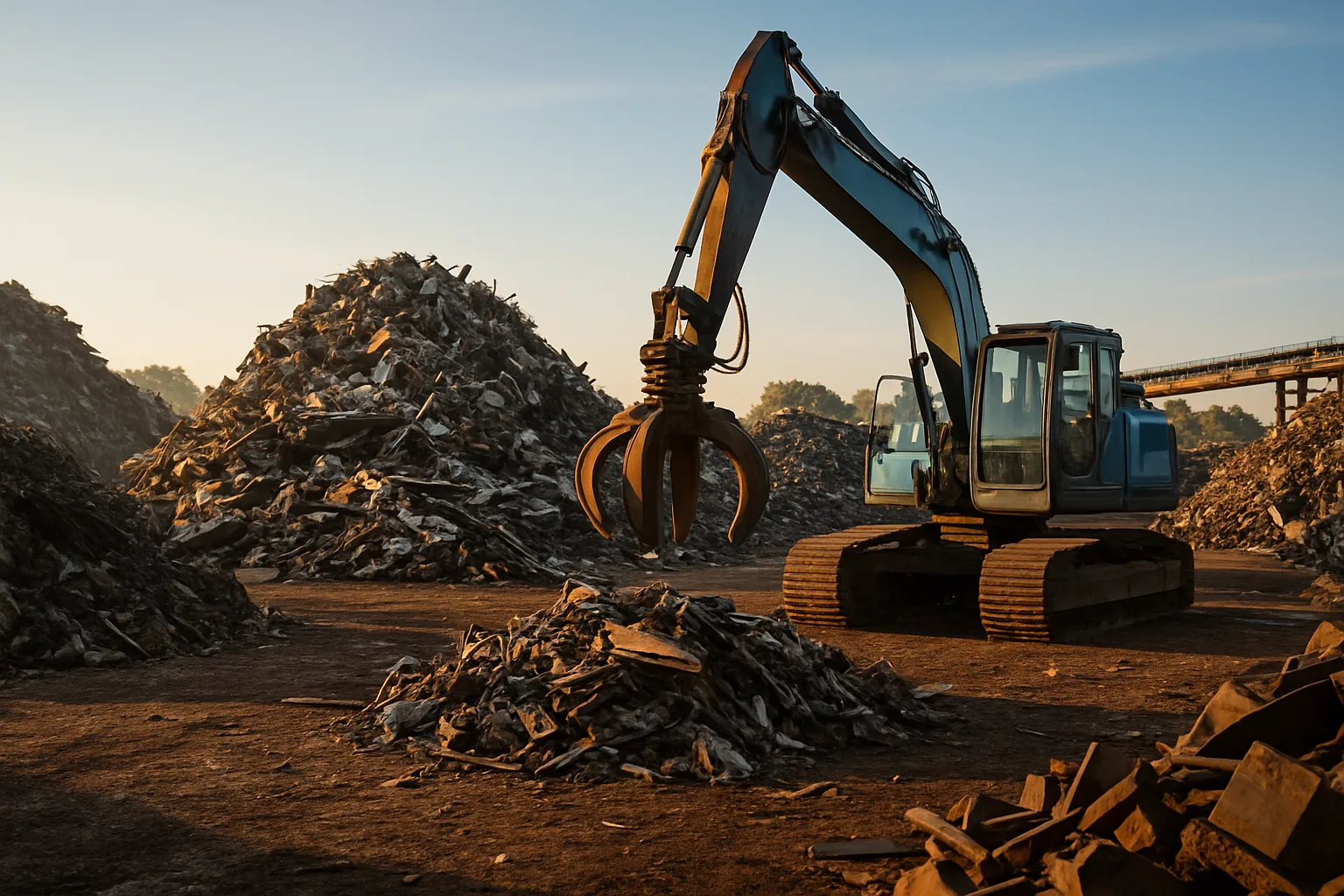
Once everything valuable has been pulled, what's left is called the hulk — the bare shell of the vehicle. The hulk goes to a shredder. Industrial shredders process entire vehicle bodies in seconds, reducing them to fist-sized fragments of mixed metal that then get sorted by type.
The sorted output includes:
- Shredded steel (ferrous) — sold to steel mills as feedstock for new steel production
- Aluminum — separated magnetically and by density, sold as non-ferrous commodity
- Copper wiring and harnesses — pulled pre-shred or recovered post-shred, sold separately
- Shredder fluff — the non-metallic residue (foam, plastic, glass) that requires special disposal
The steel market drives a significant portion of the base scrap car value you receive when you sell my junk car Sudbury. When steel prices are strong, recyclers pay more for hulks. When prices dip, offers tighten. It's a commodity market — and it moves.
That's why getting a quote today matters. Prices in June 2026 reflect current market conditions, and those conditions won't stay identical through the summer. If your car is sitting in a driveway in Sudbury right now, delaying doesn't help you — the vehicle isn't gaining value while it waits.
Why the Recycling Process Should Change How You Sell Your Car
Understanding this process gives you leverage. When you know your vehicle has a working engine, an intact catalytic converter, and low-rust body panels, you know it's worth more than a crushed-out shell. That knowledge changes the conversation when you're getting quotes.
The old way: one phone call, one buyer, one offer with no context. You take it or leave it. The SMASH way: competitive bids, documented inventory, and buyers who have real incentive to offer fair market value because they're competing for the load.
For vehicle owners across Sudbury scrap metal services and the broader Ontario market, that competitive model means more transparency at every step — from the first quote to the final sale. Free scrap car pickup across Canada from GetMyScrapCar connects you to a network that understands what your car is actually worth before it ever reaches the yard.
If you're ready to stop guessing and get a real number for your vehicle, the process is simple. Describe your car, book your pickup, and let the buyers compete. When you sell my car fast Sudbury, you shouldn't have to wonder if you left money behind.
Get a free quote for your scrap car today — schedule your free scrap car removal at getmyscrapcar.ca and find out what your vehicle is actually worth in the current market.
Frequently Asked Questions
Q: How long does the auto recycling process take after my car is picked up?
It varies by yard and vehicle demand, but most vehicles go through depollution and initial assessment within the first 24-48 hours. High-value part removal can take a few days to a week depending on workload. The hulk may sit in inventory for weeks before shredding, depending on steel market timing.
Q: Does the condition of my car affect how much I get paid when I sell my junk car in Sudbury?
Yes — significantly. A vehicle with a running engine, intact catalytic converter, and undamaged body panels is worth more than one that's been stripped or heavily damaged. Being accurate about your vehicle's condition when you request a quote leads to a more realistic offer. Surprises at pickup can sometimes result in revised pricing.
Q: What happens to the catalytic converter from my car?
The cat gets pulled early in the dismantling process because of its precious metal content. It's typically sold to a refiner or through a competitive auction platform where buyers bid based on assay value. The price fluctuates with platinum, palladium, and rhodium markets — it's a commodity, not a fixed rate.
Q: Is scrap car removal in Sudbury really free?
With GetMyScrapCar, towing is included — you don't pay out of pocket for pickup. The towing cost is factored into the overall value calculation for your vehicle. In most cases, vehicles with recoverable value result in cash to you, not a bill. Heavily stripped or non-valuable vehicles may result in a zero-dollar offer rather than cash.
Q: How do I know if my scrap car quote is fair when selling in Ontario?
The best way to validate a quote is to understand what's driving it — steel prices, part demand, and your vehicle's specific components. Platforms that use competitive bidding rather than single-buyer offers tend to produce more market-accurate pricing. If you're in Ontario and unsure about your quote, getting a second opinion before you sign anything is always reasonable.
Stay ahead of scrap metal market shifts — follow SMASH on LinkedIn for industry updates, commodity price insights, and news from the North American recycling sector.