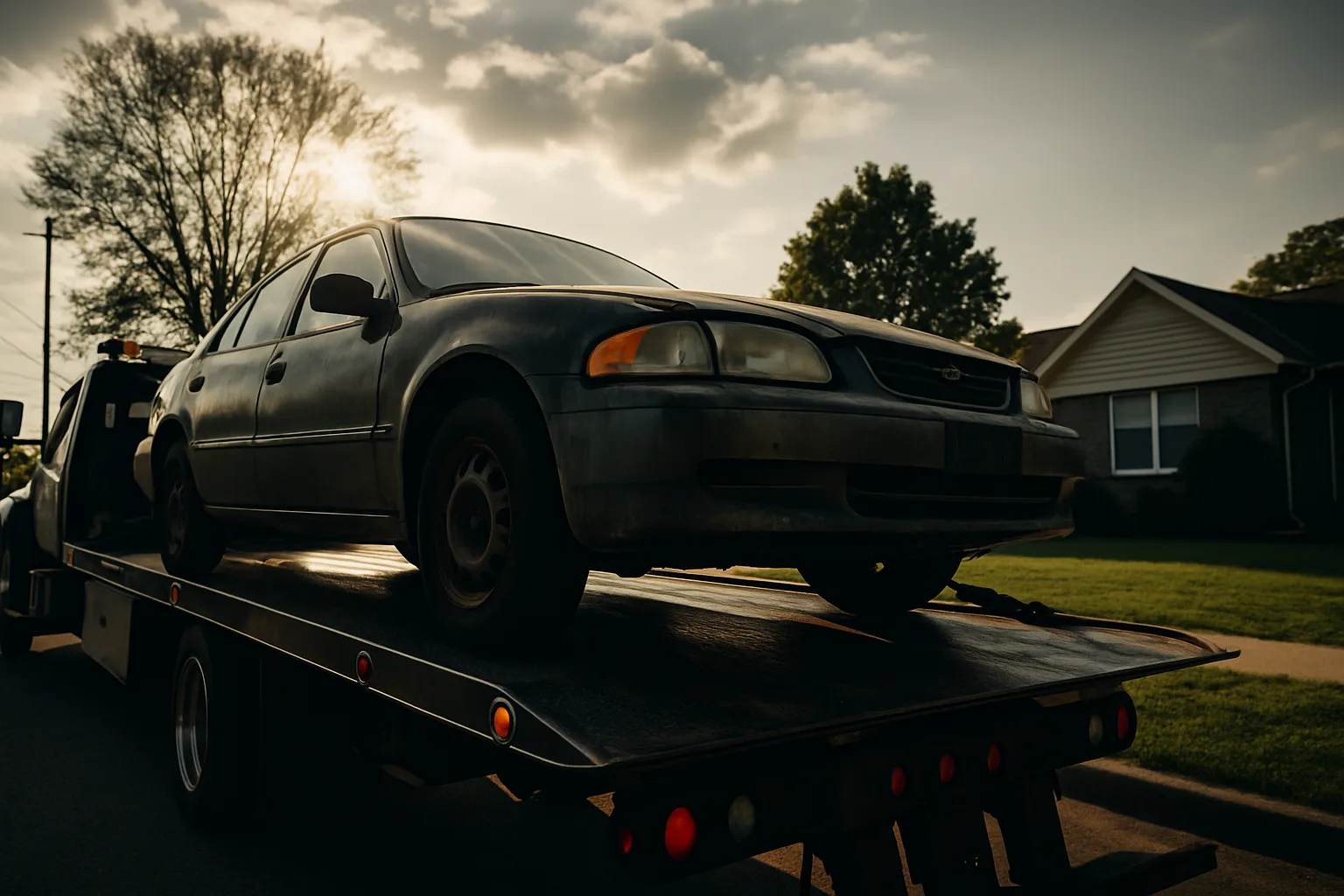
From Your Driveway to the Shredder: What Really Happens After Your Junk Car Gets Picked Up
Most people hand over their keys, watch the tow truck pull away, and never think about it again. But if you've ever wondered what actually happens to your old car after you sell my junk car Ottawa and it disappears down the street — the answer is more structured, more valuable, and more environmentally significant than most people realize.
Your car doesn't just get crushed into a cube. It goes through a detailed dismantling process that extracts hundreds of dollars in usable parts, recovers hazardous fluids before they can cause environmental damage, and ultimately reduces the need to mine new raw materials. Understanding the process helps you see why working with the right buyers — ones who know what your vehicle is actually worth — matters more than most sellers think.
Step One: The Vehicle Arrives at the Auto Recycler
When your car arrives at an auto recycling facility, the first thing that happens is an intake assessment. The yard logs the VIN, documents the condition, and catalogs what's still on the vehicle. This isn't just paperwork. It's how recyclers figure out whether your car has more value as a parts donor or as straight scrap weight.
A 2012 Honda Accord with a blown head gasket but functioning airbags, catalytic converter, and transmission? That car has real parts value before anyone thinks about the scrap metal underneath it. An older half-ton pickup with 400,000 kilometres, structural rust, and nothing salvageable under the hood? That one heads toward the shredder faster. The intake process determines the route.
- VIN check: Verifies the vehicle history and confirms what the car actually is
- Parts assessment: Identifies high-value components worth pulling before crushing
- Fluid inventory: Flags which hazardous materials need to be drained first
- Weight estimate: Helps the yard calculate baseline scrap value
Step Two: Fluid Removal and Depollution
Before anything gets dismantled, the vehicle goes through a depollution stage. This is non-negotiable at any licensed recycling facility, and it's one of the reasons you should always use a certified auto recycler rather than someone operating out of an empty lot with no accountability.
Depollution means draining and properly disposing of every hazardous fluid in the car. Engine oil, coolant, transmission fluid, brake fluid, power steering fluid, refrigerant from the A/C system, and any fuel left in the tank. A single vehicle can contain anywhere from 5 to 15 litres of various fluids that would cause serious soil and groundwater contamination if left to leak into the ground. Responsible recyclers across Ontario handle this step before any cutting or pulling begins.
The refrigerant is a specific callout — it requires certified equipment and certified technicians to recover. Not every backyard operation has that. Another reason why using a legitimate service when you sell scrap car in Ontario protects both you and the environment.
Step Three: High-Value Parts Are Pulled First
This is where the money is. Before the shell of your car ever sees a hydraulic crusher, trained dismantlers pull the components that have resale value in the used parts market. These parts get cleaned, tested where applicable, and listed for resale — often to independent mechanics, body shops, or private buyers looking for affordable OEM alternatives.
Common high-value parts pulled at this stage include:
- Catalytic converters — often the single highest-value component on the vehicle due to the platinum, palladium, and rhodium inside
- Engines and transmissions — if functional or rebuildable
- Alternators, starters, and batteries
- Body panels and glass — doors, hoods, fenders, windshields in good condition
- Wheels and tires
- Electronics — infotainment units, instrument clusters, sensors
- Seats and interior trim on late-model vehicles
The catalytic converter deserves special attention. Depending on the make, model, and year of your vehicle, the catalytic converter can be worth anywhere from a modest amount on a small domestic car to significant money on a pickup truck or luxury import. Platforms like get competitive bids for your scrap in Canada through SMASH actually run catalytic converter auctions — meaning yards that list their cats on SMASH get multiple buyers competing, not just one buyer offering a take-it-or-leave-it price. That's real price discovery, not guesswork.
Step Four: Non-Ferrous Metals Are Separated
Once the high-value parts are off the vehicle, what remains is primarily the steel body and frame — but there's still sorting to do before anything gets shredded. Non-ferrous metals like aluminum, copper, and brass are separated out because they're worth significantly more per pound than steel.
Aluminum shows up in engine blocks, wheels, heat shields, and body panels on newer vehicles. Copper comes from wiring harnesses. Brass appears in older fittings and some cooling system components. A well-run recycling yard doesn't just throw everything into the shredder together — that's leaving money on the table. Proper sorting of non-ferrous from ferrous material is where experienced yards earn their margin.
This is also why the condition and age of your vehicle affect your payout when you sell my junk car Ottawa. A newer aluminum-intensive vehicle (think 2018 and up Ford F-150) carries more non-ferrous value per tonne than an older all-steel body car. Buyers who understand this pay accordingly — buyers who don't will underpay every time.
Step Five: The Shell Goes to the Shredder
What's left after depollution, parts removal, and non-ferrous separation is the steel shell — the body, frame, and remaining structure. This goes into an industrial shredder that reduces the vehicle to fist-sized chunks of metal in seconds. The shredded output, called shred or auto shred, is then sorted using magnets and eddy current separators to pull out any remaining ferrous and non-ferrous fractions.
The resulting steel shred gets sold to steel mills, where it's melted down and used to produce new steel. This is the part of the automotive recycling loop that most people picture when they think about scrapping a car — but now you know it's actually the last step in a much longer process.
For sellers in Ottawa and across Ontario, the total value you receive when you sell scrap car in Ontario reflects the sum of all these stages — parts value, non-ferrous content, and steel weight. That's why two identical-looking cars can fetch different amounts depending on what's still on them and who's buying.
Why Competitive Bidding Changes What You Actually Get Paid
Here's the part most sellers don't know. When you call one buyer and accept their number, you have no idea if it's fair. You're not getting a market price — you're getting that buyer's best offer, which is optimized for their margin, not yours.
That's the gap that platforms like SMASH were built to close. SMASH connects yards and sellers with multiple vetted buyers who compete for loads — including full vehicles, catalytic converters, and non-ferrous material. Competition reveals the market. One phone call to one buyer does not.
If you're a yard operator in Ottawa processing dozens of vehicles a week, running your cats and non-ferrous through a catalytic converter auction on SMASH means you're not leaving money on the table every time a single buyer lowballs you. For individual sellers, working with services that use competitive downstream channels — like the network behind free scrap car pickup across Canada from GetMyScrapCar — means the number you get quoted is grounded in actual market demand.
You can also schedule your free scrap car removal without needing a title or registration in many cases — because the value is in the metal and parts, not the paperwork. And if you want to dig deeper into how the whole process works, read more junk car removal guides on the GetMyScrapCar blog.
Whether you're in the Glebe, Barrhaven, Kanata, or anywhere else in the region, Ottawa scrap metal services are available with free towing and no hidden fees. The process is straightforward when you work with the right people.
If your car is done — mechanically, financially, or just taking up space — don't let it sit. The recycling process is cleaner, more organized, and more valuable than most people expect. Get a free quote for your scrap car and schedule your free scrap car removal at GetMyScrapCar today. No pressure, no guessing, no single-buyer lowball.
Stay current on scrap metal market trends and industry insights by following SMASH on LinkedIn.
Frequently Asked Questions
Q: How long does the auto recycling process take after my car is picked up?
The full process from intake to shredder typically takes anywhere from a few days to a few weeks depending on the yard's volume and whether the vehicle has parts worth pulling and listing. Depollution and high-value part removal happen first, and those components may sit in inventory for weeks or months before selling. The steel shell moves faster since shred demand is more consistent.
Q: Do I need a title or registration to sell my junk car in Ottawa?
In many cases, no — you don't need a title or registration to sell a scrap vehicle in Ontario. Requirements vary by buyer, but most legitimate junk car buyers focus on the vehicle's physical value rather than its paperwork. That said, having documentation speeds things up and removes any ambiguity about ownership, so bring what you have.
Q: What happens to the catalytic converter on my old car?
The catalytic converter is typically one of the first high-value parts removed during dismantling. It contains precious metals — platinum, palladium, and rhodium — that make it worth recovering separately from the rest of the vehicle. Reputable recyclers and platforms like SMASH auction catalytic converters to vetted buyers, ensuring competitive pricing rather than a single lowball offer.
Q: Will I get more money if my car still runs when I sell it for scrap?
Not necessarily — scrap value is based primarily on weight, metal composition, and the condition of salvageable parts, not drivability. A non-running car with a good engine, intact catalytic converter, and solid body panels may fetch more than a running car that's been stripped or damaged. Focus on what's still on the car, not whether it starts.
Q: Is scrap car removal in Ottawa really free?
Yes — most reputable services offering junk car pickup in Ottawa include free towing as part of the deal. You shouldn't have to pay out of pocket to have your scrap vehicle removed. The value of the car itself covers the cost of pickup, and you receive payment for the remaining scrap value after that.