How Junk Car Removal Works: A Step-by-Step Breakdown for Canadian Vehicle Owners
About 1.6 million vehicles reach the end of their road in Canada every year. Most owners have no idea what to do next — and end up leaving money on the table, or worse, paying someone to haul away a car that was worth real cash. If you're sitting on a dead vehicle and searching for junk car buyers near me New Westminster, this guide is for you.
The process is simpler than most people think. But there are a few steps where inexperienced sellers get burned — either by lowball offers, shady tow operators, or not understanding what their vehicle is actually worth before they sign anything. Let's walk through exactly how it works, what to expect, and how to get the most out of your scrap vehicle in British Columbia.
---Step 1: Understand What Your Scrap Car Is Actually Worth
Before you contact anyone, you need a basic understanding of your car's value. Scrap car pricing isn't just about the weight of steel. A typical end-of-life passenger vehicle in Canada weighs between 1,200 and 1,800 kg, and scrap steel prices fluctuate week to week based on commodity markets. But the steel is rarely the most valuable part.
Here's what actually drives the payout on a scrap vehicle:
- Catalytic converter — This is often the single most valuable component. Cats contain platinum group metals (PGMs): platinum, palladium, and rhodium. Prices vary significantly depending on the make, model, and engine type.
- Non-ferrous metals — Copper wiring, aluminum wheels, and brass fittings add real value beyond the steel body.
- Functional parts — A working engine, transmission, or alternator can dramatically increase what recyclers will pay.
- Overall weight — Heavier vehicles generally return more at the scrap yard.
The catalytic converter alone can be worth anywhere from a modest amount on a small economy car to several hundred dollars on a truck or SUV. Platforms like sell your scrap metal on SMASH Recycling create competitive auctions specifically for cats and other high-value components — which means sellers get market-rate offers instead of a single lowball quote from a yard that's not competing for the business.
Disclaimer: Metal prices fluctuate constantly. Check current market rates before committing to any sale.
---Step 2: Gather Your Documents Before You Call Anyone
This is the step most first-time sellers skip — and it slows everything down. In British Columbia, you need to transfer ownership of a scrapped vehicle properly or you remain legally responsible for it. That matters more than people realize.
Here's what you'll typically need:
- Vehicle registration — Confirms you are the registered owner.
- Photo ID — Required for any legitimate transaction.
- Title/ownership papers — If you've lost the title, contact ICBC before proceeding.
- Keys — Not always required, but they affect the offer in some cases.
If the vehicle was previously in an accident or has a salvage designation on the title, disclose that upfront. Reputable junk car buyers near me New Westminster will already factor this in — and trying to hide it only causes delays or deal cancellations later.
Also: remove your personal belongings. Check under seats, in the trunk, and in the glove compartment. Once a car is picked up, recovering items is difficult.
---Step 3: Get Multiple Quotes — Not Just One
This is where most people leave money behind. They call one local yard, get a number, and accept it because it sounds reasonable. But "reasonable" isn't the same as "market rate."
The cash for cars New Westminster market is competitive — there are multiple buyers operating in and around the Lower Mainland. Getting two or three quotes takes an extra 20 minutes and can meaningfully change your payout, especially if your vehicle has valuable components like a working catalytic converter or a heavy-duty engine.
For the scrap components themselves — particularly catalytic converters, which are often removed before crushing — sell your scrap metal on SMASH Recycling runs vetted buyer auctions that expose your inventory to real competition. SMASH doesn't charge sellers a subscription. They only make money when a deal closes, which means their incentive is aligned with yours.
When you contact buyers, give them accurate information:
- Year, make, and model
- Approximate mileage
- Whether the car runs or not
- Any significant damage or missing parts
- Whether the catalytic converter is still on the vehicle
Accurate info gets you accurate quotes. Padding the description wastes everyone's time.
---Step 4: Schedule Free Pickup and Confirm the Terms
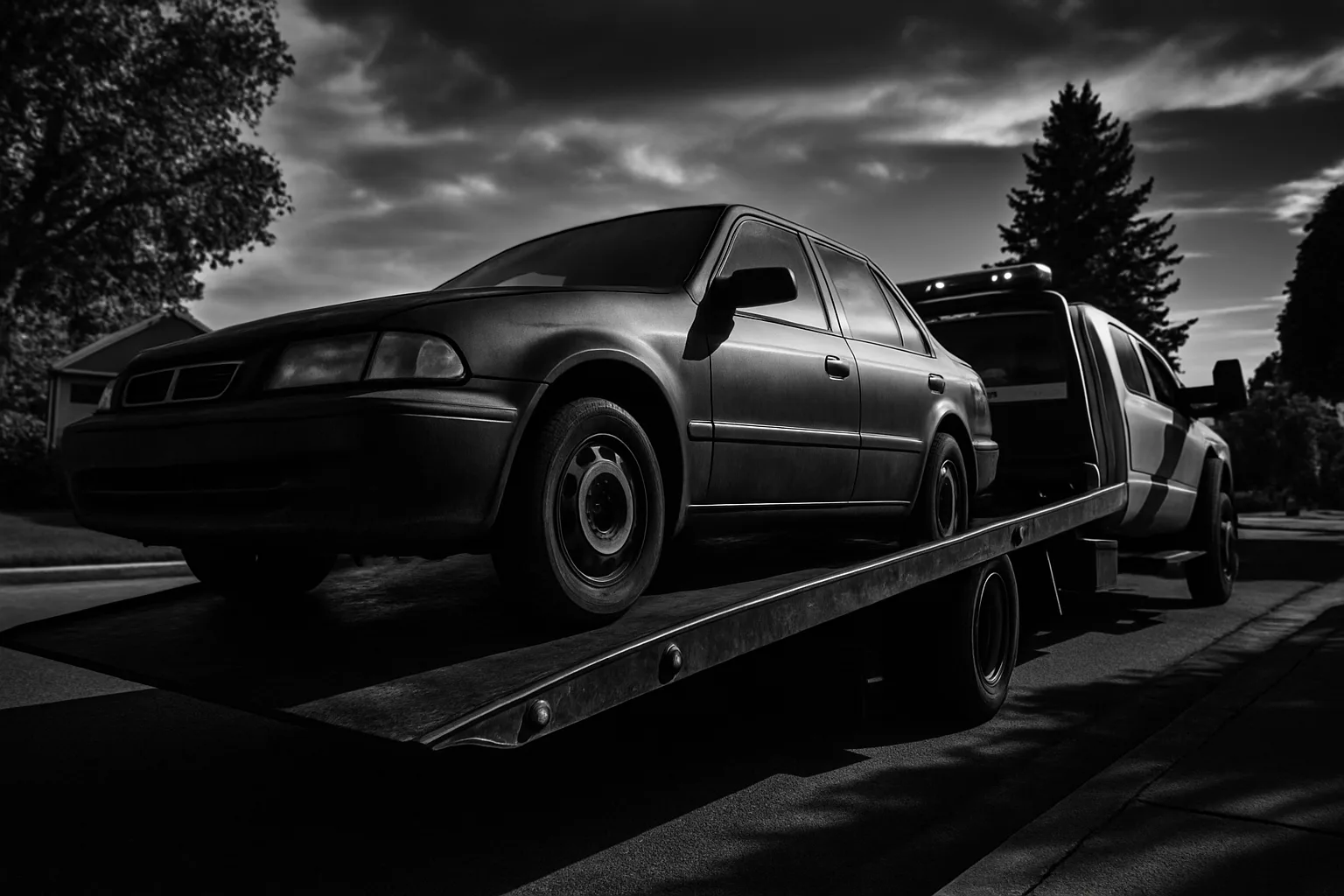
Once you've accepted an offer, the buyer arranges tow truck pickup. Most reputable services offering sell car for scrap collection include free towing — that should be confirmed in writing (or at least clearly stated) before the truck shows up.
For sellers in the New Westminster area, pickup can typically be scheduled within one to three business days. The tow operator will confirm the address, check the vehicle matches the description, and complete the paperwork on-site.
Before you hand over the keys, confirm:
- The agreed payout amount hasn't changed
- Payment method — cash, e-transfer, or cheque
- You receive a signed bill of sale or receipt
- The buyer is handling the deregistration with ICBC
Do not let a vehicle leave your property without documentation in hand. That receipt is your protection if anything goes wrong with the ownership transfer afterward.
If you're ready to move forward, you can schedule your free scrap car removal through GetMyScrapCar — they handle pickups across Canada, including the Lower Mainland.
---Step 5: What Happens to Your Car After Pickup
Most people never think about this part, but it's worth understanding — especially if environmental responsibility matters to you.
After your vehicle is picked up, it typically goes to a licensed auto recycler or dismantler. Here's the general flow:
- De-pollution — Fluids are drained and properly disposed of: motor oil, coolant, brake fluid, transmission fluid, and refrigerant. This is legally required in British Columbia.
- Parts harvesting — Usable components are pulled: engines, transmissions, alternators, catalytic converters, and body panels.
- Crushing and shredding — What's left gets crushed and sent to a shredder. Steel is separated from non-ferrous metals and sold to mills.
- Material recycling — Recovered steel gets melted down and reused in manufacturing. The recycling rate for end-of-life vehicles is high — typically over 80% of the vehicle by weight is recovered.
The catalytic converter, if still on the vehicle, is typically removed before crushing. The PGMs inside are recovered through a smelting and refining process. This is why cats hold their value even when the rest of the car is worth pennies per kilogram — and it's why competitive platforms matter for getting a fair price on them.
If you want to understand more about the junk car process or explore what your other scrap components are worth, read more junk car removal guides on the GetMyScrapCar blog.
---Step 6: Confirm the Transfer and You're Done
The final step is administrative — but don't skip it. Once your vehicle has been picked up and paid for, confirm with ICBC that the registration has been transferred or cancelled. This protects you from any liability tied to the vehicle after it leaves your hands.
If your buyer was a licensed auto recycler, they are typically responsible for handling the paperwork. But following up yourself takes five minutes and gives you peace of mind. Keep your bill of sale on file for at least a year.
For New Westminster sellers using free scrap car pickup across Canada from GetMyScrapCar, the process is designed to be straightforward from quote to title transfer. You shouldn't have to chase anyone for paperwork or wonder if the job was completed properly.
If you're ready to move on from that old vehicle — whether it's sitting in your driveway in New Westminster or parked on a property anywhere else in Canada — the process is faster and more straightforward than most people expect. Get a free quote for your scrap car and schedule your free scrap car removal through GetMyScrapCar today.
---Frequently Asked Questions
Q: How do I find junk car buyers near me in New Westminster?
The easiest approach is to search online and contact two or three buyers to compare quotes. GetMyScrapCar serves the New Westminster area and offers free towing with no hidden fees. Getting multiple quotes takes minimal effort and often results in a better payout.
Q: How much cash can I get for my car in New Westminster?
Payouts depend on the vehicle's weight, condition, make, model, and whether high-value components like the catalytic converter are still intact. Prices fluctuate with commodity markets, so check current rates before accepting any offer. Heavier vehicles and those with intact cats typically return more.
Q: Do I need a title to sell a scrap car in British Columbia?
Having your registration and proof of ownership makes the process faster and cleaner. If you've lost your title, contact ICBC before reaching out to buyers — they can help you sort out the paperwork so the transfer goes through without issues.
Q: Is free towing actually free, or are there hidden fees?
Reputable scrap car buyers include towing in their offer — it's part of the deal, not a separate charge. Always confirm this in writing before scheduling pickup. GetMyScrapCar offers free pickup with no deductions for towing.
Q: What happens to my catalytic converter when I scrap my car?
The catalytic converter is one of the most valuable parts of an end-of-life vehicle. It's typically removed before crushing, and the platinum group metals inside are recovered through refining. If you want to maximize the return on a cat separately, platforms like SMASH run competitive auctions that help sellers get market-rate offers rather than a single take-it-or-leave-it quote.
---Stay current on scrap metal markets and industry news — follow SMASH on LinkedIn for weekly insights on pricing trends, auction activity, and what's moving in the recycling market across North America.