GetMyScrapCar · Canada seller guide
End-of-life vehicles entering the recycling chain.
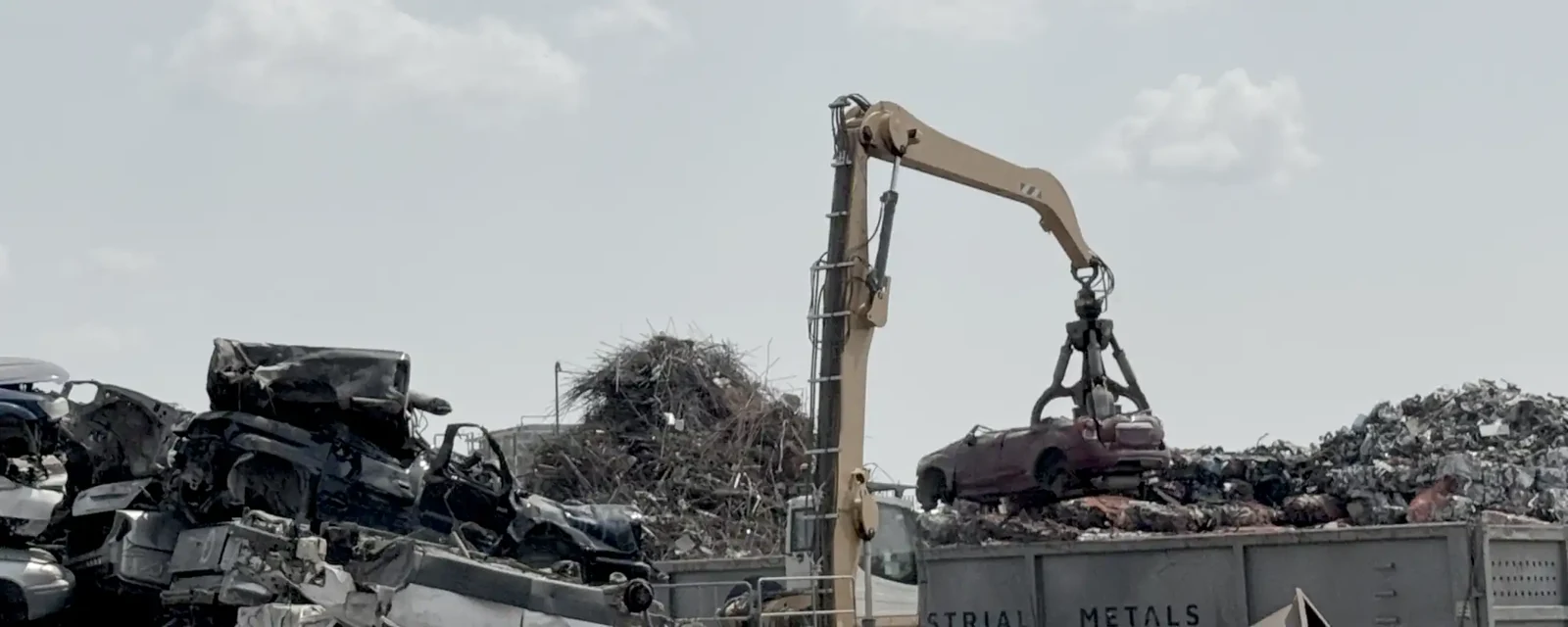
Vehicle recycling involves more than crushing a car. Reusable parts, fluids, batteries and different metals need separate attention before recovered materials can return to manufacturing.
Practical information for selling a scrap car in New Brunswick. Start with your vehicle details and exact pickup location; an offer and collection arrangement are confirmed with the buyer.
In this guide
Collection is the beginning of the journey
A collection truck moves the car; it does not explain every step that follows. Ask the buyer where the vehicle will be received and what records you should keep. Different vehicles can follow different routes depending on condition, reusable parts and the receiving business. Do not assume that every car is dismantled, shredded and refined at a single yard, or that a collection provider performs every processing stage itself.
Remove materials that need separate handling
The automotive recycling industry describes depollution as the controlled removal of materials that need particular handling, including operating fluids and batteries. Fuel, oils, coolants and refrigerants should not be treated as ordinary metal scrap. Appropriate equipment and downstream handling help keep those materials out of soil, water and the later metal stream.
For the seller, the useful action is to tell the buyer about leaks, damage and the vehicle type. Leave draining fluids and dismantling batteries to people equipped for that work. An electric or hybrid vehicle should be identified when collection is being discussed.
Useful parts may have another working life
Where suitable, serviceable components can be assessed for reuse before the remaining vehicle is processed for material recovery. This is one reason two otherwise similar cars may interest buyers differently. Condition, completeness and demand for parts matter; age alone does not tell the whole story.
Ask the buyer how your vehicle is expected to be handled rather than assuming that a particular engine, panel or wheel will definitely be resold. A general recycling explanation is not a promise about the destination or value of every component from your car.
Separate material streams before and after size reduction
Industry processing can include dismantling, preparation of the remaining body and shredding, followed by separation of steel and other recoverable materials. Batteries, tyres and catalytic converters can enter specialist recovery routes. The resulting metal streams may move through additional processors and metal producers before becoming feedstock for new products. Not every material follows the same route, and some remaining fractions require other management.
Ask practical questions about responsible handling
You do not need to inspect industrial machinery to ask sensible questions. Find out who is purchasing the car, where it is being taken and whether the buyer can explain their receiving and recycling arrangements. Keep the sale and collection records. Be cautious about broad claims such as every part being recycled or the entire car becoming another car; the real process involves several materials, destinations and decisions.
- Who will receive the vehicle after collection?
- How are fluids, batteries and other separated materials managed?
- Which handover records will be provided for your sale?
Begin with accurate details
The enquiry form helps start the collection discussion with the vehicle's year, make, model, condition and location. Mention missing parts and any known hazards. A buyer can then review an eligible enquiry and explain the proposed next steps. Collection arrangements and the purchase are confirmed separately; submitting the form does not itself transfer ownership or guarantee a particular recycling outcome.
Questions sellers ask
Does every collected car go straight into a crusher?
No single route fits every vehicle. Receiving, removal of materials needing separate handling and assessment of reusable parts can precede preparation of the remaining metal body.
Should I drain the fluids myself?
Leave fluid removal and battery dismantling to appropriately equipped people. Tell the buyer about leaks or damage before collection so they can assess the situation.
Keep reading
Explore pickup information for Hanwell, Burton, New Maryland, Oromocto.