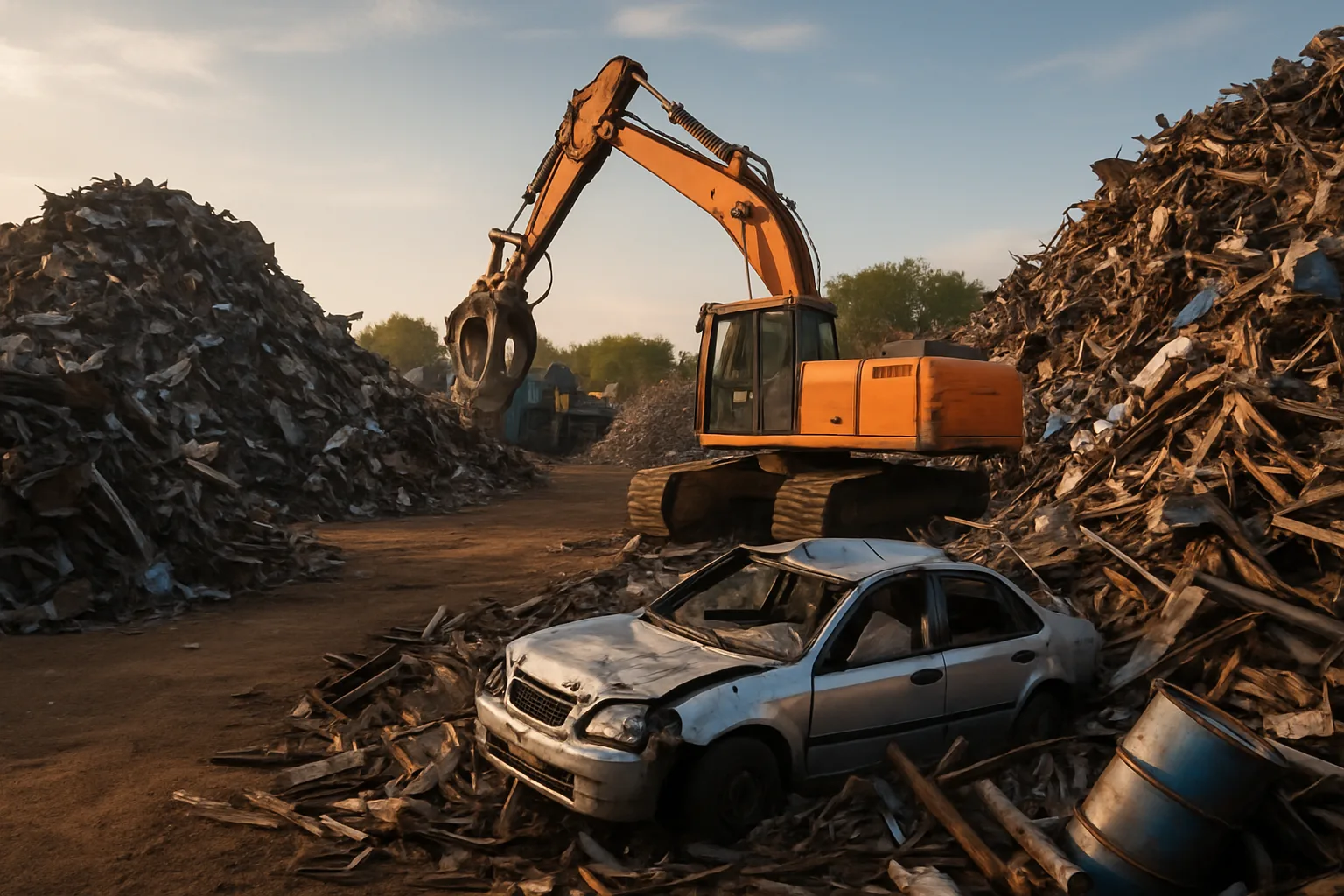
Why Eco-Friendly Car Disposal Is More Important Than Ever in 2026
Your old car sitting in the driveway isn't just an eyesore — it's a slow-release environmental hazard. A typical end-of-life vehicle contains engine oil, transmission fluid, brake fluid, coolant, battery acid, and refrigerants. Left unmanaged, those fluids don't stay contained. If you're searching for cash for junk cars Kitchener, the good news is that getting paid and doing the right thing for the environment are no longer separate conversations.
In 2026, Canadian vehicle recycling regulations have tightened considerably. Provinces are holding auto recyclers to stricter fluid capture and disposal standards. Ontario in particular has reinforced its requirements around end-of-life vehicle (ELV) processing, pushing recyclers to document their environmental handling practices more rigorously. For vehicle owners, that means who you sell to actually matters — not just how much they pay you.
What Actually Happens to a Junk Car When It Gets Recycled
Most people picture a crusher and a scrap pile. The reality is more structured than that — and when it's done right, it's remarkably efficient. Here's how a responsible auto recycler processes an end-of-life vehicle:
- Fluid depollution first. Before anything else, all hazardous fluids are drained and captured — oil, coolant, brake fluid, power steering fluid, and refrigerant. This step is non-negotiable under current Ontario environmental standards.
- Battery removal. The 12V lead-acid battery comes out and goes into a dedicated lead battery recycling stream. Hybrid and EV batteries follow a separate, specialized process.
- Catalytic converter removal. The cat comes off before shredding. It contains platinum group metals (PGMs) — palladium, rhodium, and platinum — that have real recovery value. These are processed separately from the rest of the vehicle.
- Parts salvage. Usable components — alternators, starters, doors, glass, seats — get pulled for resale. This keeps functional parts out of the shredder and extends their useful life.
- Shredding and metal separation. The hulk goes to a shredder. Ferrous metal (mostly steel) gets separated magnetically. Non-ferrous metals like aluminum, copper, and zinc are separated through eddy current and density-based systems.
- Fluff management. What's left after shredding — foam, plastic, rubber, glass — is called shredder residue or fluff. Responsible facilities divert as much of this as possible from landfill through specialized processing streams.
A modern passenger vehicle is roughly 75–80% recyclable by weight. Steel makes up the bulk of that. But the non-ferrous fraction — aluminum engine blocks, copper wiring, magnesium wheels — often carries more dollar value per kilogram than the steel does. A good recycler recovers all of it.
How Much Is the Average Scrap Car Worth in 2026?
This is the question everyone Googles before they call. How much is the average scrap car worth? The honest answer: it depends on several factors, and anyone who gives you a firm number without knowing your vehicle's specifics is guessing.
What actually drives scrap car value right now includes:
- Vehicle weight. A full-size pickup truck or van produces significantly more scrap steel than a compact sedan. Weight is the baseline.
- Metal prices on the day of sale. Scrap steel, aluminum, and copper prices move weekly. What your neighbour got for his truck six months ago isn't your number today.
- Catalytic converter value. On some vehicles, the cat is worth more than the rest of the car combined. Year, make, and model determine PGM content.
- Condition and completeness. A car with its engine, transmission, and all four wheels is worth more than one that's been stripped.
- Location logistics. Distance and access affect what a buyer will pay after factoring in tow costs.
The best way to understand your car's real market value is to get it in front of multiple buyers simultaneously — not to call one yard and take their first offer. That's where platforms like the SMASH Recycling auction platform change the equation. Instead of one phone call and one price, your vehicle (or your load of cores and non-ferrous) goes to vetted buyers who compete. Competition reveals what the market will actually pay. That's not a sales pitch — it's how price discovery works.
Disclaimer: Scrap metal and vehicle prices fluctuate based on commodity markets and regional demand. Always check current rates before committing to a sale.
Sell My Car for Cash in Kitchener — What Local Sellers Should Know
Kitchener sits in the middle of one of Ontario's most active manufacturing and recycling corridors. The Waterloo Region has real industrial density — auto parts suppliers, metal processors, and recycling yards operate throughout the area. That's relevant because it means you're not at a geographic disadvantage when you want to sell my car for cash Kitchener. Buyers are nearby, logistics are manageable, and the local market is competitive if you approach it the right way.
What you should do before you call anyone:
- Know your vehicle's year, make, model, and approximate weight class.
- Note what's still on the car — catalytic converter, battery, all four tires, engine present.
- Have your ownership documents ready. Ontario requires you to transfer the vehicle properly even when selling for scrap.
- Get more than one quote. Prices vary between buyers, and a single call tells you nothing about the actual market.
If you're looking for Kitchener scrap metal services, you want a buyer who's transparent about how they arrived at their number — not just someone who quotes you low and hopes you don't know any better. Documented inventory, clear pricing, and a proper bill of lading aren't optional — they protect you as the seller.
For a straightforward pickup experience, free scrap car pickup across Canada from GetMyScrapCar connects you with buyers who handle the tow, the paperwork, and the payment — without making you chase anyone down for your money.
The Environmental Case for Using Vetted, Regulated Buyers
Not every junk car buyer operates to the same environmental standard. In Ontario, unlicensed or informal "cash for cars" operations sometimes skip the depollution step entirely. Fluids get dumped, batteries get improperly stored, and the car gets crushed without the hazardous materials being captured. You get paid, the environment gets damaged, and there's no paper trail.
That's not a hypothetical. It happens, and regulators in 2026 are more actively enforcing against it. As a seller, you're not legally liable for what a buyer does after the transaction — but working with a legitimate, insured, registered auto recycler protects you from any ambiguity. A proper recycler provides documentation. If they can't give you a bill of sale and a transfer record, that's a red flag.
The environmental argument and the financial argument actually point the same direction: vetted buyers, transparent process, documented transactions. Whether you're a private seller in Kitchener or a yard moving hundreds of vehicles a year, the logic holds. Platforms like SMASH bring that structure to transactions that used to happen on a handshake and a hope.
If you want to go deeper on the process before you sell, read more junk car removal guides covering everything from title transfers to getting the most from your catalytic converter.
How to Schedule Your Scrap Car Pickup Without the Runaround
The biggest friction in scrap car removal isn't the price — it's the process. People put it off because they don't know who to call, they get lowball quotes, the tow truck doesn't show up, or they can't figure out the paperwork. Here's how to cut through that:
- Request your quote online. Don't spend twenty minutes on the phone describing your car. A good service lets you submit vehicle details digitally and gets back to you fast.
- Confirm free towing is included. It should be. If someone's quoting you a price and then subtracting a tow fee, your actual payout just dropped. Confirm upfront.
- Get the payment method confirmed. Cash, e-transfer, or cheque — know before you schedule. Not after the car is already on the truck.
- Complete the ownership transfer. In Ontario, you sign the back of the vehicle permit over to the buyer. Keep a copy. Notify the Ministry of Transportation. This closes your liability on the plate and the vehicle.
- Get your receipt. Any legitimate buyer provides written confirmation of the transaction. This is your protection.
Ready to move? Schedule your free scrap car removal and get a quote without the back-and-forth. The process is straightforward, the towing is free, and you don't need to prep the vehicle or clean it out.
If you've got a car that's been sitting too long, 2026 is a good time to act. Metal markets are active, buyers are looking for inventory, and the paperwork burden on sellers has never been simpler when you use the right service. Don't leave money sitting in your driveway when you could turn that hulk into cash today and know it's being handled responsibly.
---Frequently Asked Questions
Q: How do I get cash for junk cars in Kitchener?
Contact a reputable scrap car buyer or removal service that operates in the Kitchener area, provide your vehicle details (year, make, model, condition), and request a quote. Legitimate buyers handle the towing and paperwork — you don't need to deliver the vehicle yourself. GetMyScrapCar offers free pickup and handles the process from quote to pickup.
Q: Do I need a title or ownership documents to sell my car for scrap in Ontario?
Yes. In Ontario, you need the vehicle permit (ownership document) to legally transfer the car. You sign the back of the permit over to the buyer at the time of sale. If you've lost the ownership, contact Service Ontario to request a replacement before proceeding. Selling without proper documentation creates liability risk for you.
Q: How much is the average scrap car worth in Kitchener right now?
Scrap car values depend on vehicle weight, metal prices on the day of sale, catalytic converter content, and overall completeness. Prices fluctuate with commodity markets — there's no fixed number that applies to every vehicle. Get multiple quotes and check current rates rather than relying on a number from several months ago.
Q: Is free towing actually free, or are there hidden fees?
With reputable services like GetMyScrapCar, free towing means free — no fees subtracted from your payout after the fact. Always confirm this upfront when you request your quote. Ask explicitly: "Is towing included in the price you're quoting me?" A trustworthy buyer will say yes without hesitation.
Q: What happens to my car after it's picked up for scrap?
A regulated auto recycler will depollute the vehicle first — draining and capturing all fluids — then remove the battery, catalytic converter, and any salvageable parts. The remaining hulk goes to a shredder where steel and non-ferrous metals are separated and sold into metal processing streams. A properly recycled vehicle recovers roughly 75–80% of its material by weight.
---If your junk car has been sitting long enough, it's already costing you space, potential liability, and money you haven't collected yet. GetMyScrapCar makes the process simple — get a quote, confirm your free pickup, and get paid. Schedule your free scrap car removal today and let the professionals handle the rest.
For ongoing industry updates, scrap metal market insights, and recycling news across North America, follow SMASH on LinkedIn — the buyer network behind better price discovery for scrap yards and vehicle sellers alike.