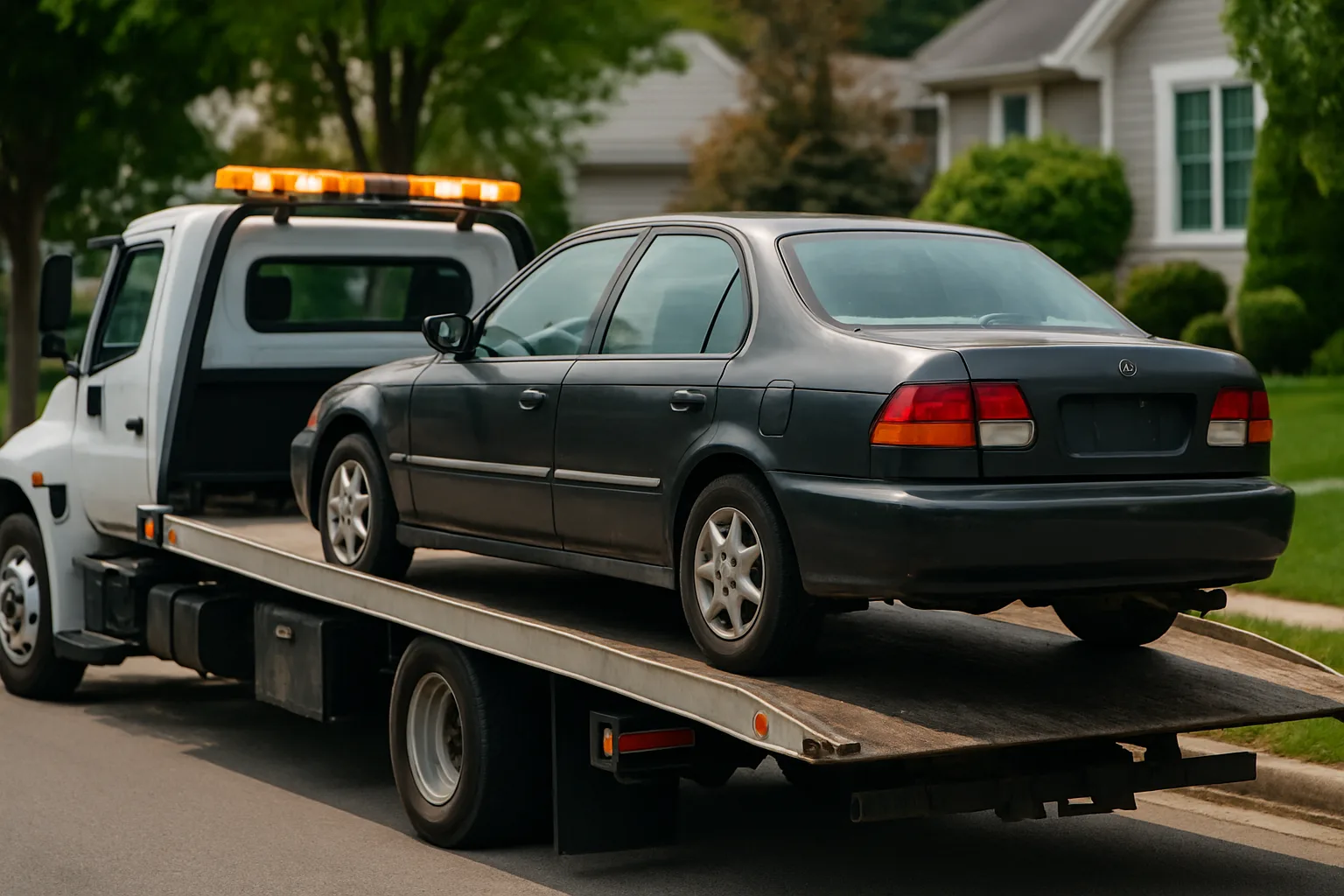
Most people selling a junk car accept the first offer they get. That's a mistake. Whether you're in Dartmouth, Hamilton, or anywhere else across Canada, junk car buyers are running a business — and the first number they give you is rarely their best. Free scrap car pickup Dartmouth services are widely available, but "free towing" doesn't mean you're automatically getting a fair price for the vehicle itself. This guide breaks down exactly how to negotiate smarter, document your car properly, and use competition to your advantage — the same way metal yards do when they're buying your load.
The scrap vehicle market in 2026 is more transparent than it's ever been. Real-time metal prices, online platforms, and auction-style buying have changed the game. You don't have to guess what your car is worth anymore. But you do have to know how to play it.
---Understand What Your Junk Car Is Actually Worth Before You Call Anyone
Before you pick up the phone, know what you're selling. A junk car has multiple value streams — scrap metal weight, salvageable parts, catalytic converter value, and sometimes even whole-vehicle resale if the frame and engine are in reasonable shape. Lumping all of that together as "a junker" is how buyers lowball you.
Start with the basics. Do you know the approximate curb weight of your vehicle? A full-size pickup truck might scrap at 4,000+ lbs. A compact sedan might come in at 2,500 lbs. At current steel scrap rates — which fluctuate based on global demand — that weight difference translates directly into dollars. Check what HMS (heavy melting steel) or shredder scrap is trading at in your region before you quote a number.
- Catalytic converter: If your car still has the cat, don't let it walk out the door for nothing. Cats contain platinum, palladium, and rhodium. Even a basic domestic cat has real value. Know your VIN — some platforms offer VIN-based cat lookup so you know what metals your specific converter contains.
- Parts value: Working alternators, doors, seats, rims, and transmissions all have secondary market value. If a buyer quotes you scrap weight only and ignores parts, push back.
- Year, make, and model: A 2018 F-150 in scrap condition is not the same as a 2004 Cavalier. Buyers know this. So should you.
Take photos before anyone shows up. Document the interior, exterior, engine bay, and undercarriage if you can. Buyers who are prepared to pay fair market value will expect documentation. Buyers who aren't will be thrown off by it — which tells you something useful right away.
---Get Multiple Quotes — Competition Is the Only Lever You Have
Here's the uncomfortable truth about junk car removal: most sellers call one buyer, get one number, and take it. That's not negotiating — that's surrendering. The single most effective thing you can do is create competition. Call three to five buyers. Get written or texted quotes with a timestamp. Then let each buyer know others are quoting the same vehicle.
This is exactly how platforms like compare scrap metal bids from Canadian buyers work — they expose your inventory to multiple vetted buyers simultaneously, rather than letting one buyer set the price in isolation. More buyers means better price discovery. It's not complicated. It's just how markets work when they're functioning properly.
In Nova Scotia, your options may feel more limited than in a major metro, but don't assume that means you have no leverage. free scrap car pickup across Canada from GetMyScrapCar connects sellers with buyers across the country, meaning geography doesn't have to cap your offer. Dartmouth sellers have access to the same buyer network as someone in Toronto or Calgary — use it.
When you're comparing quotes, make sure you're comparing apples to apples:
- Is the tow included, or is there a pickup fee?
- Is the quote based on current metal prices, or is it a flat "junk car" number?
- Will they honor the quote if pickup is scheduled for next week, or does the price float?
- Do they handle the deregistration paperwork, or is that on you?
A buyer offering $50 more but charging a tow fee might actually net you less. Work the math every time.
---How Timing and Market Conditions Affect Your Scrap Car Price in 2026
The scrap metal market doesn't sit still. Steel prices move with global manufacturing demand, shipping costs, and energy prices at mills. In 2026, North American scrap demand has remained tied closely to electric vehicle production, infrastructure spending, and steel mill utilization rates — all of which affect what a shredder operator is willing to pay for your old Civic.
Practically speaking, this means timing matters. If you have the flexibility to wait a few weeks, monitor the general direction of shredder scrap prices. If prices are trending up, hold. If they've plateaued or are softening, move quickly. You're not day-trading, but you're not completely passive either.
Seasonal patterns also play a role. Spring and early summer typically see increased activity as yards prep for busier buying cycles. Winter slowdowns in regions like Nova Scotia can compress buyer competition — which can mean softer offers if you're not reaching beyond local buyers. This is another reason why accessing a broader buyer network (rather than only local yards) matters for Dartmouth sellers specifically.
SMASH tracks scrap metal market movement and publishes market recaps for buyers and sellers navigating exactly these conditions. If you want to stay ahead of price swings rather than react to them, that's the kind of data that makes a difference. Follow SMASH on LinkedIn for weekly market updates and scrap metal industry insights.
---Red Flags to Watch for When Dealing With Junk Car Buyers
Not every buyer quoting you a number intends to honor it. Price drops at pickup are one of the most common complaints in the junk car removal space. A buyer quotes one number over the phone, shows up, and suddenly finds "issues" with the car that justify a lower payout. If you're not prepared for this tactic, you'll almost always lose.
Here's how to protect yourself:
- Get the quote in writing. A text or email confirmation is better than a verbal agreement. If a buyer refuses to confirm the quote in writing, that's a signal.
- Document the car's condition before pickup. Timestamped photos are your evidence if a dispute happens. If the buyer claims the engine is missing when it was there at quote time, you have proof.
- Ask about the payment method upfront. Cash on pickup is standard. Checks that "arrive in the mail" are a risk. Know what you're agreeing to before they hook up your car.
- Watch for last-minute deductions. Fuel removal fees, tire disposal fees, and "environmental surcharges" that weren't mentioned at quote time are sometimes added at pickup. Ask explicitly: "Is there anything that could reduce the amount you quoted me?"
- Verify buyer legitimacy. Licensed auto recyclers and registered scrap buyers are held to compliance standards. In Nova Scotia, legitimate buyers operate under provincial regulations. Ask for their business name and registration. Vetted platforms like SMASH work with buyers who've been screened — that matters when you're handing over a vehicle.
If a buyer shows up, lowballs you, and pressures you to sign over the title immediately — you can walk away. The title is yours until you transfer it. Don't let pressure tactics rush you into a bad deal.
---What to Do Before Your Junk Car Gets Picked Up in Dartmouth
Once you've locked in a fair price and scheduled pickup, there are a few practical steps that protect you legally and financially. These apply whether you're doing junk car removal Dartmouth style or you're across the country in BC — the fundamentals are the same.
Cancel your insurance. Once the vehicle is sold and picked up, you don't need coverage. Notify your insurer the day of pickup. Depending on your policy and when in the billing cycle you cancel, you may receive a partial refund — worth doing even if the amount is small.
Remove your plates. In Nova Scotia, your license plates belong to you, not the vehicle. Remove them before the tow truck arrives. Return them to Access Nova Scotia or transfer them to your next vehicle if applicable.
Pull your personal items. Garage door openers, toll transponders, phone chargers, spare change in the console, anything in the glove box. You'd be surprised what people leave behind.
Transfer the title properly. Sign it over to the buyer and keep a copy for your records. This protects you if the vehicle is later involved in an incident before it reaches the yard.
Get a receipt. Ask for a bill of sale or a receipt showing the vehicle's make, model, VIN, sale price, and buyer's name. This is your paper trail if anything comes up later with the province or with insurance.
Ready to move forward? Schedule your free scrap car removal and get a quote that reflects what your vehicle is actually worth — not just what one buyer decided to offer.
---Why SMASH Changes the Price Discovery Game for Scrap Vehicles and Metal
The old way of selling a scrap car mirrors the old way of selling any scrap load — one phone call, one buyer, one price. No visibility into whether that price is fair. No competition. No documentation trail. Just a handshake and a check.
SMASH was built to fix that for the scrap metal industry. When buyers compete for your material — whether it's a load of non-ferrous, a pallet of cats, or a vehicle with documented parts — you get price discovery instead of price guessing. That's not a sales pitch. That's just how auctions work.
For sellers navigating the scrap car market in 2026, the takeaway is practical: use platforms and services that bring multiple buyers to you, rather than making you shop buyer by buyer on your own. Whether that's using SMASH for commercial scrap or using GetMyScrapCar for a personal vehicle, the principle holds. Competition reveals the market. Transparency protects the seller.
If you're sitting on an end-of-life vehicle in Dartmouth or anywhere across Canada, the process doesn't have to be a guessing game. Know your car's value streams, document everything, get multiple quotes, and use vetted services that bring buyers to compete for your vehicle. That's how you stop leaving money on the table. For more guidance on the process, read more junk car removal guides and get up to speed before your first call.
Get a free quote for your scrap car in Canada — it takes a few minutes and there's no obligation. When you're ready, head to getmyscrapcar.ca to kick off the process and get fair value for your vehicle.
---Frequently Asked Questions
Q: Is free scrap car pickup in Dartmouth actually free, or are there hidden fees?
Legitimate free scrap car pickup means the towing cost is included in the transaction — you shouldn't pay out of pocket. However, always confirm upfront whether the quote you're given is net of any fees. Ask: "Is towing included, and are there any deductions from the quoted price at pickup?" Get the answer in writing.
Q: How do I know if I'm getting a fair price for my junk car in Dartmouth?
Get at least three quotes before committing to anyone. Research the approximate weight of your vehicle and what shredder scrap or HMS is trading at in Atlantic Canada. If all quotes land in a similar range, that's your market rate. If one is significantly lower, you know to push back or move on.
Q: Can I sell my junk car in Nova Scotia if I don't have the title?
In most cases, you need proof of ownership to legally transfer a vehicle. In Nova Scotia, this typically means having the vehicle registration in your name. If you've lost your title, contact Access Nova Scotia to get a replacement before scheduling pickup. Selling without proper documentation can create legal complications down the road.
Q: What happens to my car after it's picked up for scrap?
Your vehicle goes to a licensed auto recycler or scrap yard. Usable parts are pulled and resold. Fluids are drained and disposed of according to environmental regulations. The remaining shell is shredded and the steel is sold to mills for recycling. Scrap metal recycling in Canada is a regulated industry — your car doesn't just disappear into a field.
Q: Does the time of year affect what I'll get for my junk car in Dartmouth?
Yes, to a degree. Scrap metal prices fluctuate year-round based on global steel demand, mill utilization, and seasonal buying patterns. Spring tends to be a more active buying period. Winter can compress local buyer activity in regions like Nova Scotia. If price matters more than speed, monitor market conditions before committing to a pickup date.