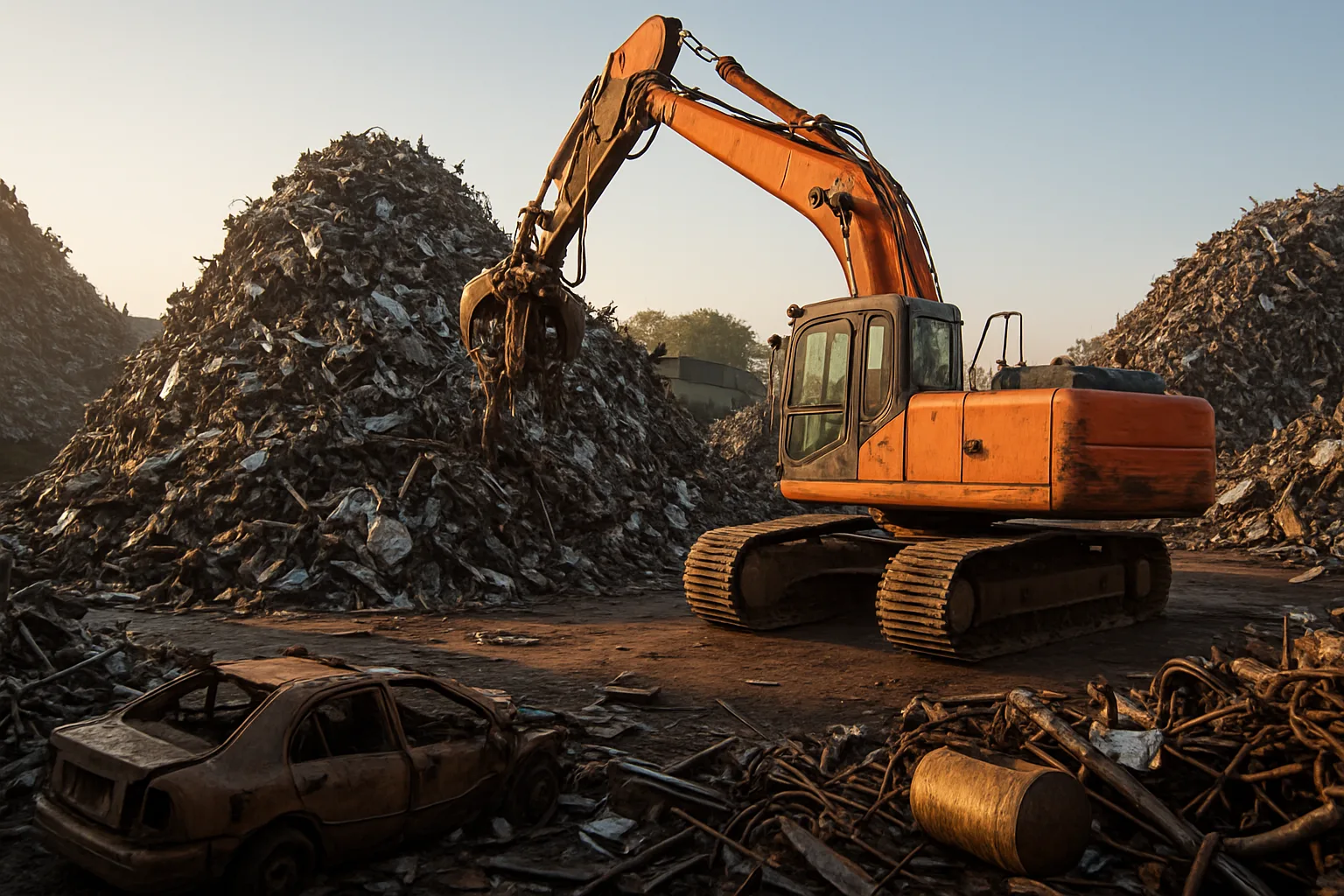
Most people selling a junk car expect way more — or way less — than their vehicle is actually worth. If you're trying to sell scrap car Cambridge, knowing what drives the price before you make a single call puts you in a much stronger position. This guide cuts through the guesswork.
Your car isn't just a rusting eyesore in the driveway. It's steel, aluminum, copper wiring, a catalytic converter, and potentially usable parts. Each of those has a market value — and that value shifts constantly based on commodity prices, buyer demand, and what's actually left of the vehicle.
Let's break down what your scrap car is actually worth, and how to make sure you're not leaving money on the table.
---What Actually Determines Your Scrap Car's Value
The number one factor is weight. Scrap cars are priced by the ton for ferrous metal — the steel that makes up most of your vehicle's body, frame, and structural components. A full-size truck or SUV is going to yield more raw scrap than a compact sedan, simply because there's more material to work with.
But weight alone doesn't tell the full story. Here are the factors that move the needle on your final payout:
- Vehicle weight: Heavier vehicles typically bring more money on a per-ton basis. A full-size pickup can weigh 4,000–6,000 lbs. A compact car might come in at 2,500–3,000 lbs.
- Catalytic converter: Cats contain platinum, palladium, and rhodium — precious metals that trade independently from steel. A working or intact cat can add significant value to your load.
- Non-ferrous metals: Aluminum wheels, copper wiring, and radiators all have value above standard steel scrap rates. free scrap car pickup across Canada from GetMyScrapCar accounts for these components in the quote process.
- Condition and completeness: A car with all its parts — engine, transmission, wheels — is worth more than a stripped shell. Buyers want complete vehicles when possible.
- Current commodity prices: Steel and non-ferrous metal prices fluctuate weekly. A swing in steel futures directly affects what scrappers will pay you at the gate.
- Your location: Buyers in high-density markets like Cambridge and the broader Ontario corridor tend to be more competitive. More buyers means better price discovery.
No two cars are identical, and no two quotes are either. That's why it pays to understand the variables before you accept the first offer you get.
---Junk Car Prices Per Ton — What the Numbers Look Like in 2026
Scrap steel prices in Canada in 2026 have remained volatile, influenced by global demand from steel mills, North American infrastructure spending, and recycled content mandates picking up steam across the continent. Without pinning down a specific number — because these change week to week — most end-of-life vehicles in Ontario are generating quotes in the range of a few hundred dollars to over a thousand, depending on the factors above.
Here's a rough framework to calibrate your expectations:
- Compact sedan (2,500–3,000 lbs): Lower end of the range. Lighter steel, smaller cat, less non-ferrous material.
- Mid-size SUV or minivan (3,500–4,500 lbs): Mid-range. More steel, often better cat value.
- Full-size pickup or large SUV (5,000–6,500 lbs): Upper end. Maximum steel yield, larger catalytic converter, more aluminum.
- Commercial van or work truck: Can exceed standard ranges, especially if complete with all drivetrain components.
Disclaimer: Scrap metal prices fluctuate constantly. The ranges above are general estimates only. Always check current rates and get a live quote before making any decisions.
One thing that's changed in 2026 is how buyers are sourcing vehicles. Platforms like SMASH — Canada's B2B scrap recycling marketplace — have brought auction-style competition to scrap purchasing. That means sellers and intermediaries working through proper channels are seeing more competitive offers than the old "one call, one price" model ever delivered. Competition can help reveal the market. More buyers means better price discovery.
---Free Scrap Car Pickup in Cambridge — What to Expect From the Process
If you're in the Cambridge area looking to offload a junk vehicle, the logistics are simpler than most people expect. You don't need a running car. You don't need a clear driveway. In most cases, you don't pay a dime for the tow.
Here's how a standard free scrap car pickup Cambridge transaction typically unfolds:
- Get a quote. Provide the year, make, model, approximate weight, and condition. Mention whether the catalytic converter is present — this matters more than most people realize.
- Confirm the pickup. A licensed tow truck or flatbed is dispatched. Most pickups in the Cambridge area happen within 24–72 hours of booking.
- Sign over the ownership. You'll need your vehicle permit (ownership documents) and valid ID. In Ontario, the title transfer must be completed properly — don't skip this step or you could remain liable for the vehicle.
- Get paid. Payment is typically made at the time of pickup or within a short window after. Confirm the payment method upfront — cash, e-transfer, or cheque depending on the buyer.
The process is designed to be fast. Most Cambridge residents selling through reputable services like Cambridge scrap metal services complete the entire transaction in under a week from first contact to final payment.
One thing to flag: always deal with licensed auto recyclers. Ontario has regulations governing end-of-life vehicle disposal, including how fluids are handled and how parts are tracked. Working with a compliant buyer protects you legally and ensures the car gets processed responsibly.
---Why the "One Buyer, One Price" Model Costs You Money
Here's the problem most people run into when they decide to sell scrap car in Ontario: they call one buyer, get one number, and take it. There's nothing to compare it to, so it's impossible to know if it's fair.
That's exactly the model that's been disrupted by platforms like SMASH. The SMASH approach — vetted buyers, competitive bidding, documented inventory — is built for the commercial side of the scrap market. But the principle applies whether you're moving a single car or a full yard's worth of material: when buyers compete, the seller wins.
Even for individual vehicle sellers, this dynamic matters. Services that work within a broader buyer network — rather than relying on a single local contact — are more likely to present you with a price that reflects actual market demand. That's not marketing language. That's just how price discovery works.
If you're selling multiple vehicles, running a small fleet, or clearing an estate with several junk cars, getting connected to a platform that creates real competition is worth exploring. No subscription fees, no locked-in contracts. SMASH only wins when the seller wins.
---Documents You Need to Sell a Scrap Car in Ontario
Don't get caught off guard on pickup day. Having the right paperwork ready speeds up the transaction and protects you from any future liability tied to the vehicle.
In Ontario, you'll typically need:
- Vehicle permit (ownership): The green slip that proves you own the car. If you've lost it, contact ServiceOntario to request a replacement before booking pickup.
- Valid government-issued ID: Driver's licence or passport. The name on the ownership must match.
- Lien-free title: If there's an outstanding loan on the vehicle, resolve it before transfer. Buyers won't accept a vehicle with an active lien.
- Plate removal: Remove your licence plates before the tow truck arrives. In Ontario, plates belong to the registered owner, not the vehicle. Return them to ServiceOntario or transfer them to another vehicle.
Missing any of these can delay or cancel your pickup entirely. Get them organized ahead of time and the whole process moves faster for everyone involved. When you're ready, schedule your free scrap car removal and have your documents on hand.
---Getting the Best Price: Practical Tips Before You Call
A few straightforward moves can meaningfully affect the number you walk away with. None of these require mechanical knowledge or industry connections — just a bit of preparation.
- Don't strip the car. Unless you know what you're doing, removing parts can actually reduce your quote. Buyers want complete vehicles. A missing cat or stripped engine bay lowers the offer immediately.
- Note the VIN. Buyers may want to confirm the vehicle's history, especially for parts recovery. Having the VIN ready speeds up the quote process.
- Take photos. Document the car's condition — body, engine bay, interior, undercarriage. Buyers with photo documentation can quote faster and with more confidence.
- Get more than one quote. This is the simplest way to make sure you're not undervaluing your vehicle. A second or third quote takes 10 minutes and can make a real difference.
- Ask about the cat specifically. If your catalytic converter is present and intact, make sure the buyer is accounting for it. Don't assume it's factored in unless you ask directly.
For more practical guides on navigating the scrap car process, read more junk car removal guides from the GetMyScrapCar resource hub.
If you're in Cambridge or anywhere across Ontario and you're done wasting time with a car that doesn't run, doesn't pass safety, or just isn't worth fixing — get a quote, confirm the pickup, and let someone come to you. GetMyScrapCar handles the logistics. You handle cashing out.
---Frequently Asked Questions
Q: How much will I get for my scrap car in Cambridge?
The amount depends on your vehicle's weight, condition, whether the catalytic converter is present, and current steel prices. In Ontario, most end-of-life vehicles generate quotes ranging from a few hundred to over a thousand dollars CAD. Get a live quote for an accurate number — market prices shift frequently.
Q: Is free scrap car pickup actually free in Cambridge?
Yes. Reputable scrap car services in Cambridge offer free towing as part of the transaction — the tow cost is built into the buyer's operating model. You should never have to pay for pickup when selling a complete vehicle to a licensed buyer.
Q: Do I need my ownership documents to sell my junk car in Ontario?
Yes. Ontario requires a valid vehicle permit (ownership) and matching ID to complete a title transfer. If you've lost your ownership, contact ServiceOntario to get a replacement before booking your pickup.
Q: What happens to my car after it's picked up?
Licensed auto recyclers in Ontario drain all fluids first, then assess the vehicle for usable parts. Salvageable components are catalogued and resold. The remaining shell is crushed and processed as scrap steel, which re-enters the manufacturing supply chain.
Q: Why should I sell my scrap car through a platform like SMASH instead of calling one buyer?
Calling a single buyer gives you a single number with no competition. Platforms like SMASH connect sellers to vetted buyers in a competitive format, which means better price transparency and more accurate market value. More buyers means better price discovery — that's not a slogan, it's how markets work.
---If your car is done and you're ready to move on, the process doesn't have to be complicated. Get a free quote, book a pickup time that works for you, and let a licensed crew handle the rest. Free scrap car pickup across Canada from GetMyScrapCar — no subscription, no runaround, no lowball take-it-or-leave-it offers.
Stay current on scrap metal market trends and industry updates by following SMASH on LinkedIn — practical insights for anyone moving metal in North America.