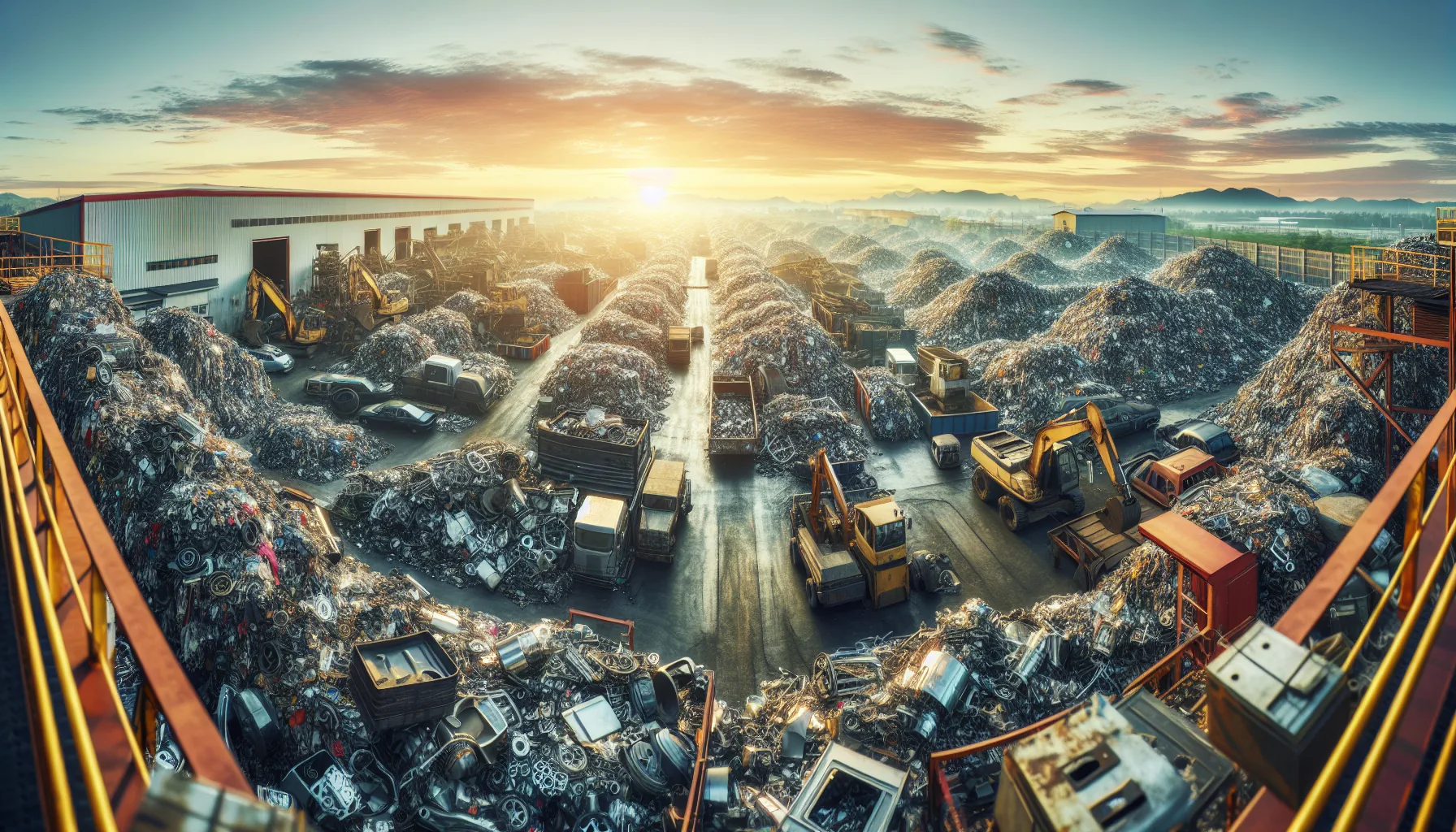
The Hidden World of Auto Recycling: Where Your Junk Car Goes After Pickup
Ever wonder what happens to your old Honda Civic after those junk car buyers near me Burnaby haul it away? The journey from your driveway to complete recycling is more complex and fascinating than most vehicle owners realize. In 2026, Canadian auto recyclers process over 1.8 million end-of-life vehicles annually, turning automotive waste into valuable resources through sophisticated recycling operations.
When you search for "junk car buyers near me" in Burnaby or anywhere across British Columbia, you're connecting with the first link in a massive recycling chain. Your seemingly worthless vehicle contains approximately 2,400 pounds of recyclable steel, 300 pounds of aluminum, and dozens of other valuable materials that will soon find new life in everything from construction materials to new vehicles.
Understanding this process helps you make informed decisions about cash for cars Burnaby services and appreciate the environmental impact of proper vehicle disposal. Let's dive into what really happens at auto recycling facilities after your car leaves your property.
Initial Vehicle Processing and Documentation
The moment your vehicle arrives at an auto recycler, it undergoes immediate assessment and documentation. Trained technicians photograph the vehicle, record its VIN, and update provincial databases to officially remove it from active registration. This step is crucial for preventing future liability issues and ensuring proper chain of custody.
Canadian auto recyclers must comply with strict environmental regulations in 2026, particularly regarding fluid removal and hazardous material handling. Your vehicle's fluids — engine oil, transmission fluid, coolant, brake fluid, and power steering fluid — are the first items extracted. Modern facilities use specialized equipment to capture and separate these fluids for proper recycling or disposal.
The initial processing also includes removing the vehicle's battery, tires, and any remaining personal items. Professional recyclers maintain detailed inventory systems to track every component throughout the recycling process. This documentation is essential for both regulatory compliance and maximizing recovery value through platforms like SMASH, which connects recyclers with buyers across Canada.
Weight verification occurs during this stage as well. The recycler confirms the vehicle's actual weight, which directly impacts the final payout calculation. Heavier vehicles containing more steel and aluminum command higher prices in the current scrap metal market.
Hazardous Material Removal and Environmental Safety
Before any dismantling begins, certified technicians systematically remove all hazardous materials from your vehicle. This process goes far beyond simple fluid extraction and represents one of the most critical phases in auto recycling.
Air conditioning refrigerant requires specialized recovery equipment to prevent environmental damage. R-134a and newer R-1234yf refrigerants must be captured and either recycled or properly disposed of according to federal environmental standards. Mercury-containing components, though less common in newer vehicles, still appear in some light switches and ABS systems from older cars.
Modern vehicles contain numerous electronic components with potentially hazardous materials. Navigation systems, entertainment units, and engine control modules all require careful handling. The airbag systems present particular challenges — unexploded airbags must be safely deployed or removed by certified technicians to prevent workplace injuries.
Fuel removal happens through specialized pumping systems that can handle both gasoline and diesel. Usable fuel often gets sold to secondary markets, while contaminated fuel requires proper disposal. The fuel tank itself undergoes cleaning before being processed as scrap metal.
Canadian facilities operating in British Columbia must maintain detailed records of all hazardous material removal for provincial environmental audits. These strict protocols ensure that when you sell scrap car in British Columbia, you're contributing to environmentally responsible recycling practices.
Parts Salvage and Inventory Management
Once hazardous materials are safely removed, the real treasure hunting begins. Experienced dismantlers evaluate every component for potential resale value. This process requires extensive knowledge of automotive systems and current market demand for used parts.
High-value components get immediate attention. Engines in running condition, transmissions, catalytic converters, and electronic control units can command significant prices in the used parts market. Even non-functional engines have value for their rebuildable cores and aluminum content.
Body panels, doors, hoods, and bumpers undergo condition assessment. Parts with minimal damage get cleaned, photographed, and added to inventory systems. Many recyclers now use sophisticated software to track parts availability and connect with automotive repair shops across Canada seeking specific components.
Interior components like seats, dashboard assemblies, and trim pieces also have resale potential. The leather and fabric upholstery gets evaluated for condition, while electronic components like radios and climate controls are tested for functionality. Even seemingly minor items like cup holders and door handles can generate revenue when sourced by repair facilities.
The efficiency of this salvage operation directly impacts the final payment vehicle owners receive. Facilities that excel at parts recovery can offer higher payouts because they maximize revenue from each vehicle. Platforms like SMASH help optimize this process by connecting recyclers with the best markets for both parts and scrap materials.
Metal Recovery and Material Separation
After valuable parts are removed, your vehicle enters the metal recovery phase. This is where the bulk of the recycling magic happens, transforming your car's body and frame into raw materials for new manufacturing.
The vehicle body goes through systematic dismantling to separate different metal types. Steel makes up roughly 65% of most vehicles and commands steady pricing in the scrap market. Aluminum components — including wheels, engine blocks, and body panels — receive special attention due to aluminum's higher per-pound value and infinite recyclability.
Copper wiring gets carefully extracted from throughout the vehicle. The extensive wiring harnesses in modern cars contain significant copper weight, and current market conditions in 2026 make copper recovery particularly valuable. Even small amounts of copper wiring can add meaningful value to the overall recycling process.
Advanced facilities use magnetic separation systems to automatically sort ferrous metals from non-ferrous materials. These sophisticated systems can process vehicle remains quickly while maintaining high separation accuracy. The separated materials get weighed, categorized, and prepared for sale to steel mills and aluminum smelters.
Some recyclers employ scrap metal auction platform technology to maximize revenue from their recovered materials. These platforms connect recyclers with the highest-paying buyers across North America, ensuring optimal pricing for both common and specialty metals.
Vehicle Shredding and Final Processing
The remaining vehicle shell — called automotive shredder residue (ASR) after parts and fluid removal — enters industrial shredding equipment. These massive machines can process entire vehicle bodies in minutes, reducing them to fist-sized metal fragments.
Modern auto shredders are engineering marvels capable of handling multiple vehicles simultaneously. The shredding process creates a mixed stream of metal fragments, plastic pieces, glass, and other materials that require additional separation. High-powered magnets remove ferrous metals, while eddy current separators extract aluminum and other non-ferrous metals.
The non-metallic portions of shredded vehicles present ongoing challenges for the recycling industry. Plastics, rubber, glass, and foam materials make up roughly 25% of a vehicle's total weight. Advanced facilities are increasingly investing in technologies to recover value from these materials rather than sending them to landfills.
Some recyclers now partner with specialized processors who can convert automotive plastics into new products. Dashboard plastics become park benches, while bumper materials find new life in construction applications. These innovations help Canadian auto recyclers achieve higher overall recovery rates while reducing environmental impact.
The final metal products from shredding get loaded into shipping containers or rail cars for transport to steel mills and foundries. Your former vehicle's steel may eventually become rebar for construction projects, new automotive components, or appliances. The circular economy ensures that today's junk car becomes tomorrow's useful products.
Quality Control and Environmental Compliance
Throughout the entire recycling process, quality control measures ensure both product standards and environmental compliance. Canadian auto recyclers face regular inspections from provincial environmental agencies and must maintain detailed documentation of their operations.
Material quality testing happens at multiple stages. Recovered metals get analyzed for contamination levels and alloy composition to meet buyer specifications. Parts destined for resale undergo functionality testing to ensure they meet safety standards for automotive applications.
Environmental monitoring extends beyond the facility walls. Groundwater testing, air quality measurements, and waste stream analysis help recyclers maintain their operating permits and protect surrounding communities. These comprehensive environmental programs represent significant operational investments but ensure sustainable business practices.
When you work with reputable free scrap car pickup across Canada from GetMyScrapCar, you're connecting with facilities that prioritize both environmental responsibility and operational excellence. These facilities contribute to Canada's circular economy while providing fair compensation for end-of-life vehicles.
The recycling industry continues evolving with new technologies and market demands. Electric vehicle recycling presents new challenges and opportunities as these vehicles become more common in Canadian markets. Battery recovery and rare earth element extraction will become increasingly important aspects of auto recycling operations.
Understanding this complex process helps vehicle owners appreciate the value in their end-of-life cars. Even vehicles that seem completely worthless contain hundreds of dollars worth of recoverable materials. Professional recyclers invest in sophisticated equipment and processes to maximize recovery while minimizing environmental impact.
Whether you're researching cash for cars services in Burnaby or exploring options to get competitive bids for your scrap in Canada, knowing what happens after pickup helps you make informed decisions. The auto recycling industry plays a crucial role in Canada's resource recovery efforts while providing convenient solutions for vehicle owners.
Ready to turn your old vehicle into cash while supporting environmental sustainability? Schedule your free scrap car removal and connect with professional recyclers who maximize both your payout and environmental benefits. For more insights into the junk car removal process, read more junk car removal guides covering everything from preparation tips to market pricing updates.
Frequently Asked Questions
Q: How long does the complete recycling process take after my car is picked up?
The entire recycling process typically takes 2-4 weeks from pickup to final material sale. Initial processing and parts removal happen within the first few days, while metal recovery and final processing depend on facility capacity and market timing.
Q: Do junk car buyers near me in Burnaby follow the same recycling process?
Yes, licensed auto recyclers across Burnaby and British Columbia follow similar processes due to provincial environmental regulations. All certified facilities must remove hazardous materials, document vehicle processing, and meet environmental compliance standards regardless of their specific location.
Q: What percentage of my vehicle actually gets recycled versus thrown away?
Modern auto recycling facilities typically achieve 80-85% recovery rates by weight. Metals make up the majority of recovered materials, while advances in plastic and rubber recycling continue improving overall recovery percentages. Only about 15-20% of vehicle materials currently require landfill disposal.
Q: Can I track what happens to my specific vehicle after it's picked up?
Most recyclers provide initial processing confirmation and documentation for legal purposes, but detailed tracking of individual vehicle components isn't typically available to original owners. The materials from your vehicle become part of larger commodity streams destined for various end markets.
Q: Do electric vehicles go through the same recycling process?
Electric vehicles require specialized handling for their battery systems and high-voltage components, but otherwise follow similar recycling processes. The batteries undergo separate recycling procedures to recover lithium, cobalt, and other valuable materials, while the vehicle body and conventional components process normally.
Get a free quote for your scrap car in Canada — schedule free pickup at getmyscrapcar.ca and contribute to Canada's circular economy while earning cash for your end-of-life vehicle.
Follow SMASH on LinkedIn for the latest industry updates and scrap metal market insights affecting auto recycling across Canada.